

“Out beyond ideas of wrongdoing and right-doing
there is a field. I’ll meet you there.
When the soul lies down in that grass,
the world is too full to talk about.”
–- Rumi
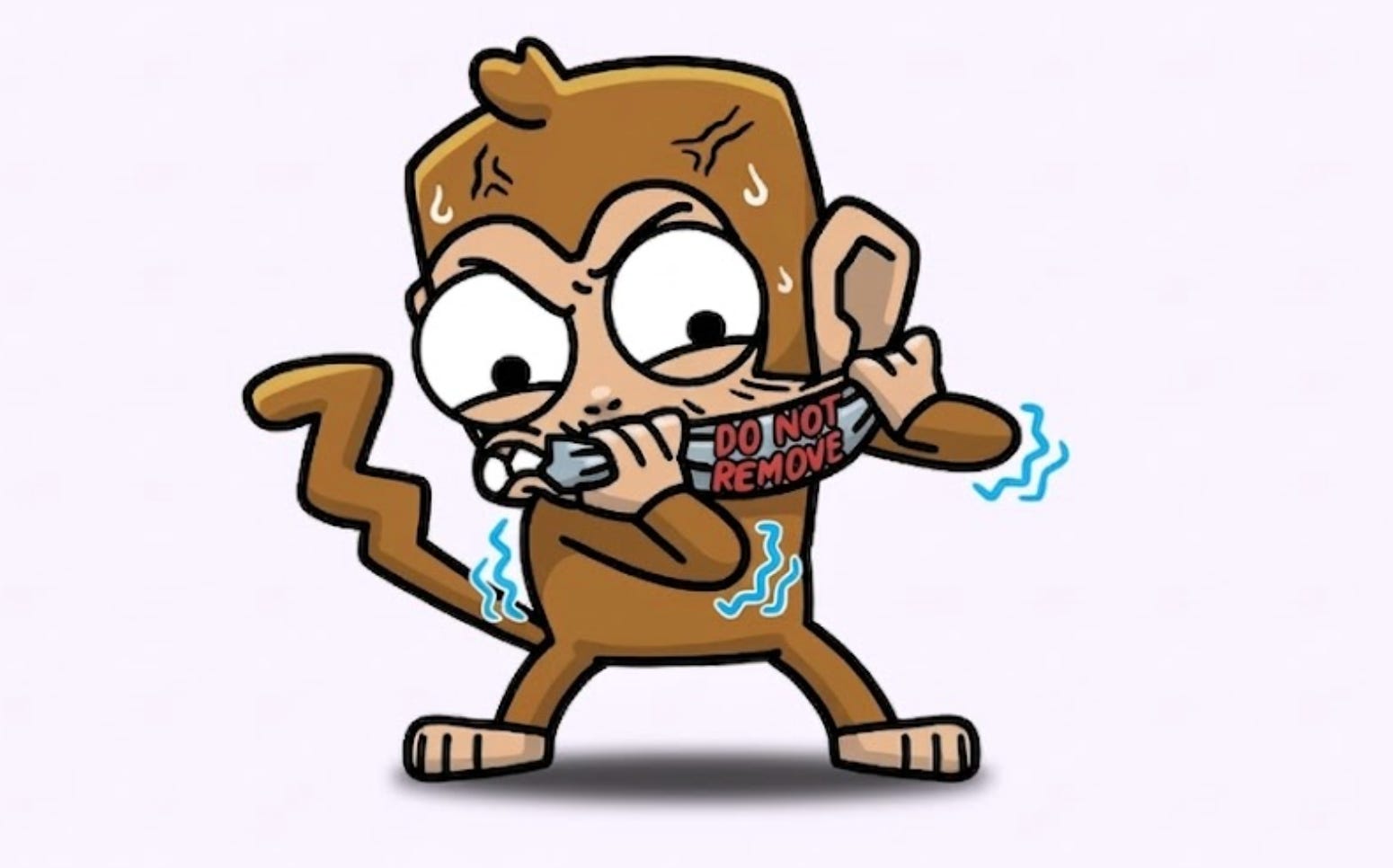
Can we shut the f*ck up for a minute?
I think the answer for most people is literally and figuratively NO.
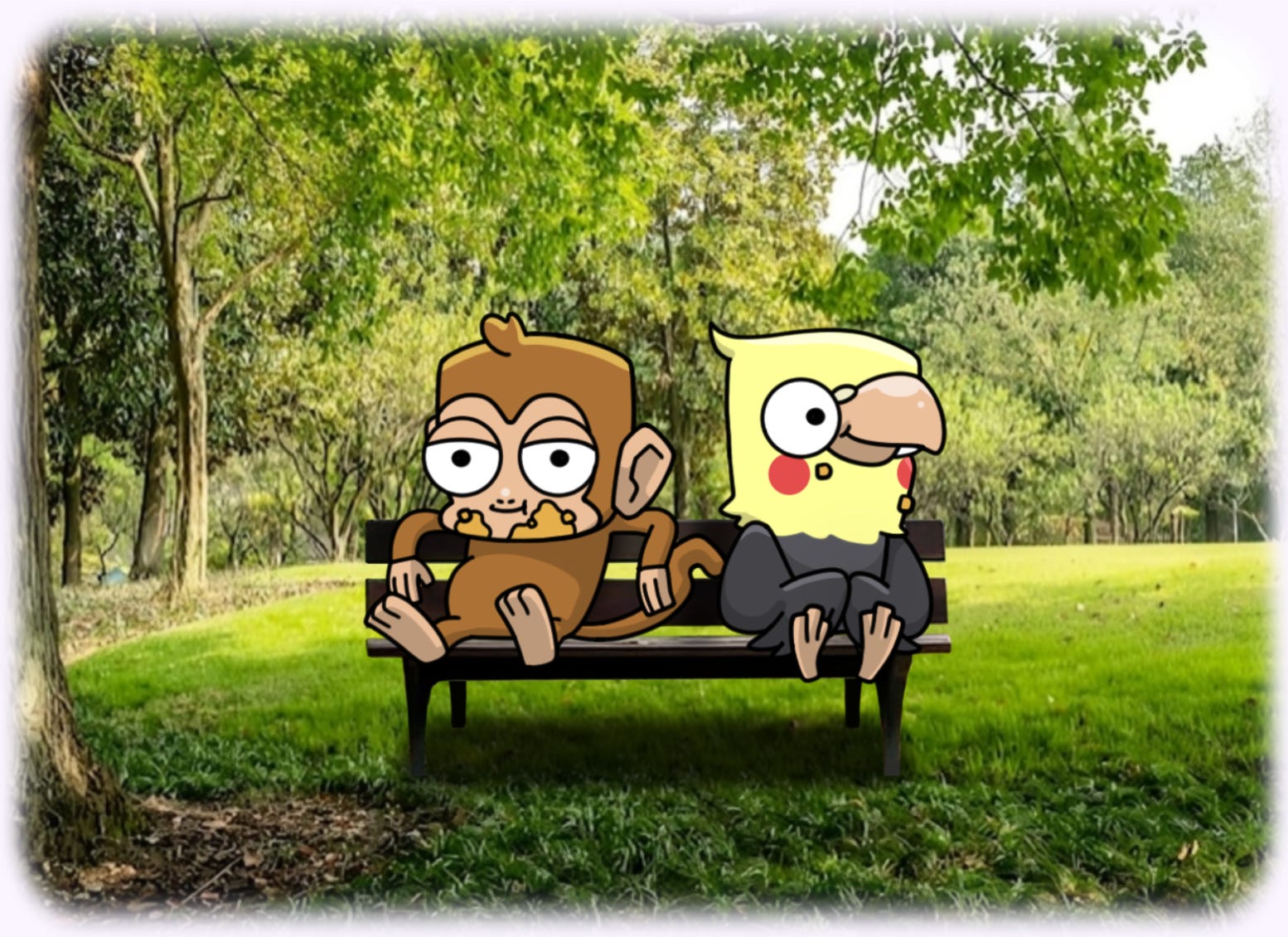
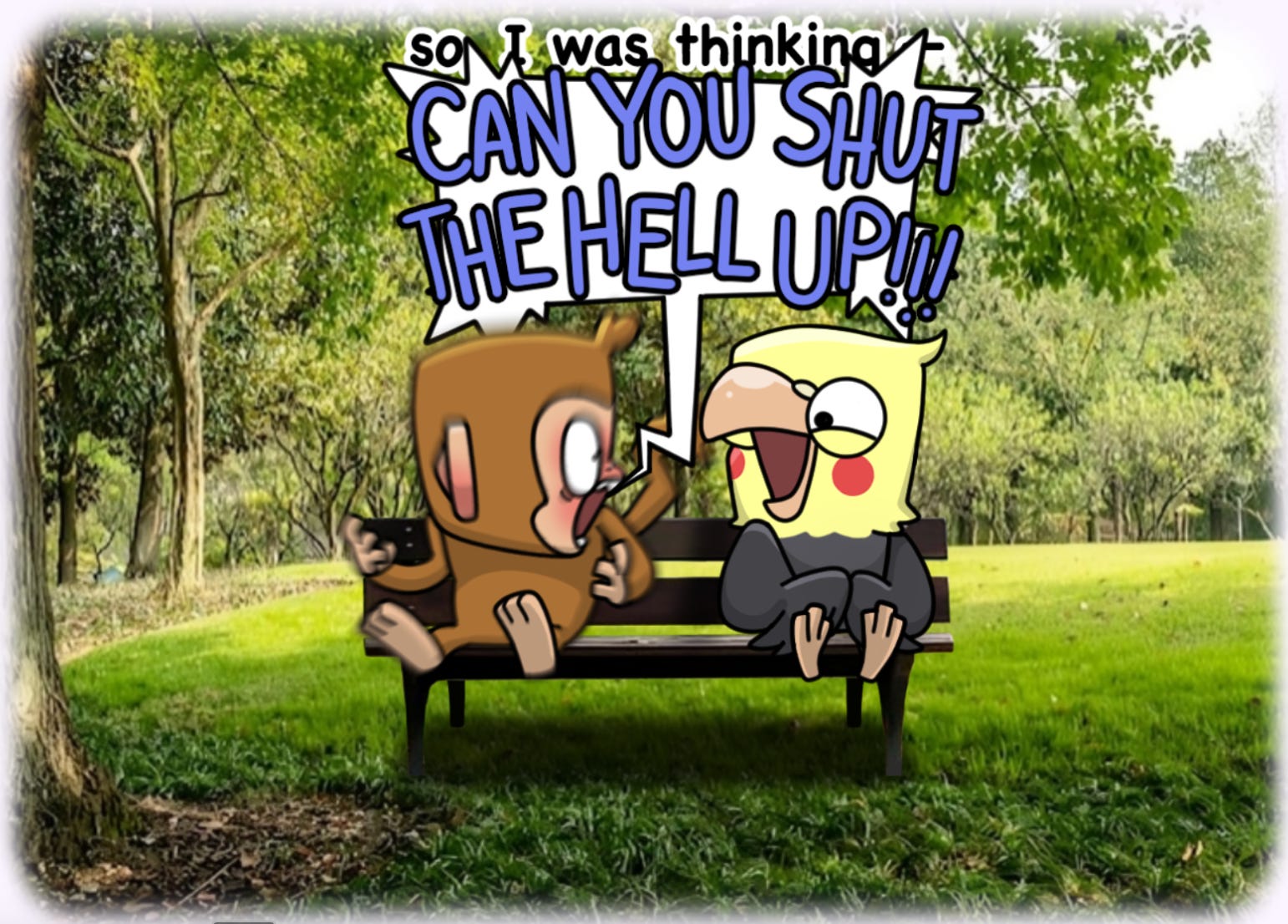
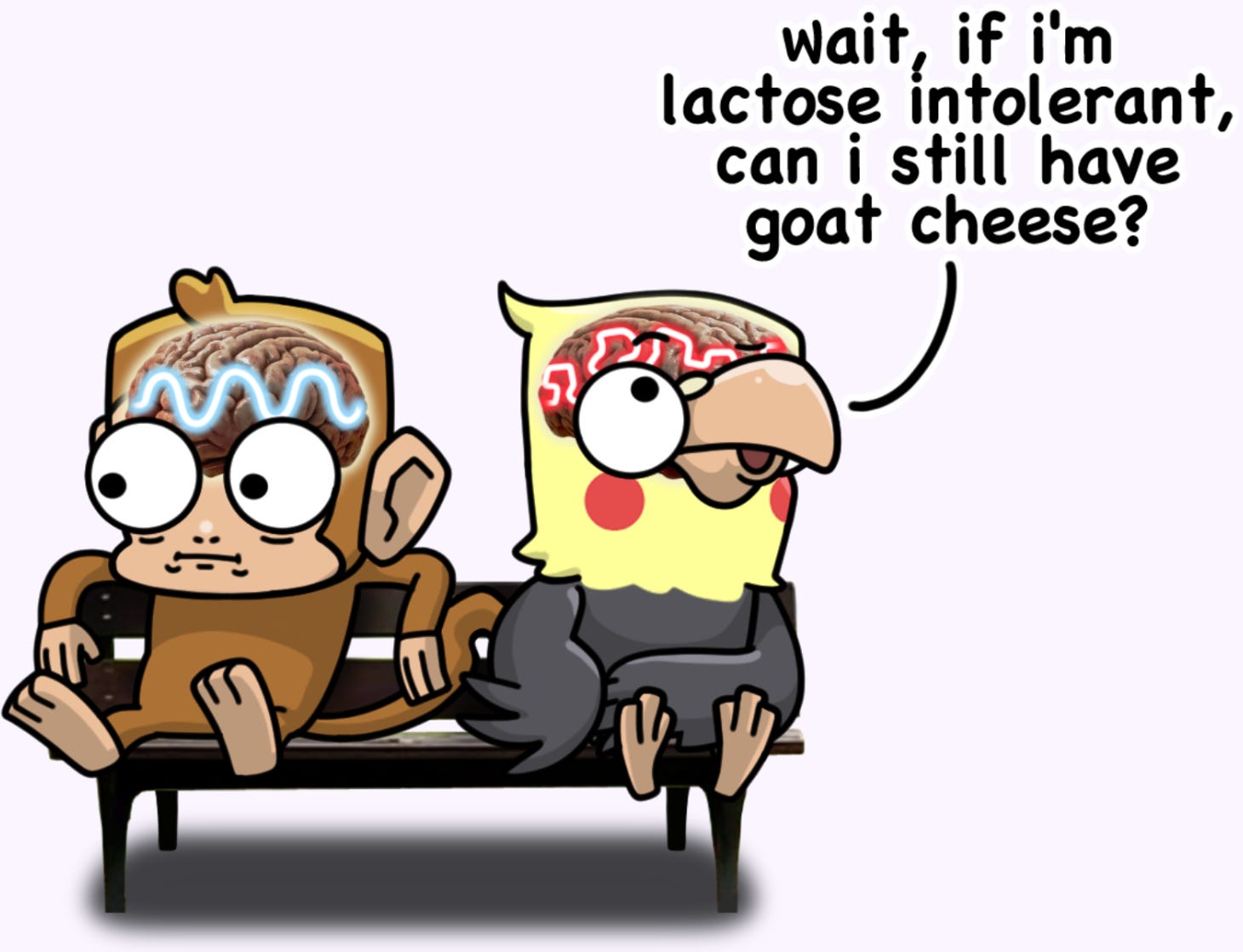
I was sitting in the park last week with one of my good buddies.
The conversation took its usual structure: him talking, me listening.
I’ve always preferred it this way.
What he was talking about, only god knows. Girls. Sports. Work. Stocks. Music. More girls. I tried to follow along, but my mind had other plans. I realized that every time my friend finished a thought, he would immediately launch into something new.
So I started playing a game.
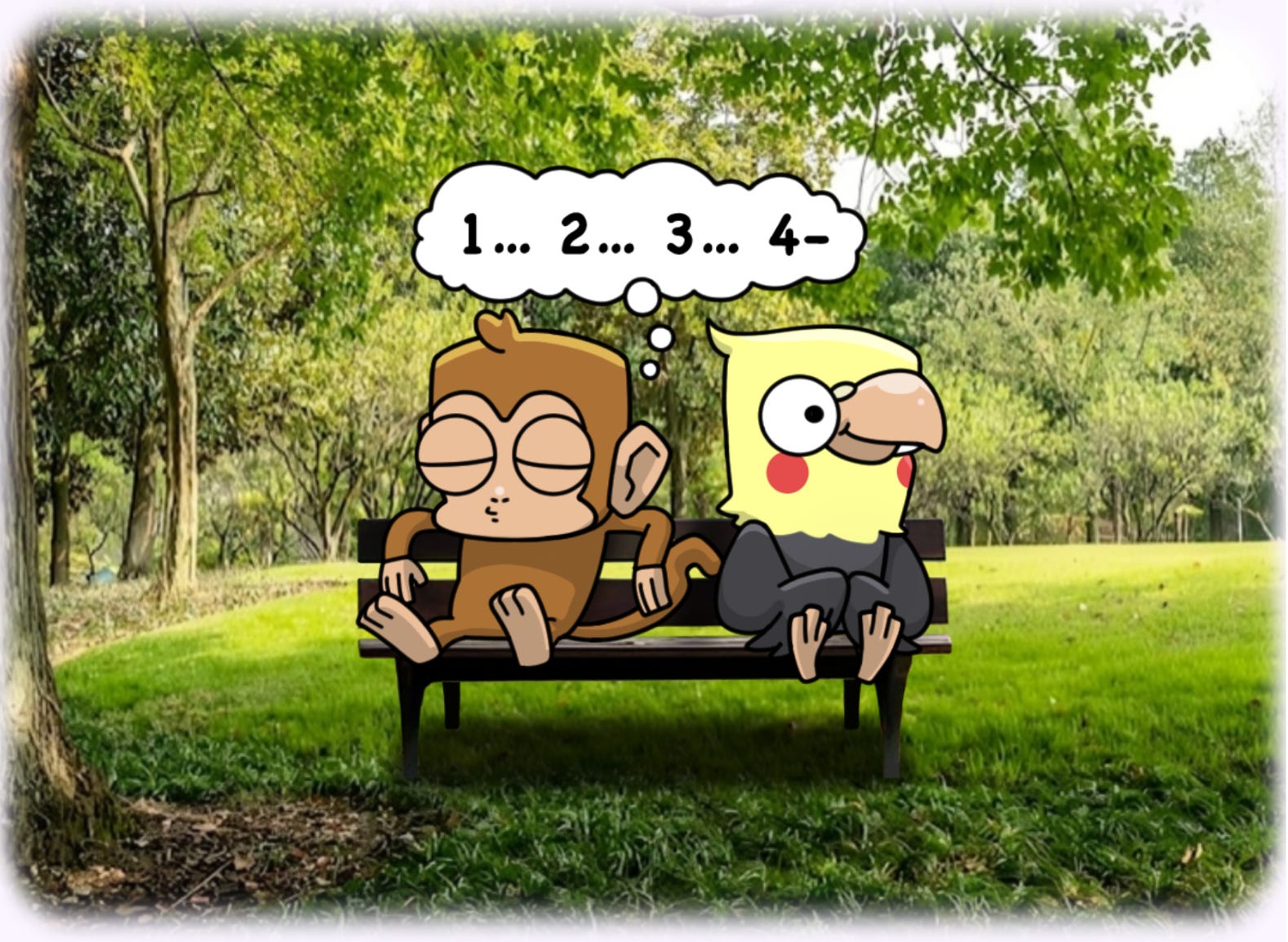
Every time he stopped talking, I’d count the number of seconds before he started talking again.
Talk. 1… 2… 3… Talk… 1… 2… Talk…
His record period of silence?
Four seconds.
FOUR.
SECONDS.
And no, he was not actively on drugs (I think).
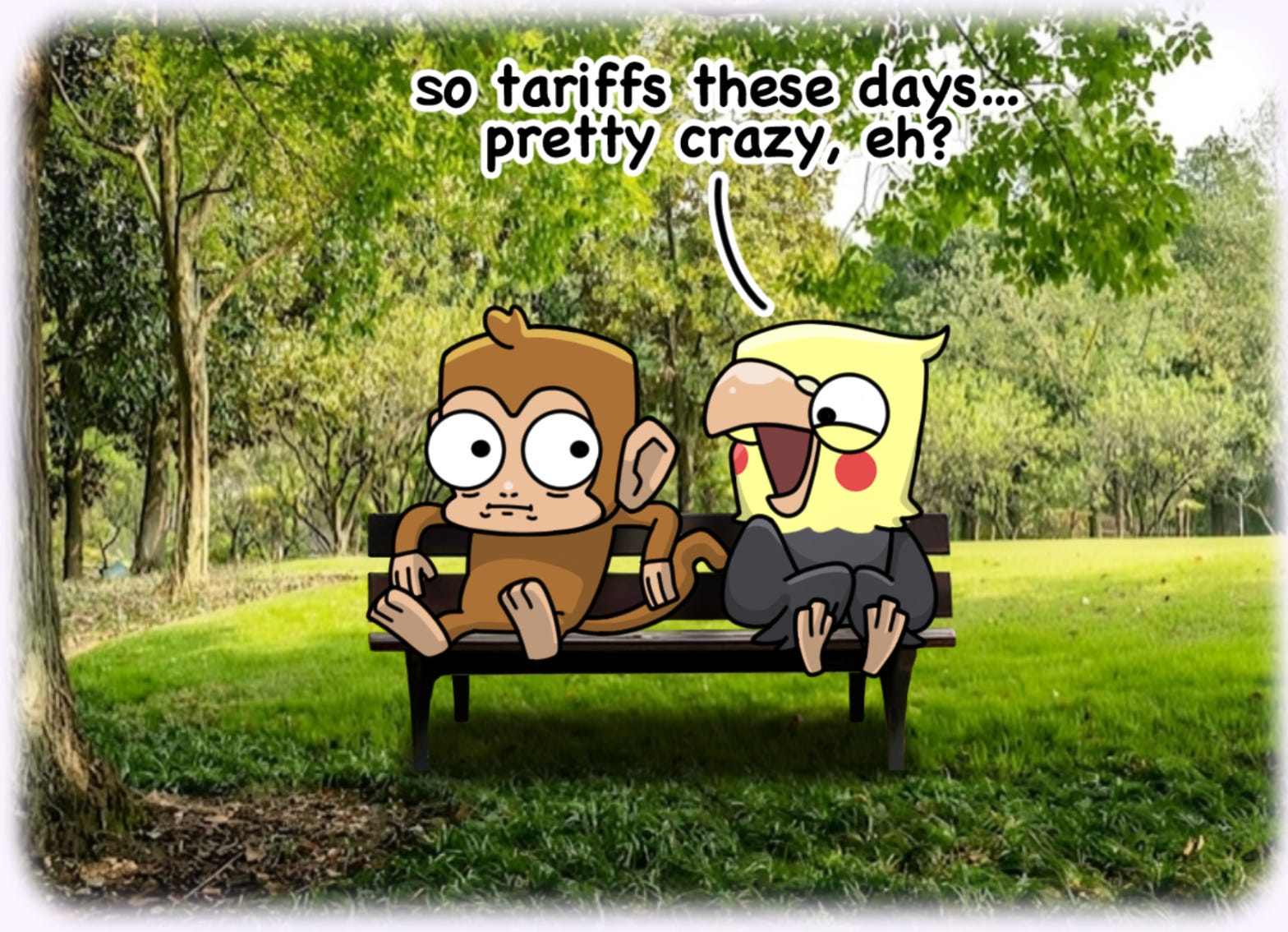
You probably know this person.
We all do.
The one who always has something to say—or better put, never has nothing to say.
Some of you might be thinking, “oh sh*t… I think I am this person.”
There’s nothing wrong with this type of person. I love hanging out with people who give me a good excuse to listen rather than to speak.
But there was something about this interaction that felt off.
It wasn’t the what of the conversation—I couldn’t tell you a single thing he said. It was the how. He wasn’t really talking to me. He was talking to himself out loud while I happened to be nearby.
And honestly, I was equally to blame, sitting there silently, distracted, doing nothing.
Two people, same bench, completely separate worlds.
This conversation wouldn’t have hit me so hard if I hadn’t experienced the complete opposite feeling a few months earlier.
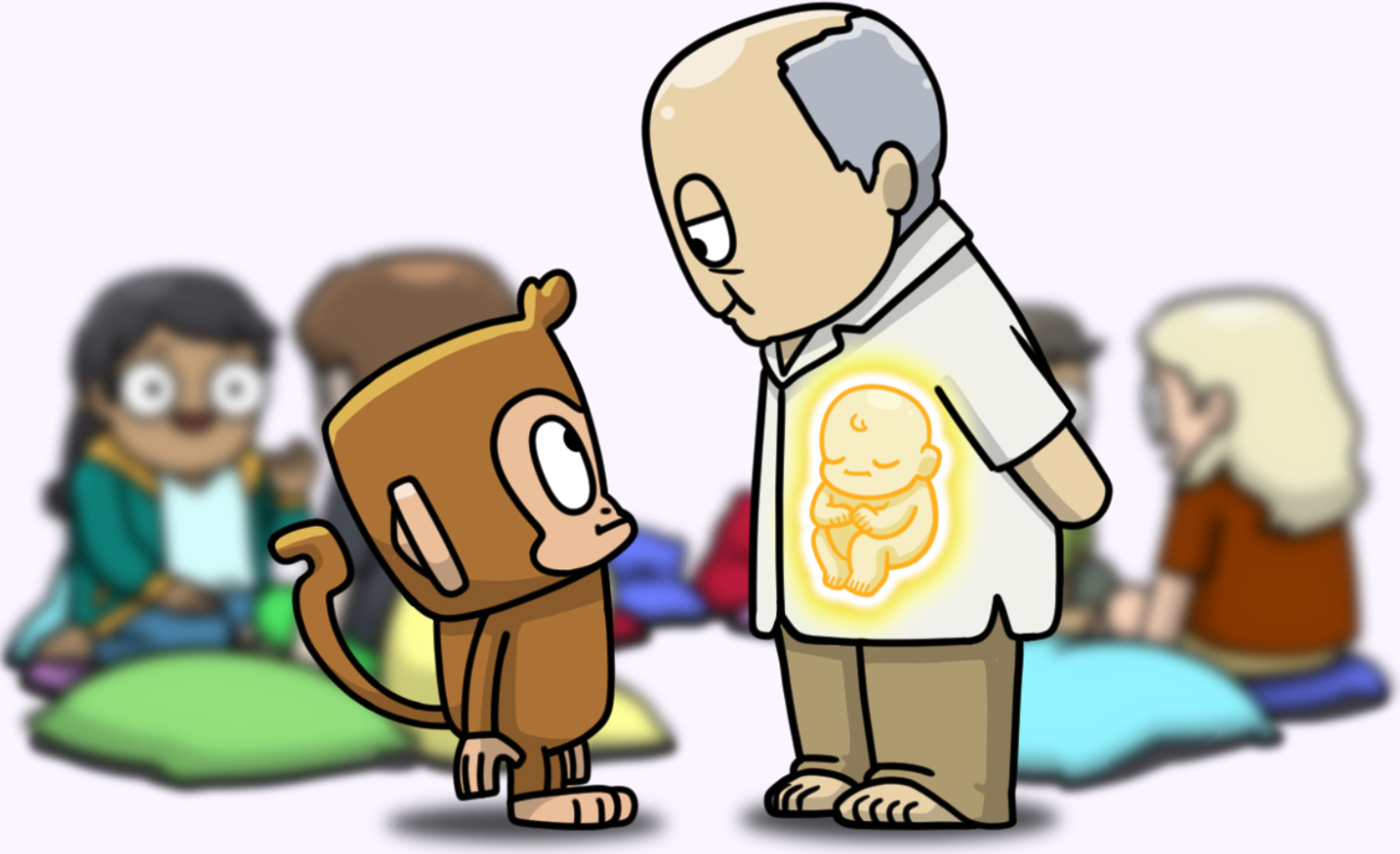
I was at a meditation retreat (cue: boringgggg), and they had us do this exercise where you walk around the room, partner up with a stranger, and then stare into each other’s eyes for two full minutes while imagining them as their little-kid selves.
The idea was: if you imagine someone as the little kid they used to be, a kid with pure intentions and a pure heart, you’ll be able to view them with more compassion and understanding.
At first, the silence felt like pressure. I nearly burst out laughing, it was so uncomfortable. But then something shifted. Without words, without speaking, something opened up between us. An energy field.
A presence.
I don’t quite know how to describe it. My heart cracked open a little.
I know, I know. “So thissss is what happens on meditation retreats.”
But stay with me for a few more minutes.
The exercise on its own is actually quite profound—look at someone in your life, especially someone difficult, and picture their inner child: a kid with scars, with trauma, trying their best with what they’ve got.
But what really broke my brain was the contrast. The fact that a random stranger and I had just shared something deeper than 99% of my regular conversations with family and friends, despite not saying a word to one another.
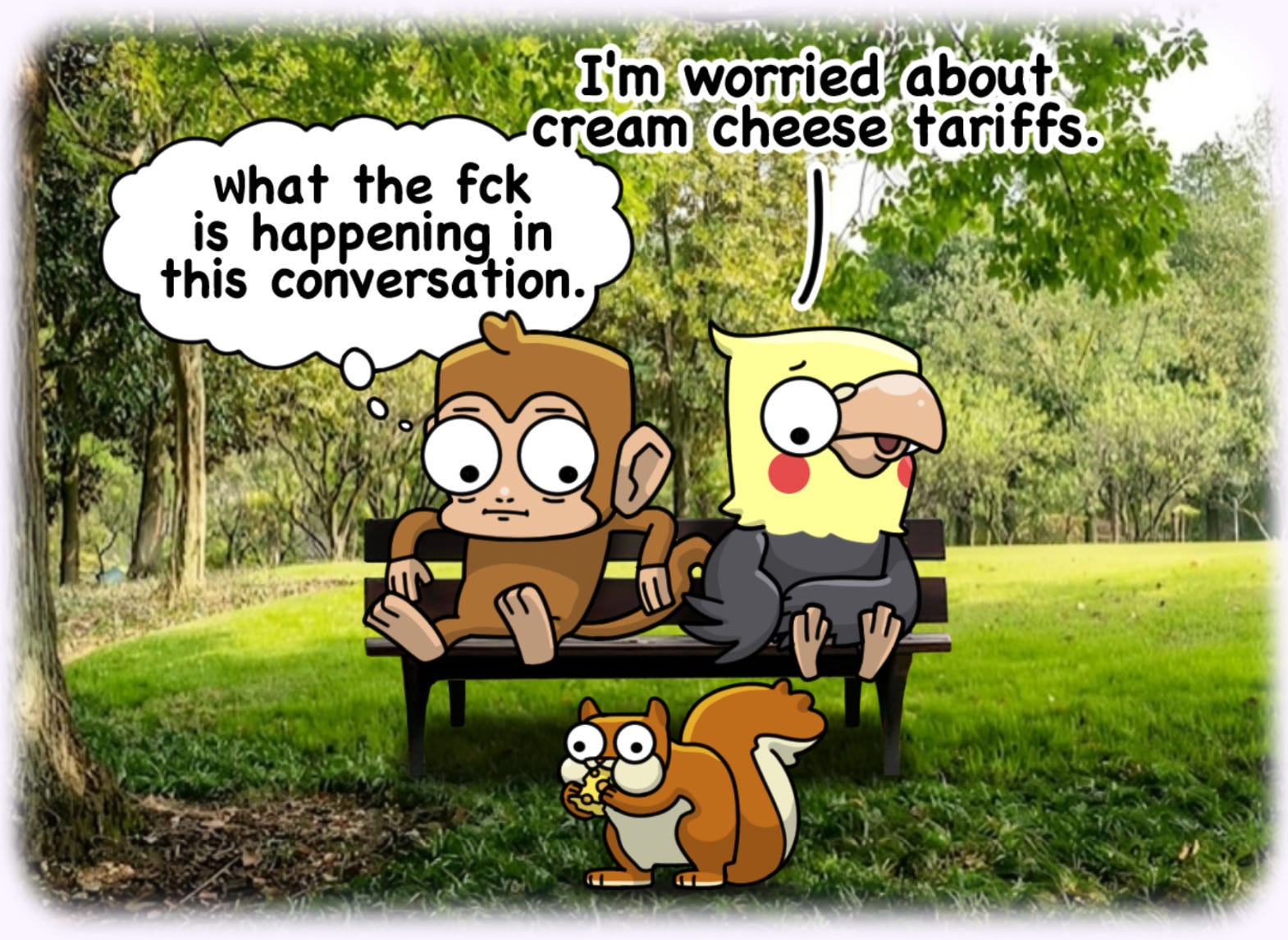
What the hell was happening here? And why did two minutes of silence make me feel something more profound than 15 minutes of talking listening to a friend? And what might we be missing by stuffing every empty space with chatter?”
It was time to get curious.
Stupidly curious.
I began my exploration where many stupid, curious wanderers begin these days: Claude.
I started with the simple question: “Why do we talk so much when we don’t need to?”, to which Claude spat out a wall of text that felt weirdly personal towards the end…
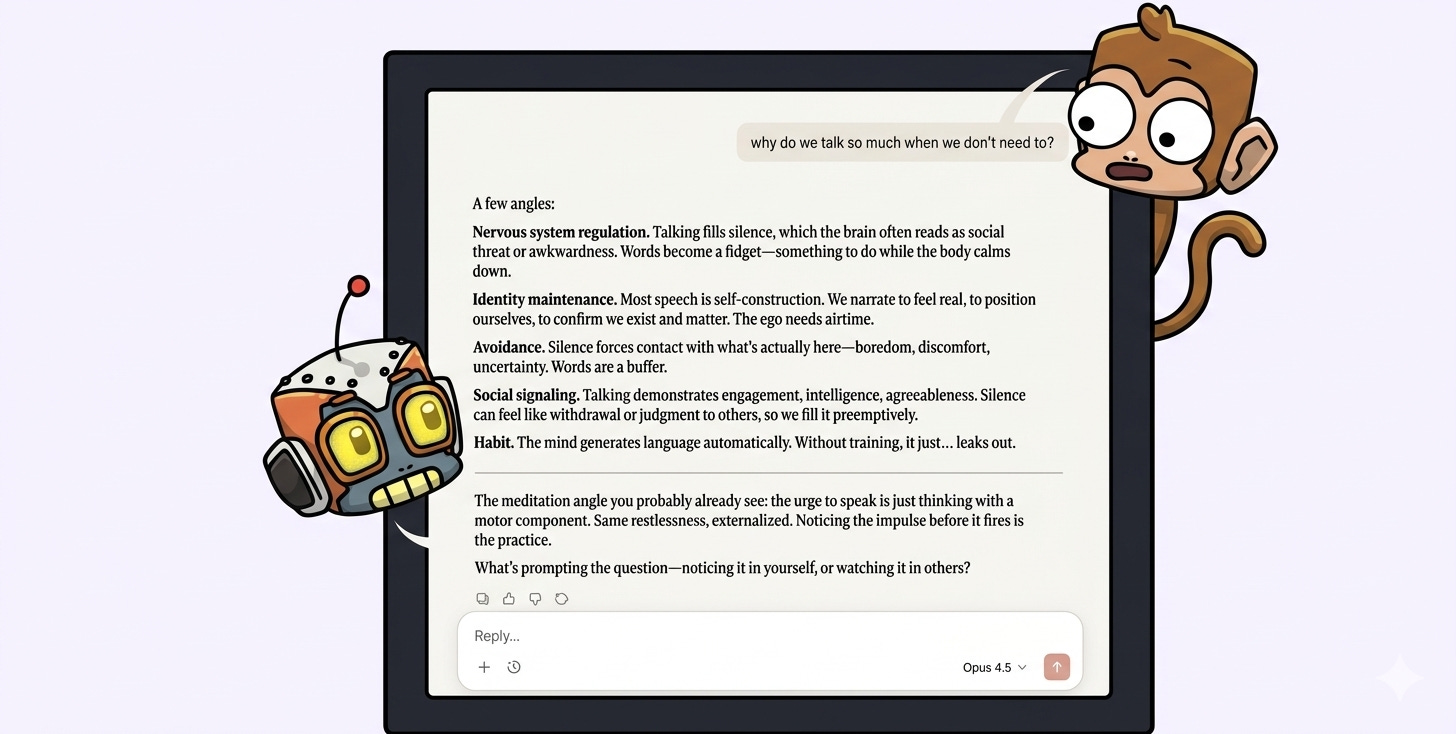
And after 20 minutes of talking back and forth with Claude (ironic, I know), I stumbled onto a framework that clicked.
So there’s this guy Iain McGilchrist.
British neuroscientist, psychiatrist, literary scholar. Studied the brain for a few decades.
Also looks like Ricky Gervais if he aged 15 years and got a PhD:
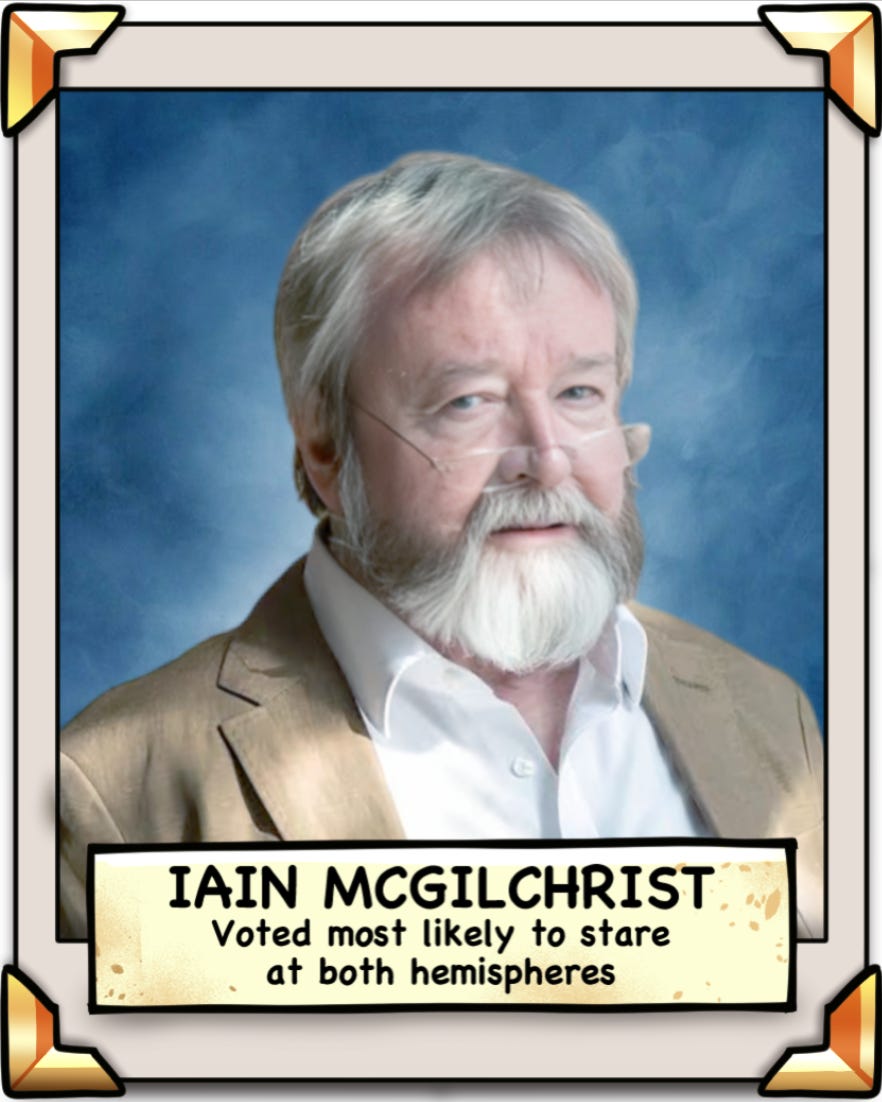
I liked him immediately for two reasons:
Glasses (see: scholarly aura).
Rocking the gray beard well into his 70s (see: even more aura)
Let’s call him Prof McG, like the scholarly philosopher version of Prof G.
So Prof McG studied the brain to see how it shapes the way we see the world around us.
And no, it’s not that Psych 101 oversimplification where left brain = logic, right brain = creativity. Prof McG hates that.
*Fair warning: his ideas are respected but controversial. Some neuroscientists think he overstates the case, while others think he’s onto something important. I’ll let you decide.*
Prof McG’s argument: the right and left brain hemispheres have fundamentally different ways of seeing reality.
Before the neuroscience nerds come for me: yes, both hemispheres are constantly working together. Is what I’m about to say perfect 1:1 mapping? Of course not.
Brains are messy. You’re never purely ‘in’ one or the other.
OK, now let’s get into it.
The left hemisphere operates like a narrow laser beam.
It asks: “What is this? What do I call it? How do I use it?” It zooms in on details, labels everything, and categorizes. It turns raw experience into words and concepts.
Let’s call this mode “The Grabber.”
The grabber looks something like this:
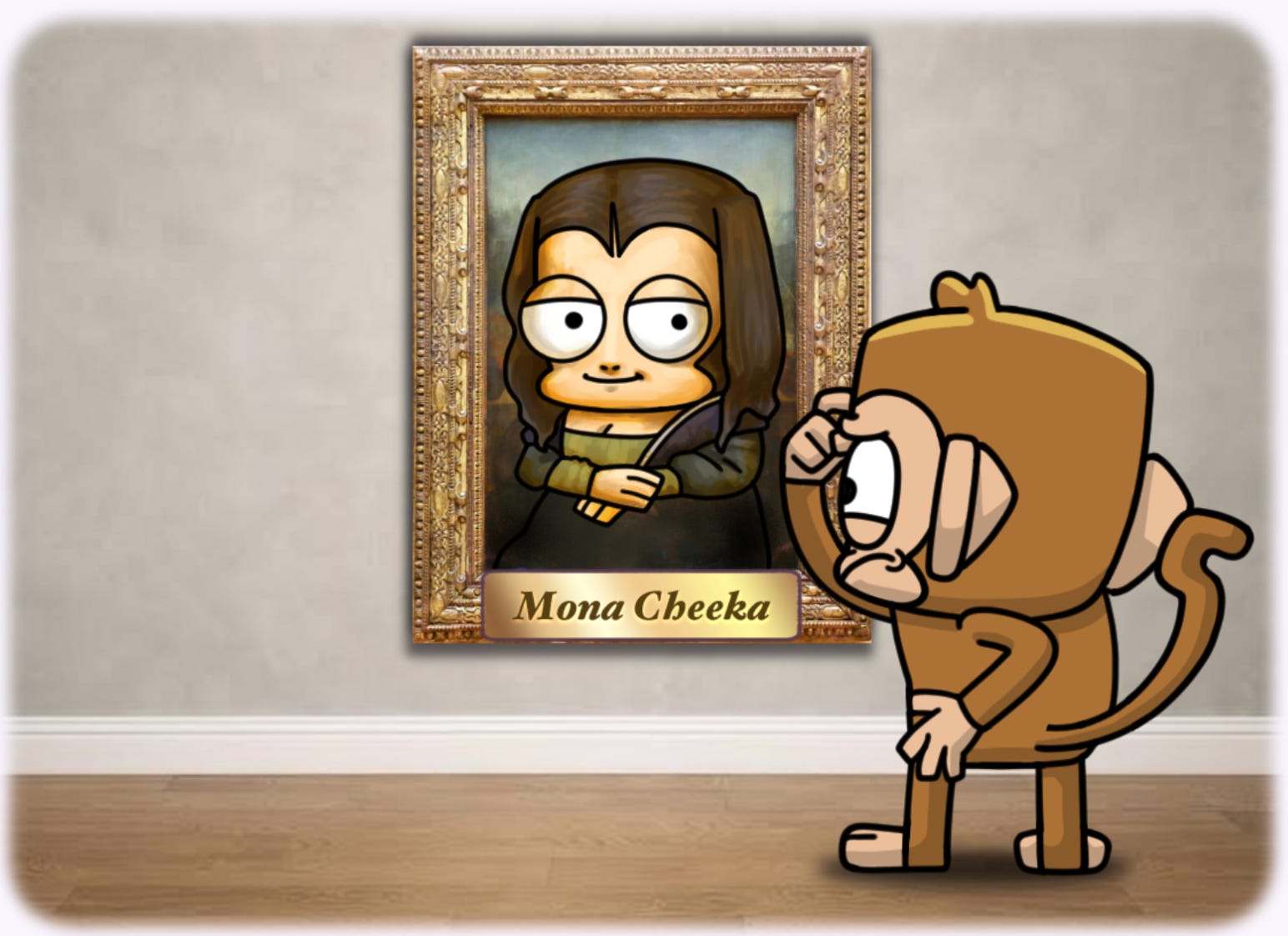
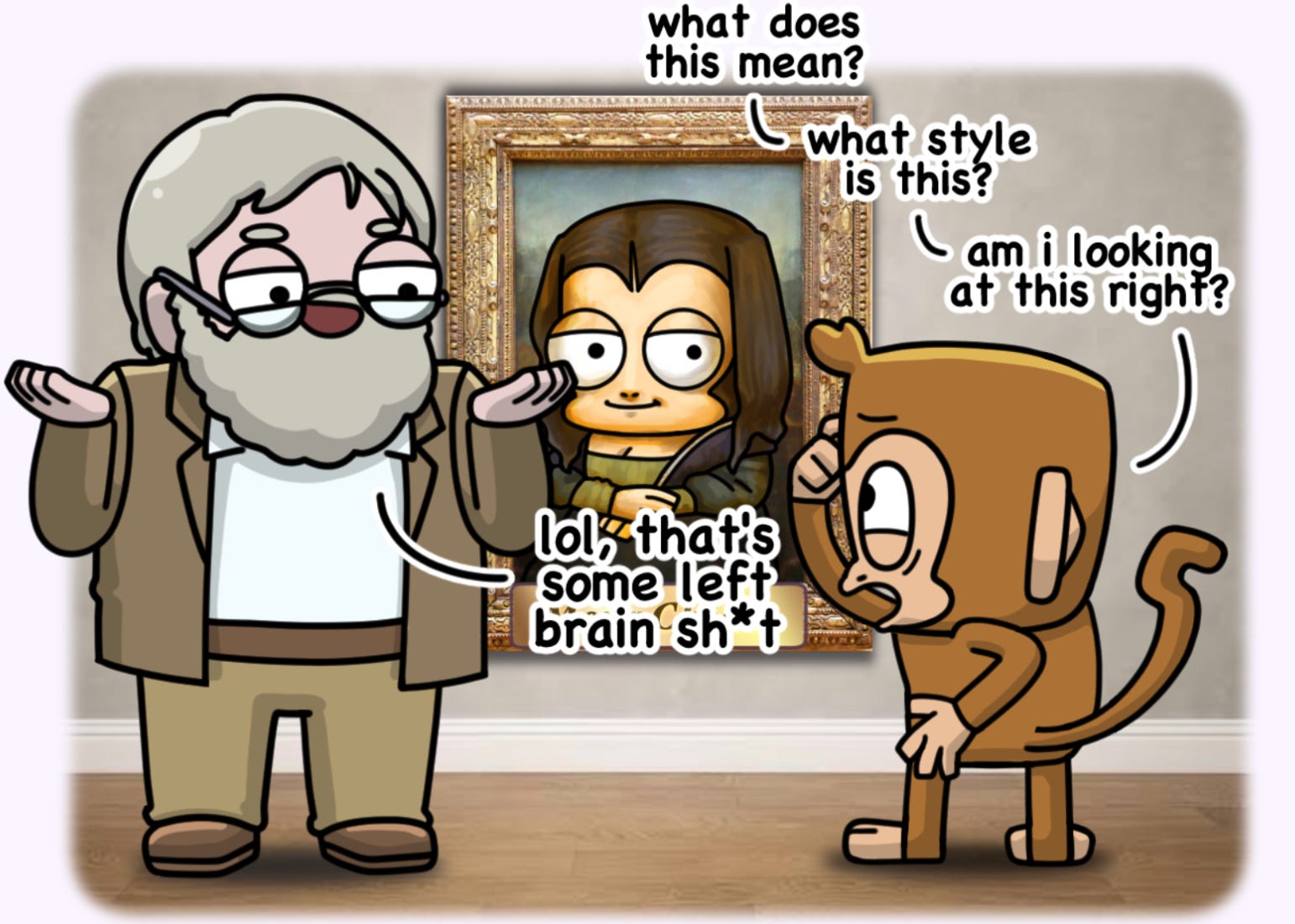
Look familiar?
The part of your brain that’s constantly meaning-making. Constantly labeling and turning life into a story about… life.
The right hemisphere is more like 0.5x zoom on your camera.
It asks: “What’s actually here? What’s the whole picture?” It takes in the full scene—context, relationships, the space between things. It doesn’t need to name something to know it. It’s intuitive.
Let’s call this mode “The Receiver.”
The receiver looks something like this:
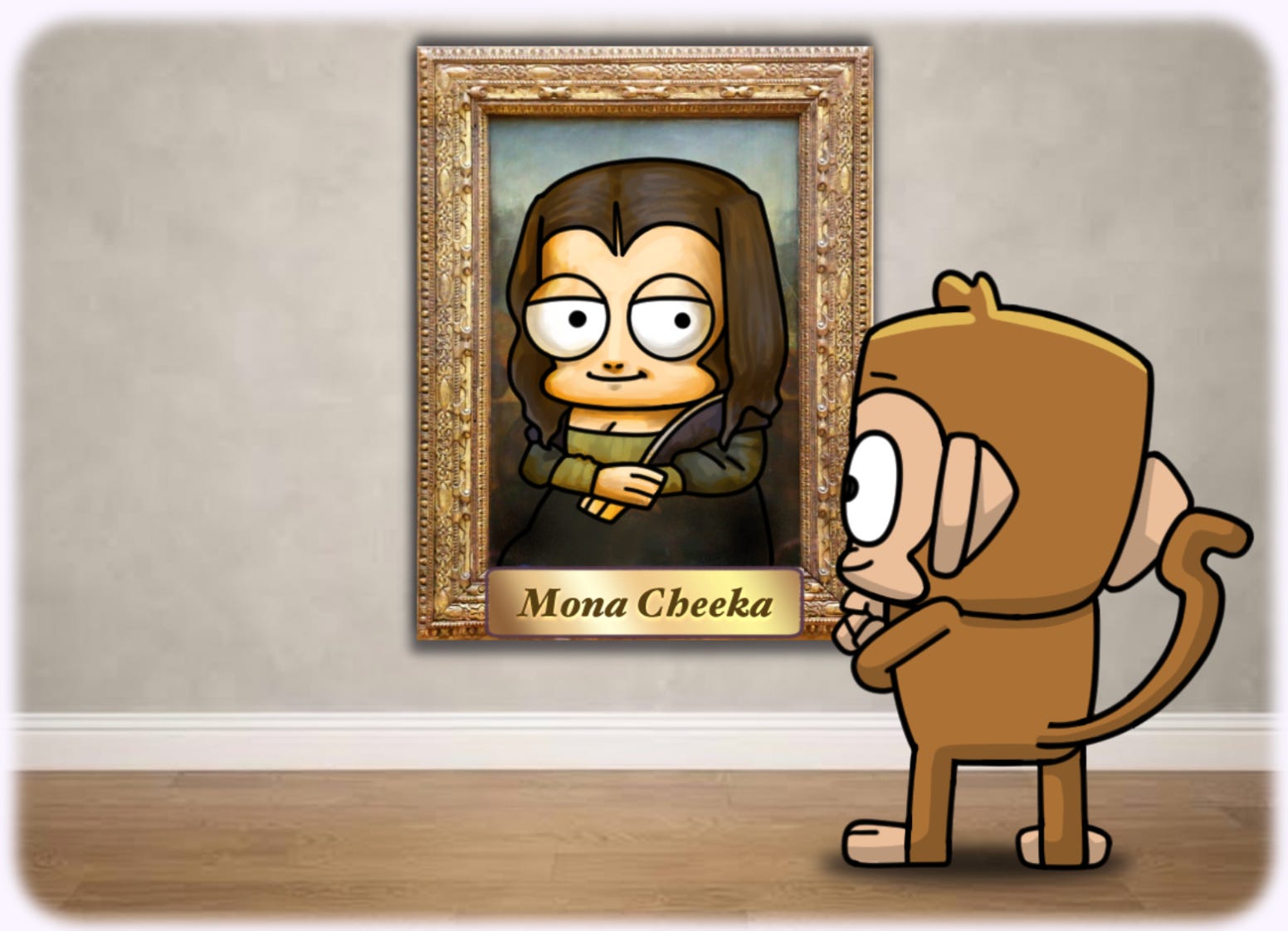
No story about the art... just feeling it... just intuition... just vibes.
Left hemisphere = where language lives. You represent reality through symbols and create models for the world.
Right hemisphere = where knowing and experience live. It takes in the whole field and knows without needing to articulate in words.
If this is turning you on intellectually like it did for me, I highly recommend this 12-minute animation where Prof McG explains “The Divided Brain”:
So we have these two modes: the Grabber and the Receiver.
And both of these modes are essential, evolutionarily speaking.
Like, picture our hunter-gatherer ancestors foraging for berries. (Is this what hunter-gatherers did? No clue. Imagine it anyway.)
They needed a narrow focus to spot a blueberry and grab it—LEFT HEMISPHERE.
And they needed broad awareness to scan for predators—RIGHT HEMISPHERE.
Miss the berry, you go hungry. Miss the tiger, you’re lunch.
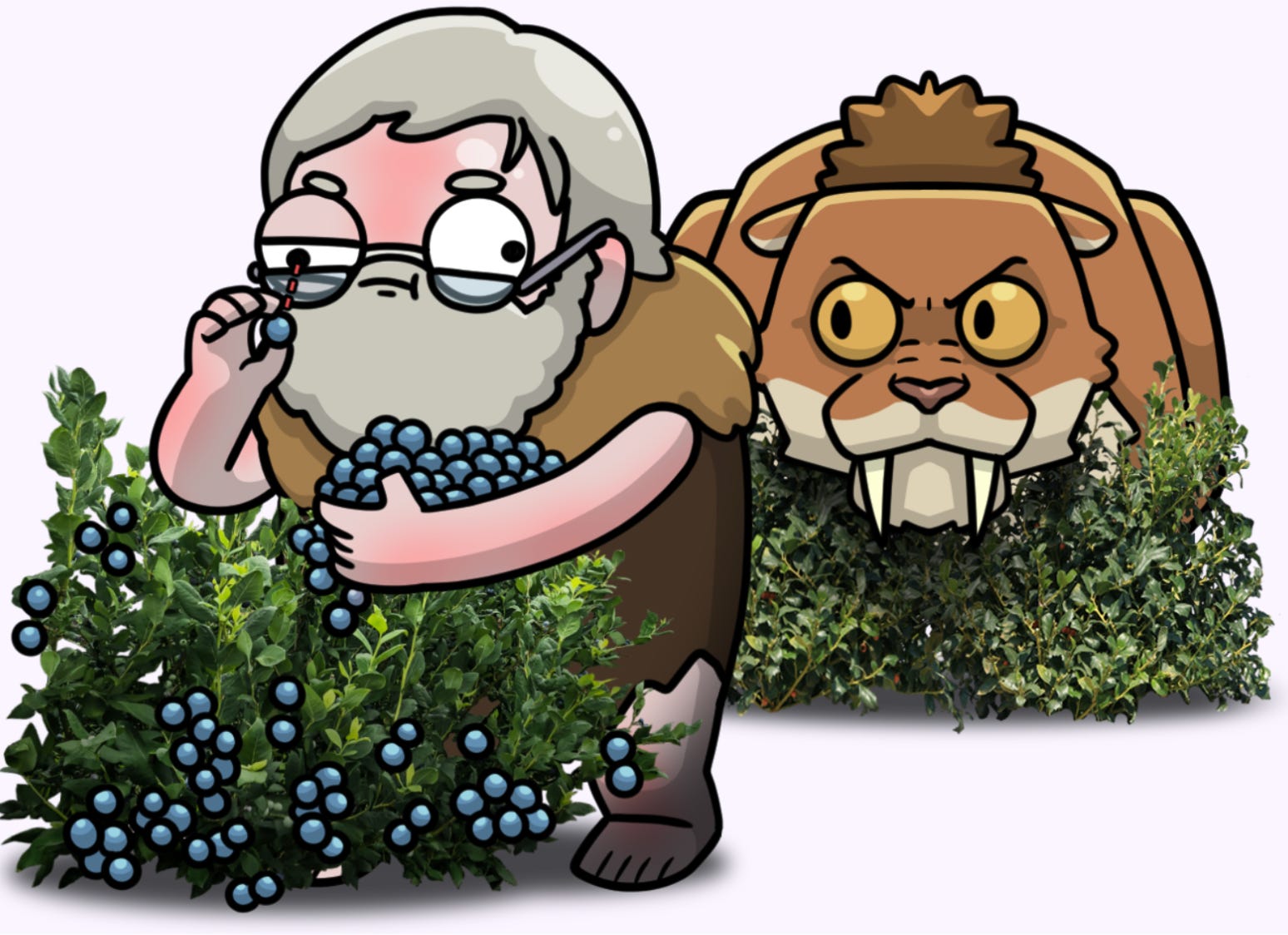
In 2026, most of us only forage blueberries in Trader Joe’s, but we still need both parts.
So why did I just bore you with a neuroscience lesson? And how does this relate to talking vs. silence?
OKAY OKAY…
Back to my friend, who, after this article gets published, may never speak to me again.
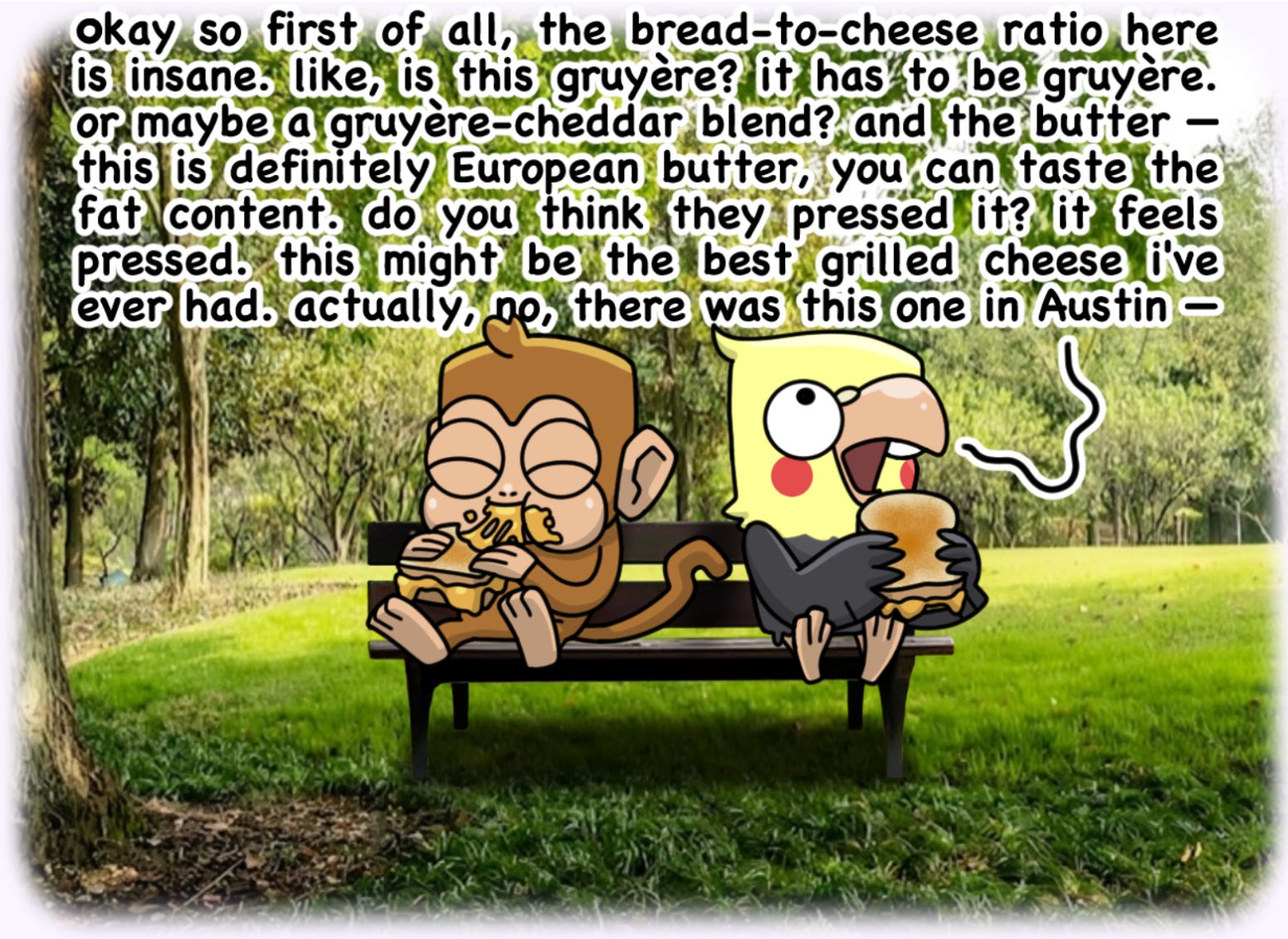
My four-second friend is not uniquely annoying or cheese-obsessed. Prof McG would just say that he’s stuck in Grabber mode.
To the grabber, silence feels like:
Nothing happening
Empty space
Something to fix
So instead, the Grabber talks. It finds something to label and process. It finds something to make meaning out of, like bread-to-cheese ratios.
But here’s the thing: it’s not his fault that he always feels compelled to talk.
Not really.
Because history picked a side, according to Prof McG.
Turns out, The Grabber was really good at certain things for our ancestors.
Tools. Language. Planning. Building systems.
AKA getting sh*t done.
And those things won.
Civilizations that grabbed, labeled, and systematized outcompeted the ones that didn’t. The tribes that could name things, plan, and coordinate through language survived. The ones vibing in Receiver mode while a sabertooth approached?
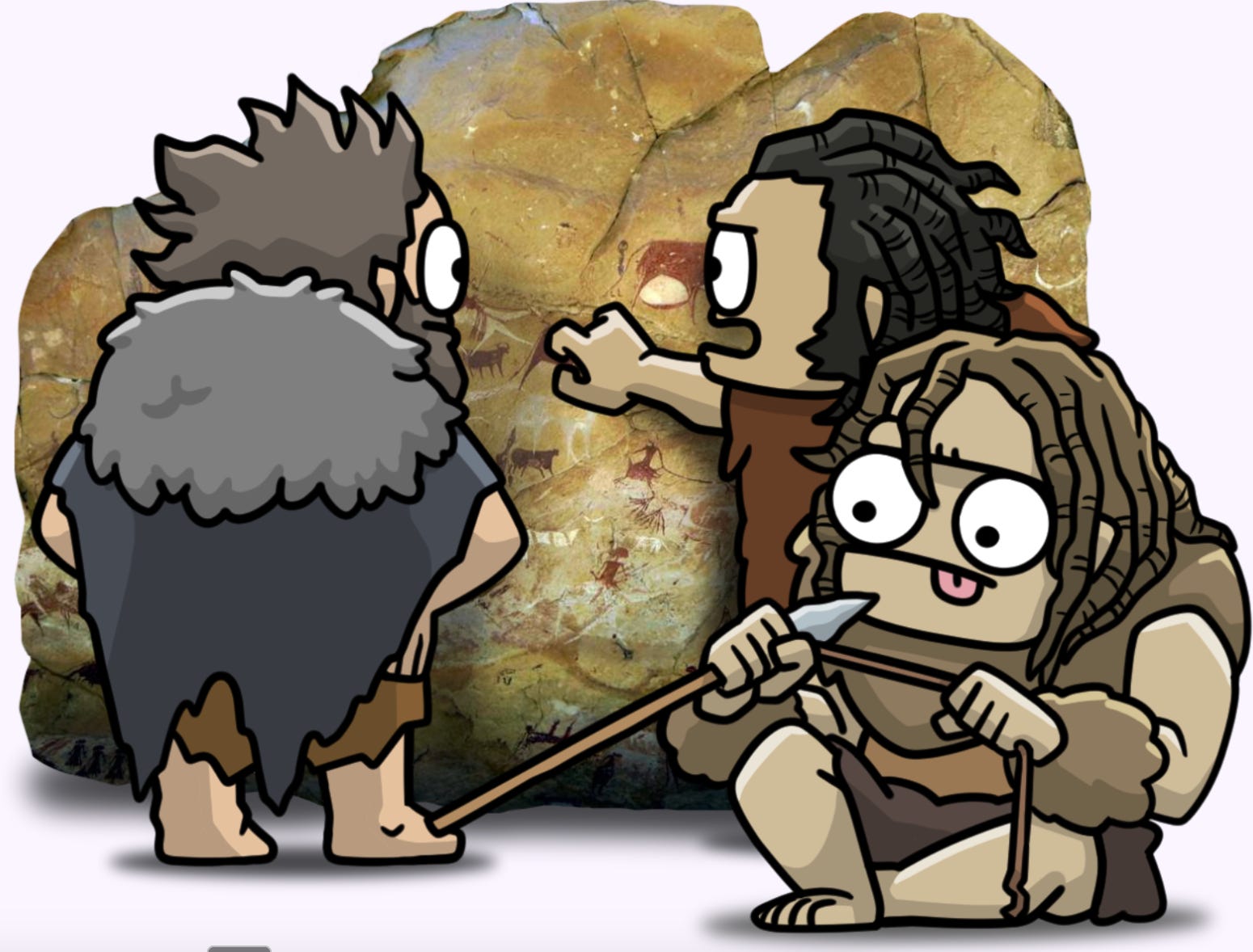
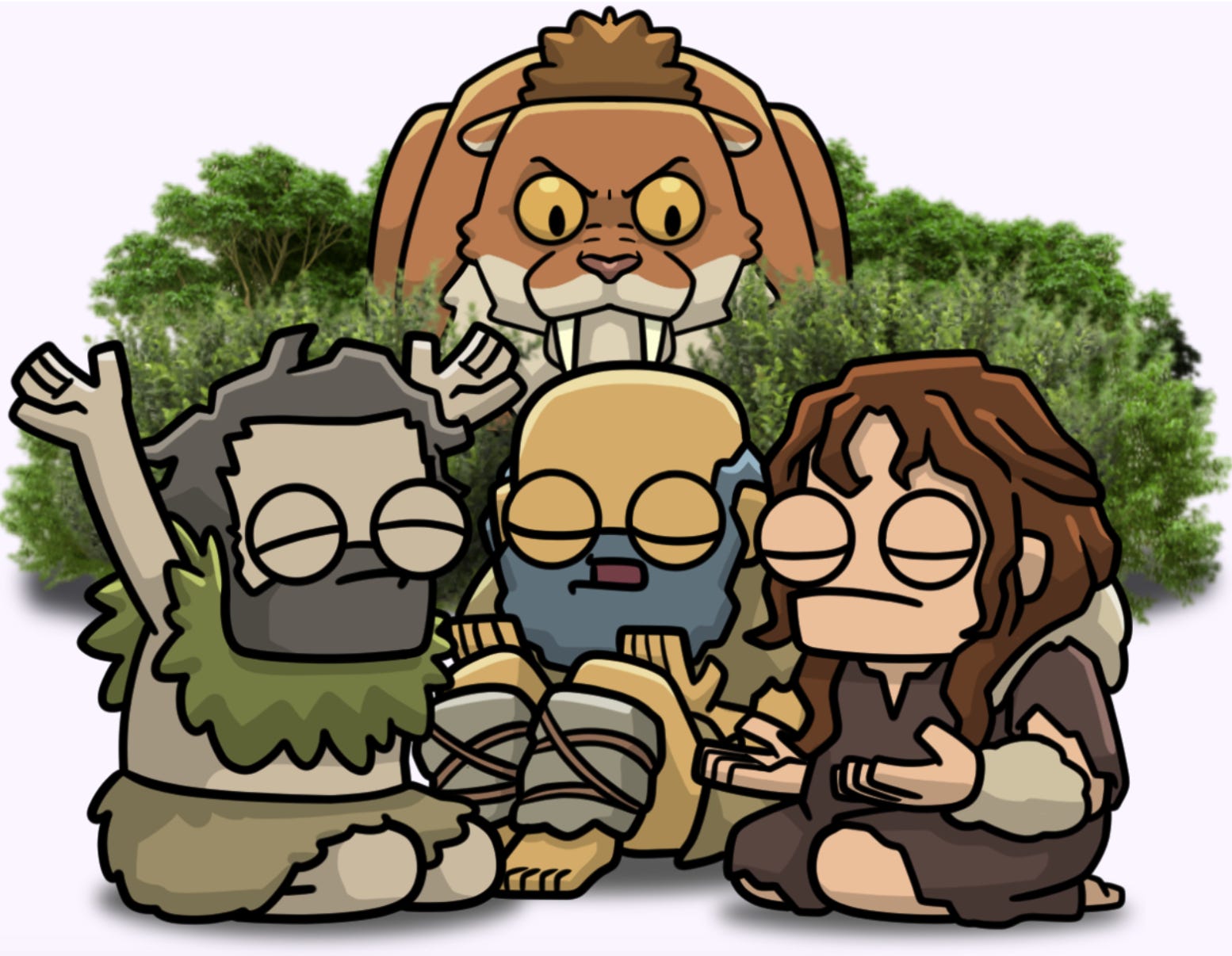
Less so.
So The Grabber kept getting promoted.
Language got more complex. Then we invented writing—turning lived experience into symbols on a page. Then institutions, schools, and workplaces. All rewarding Grabber skills: articulate, analyze, systematize, produce.
It was self-reinforcing.
The Grabber got stuff done → we built a world that rewards grabbing → The Grabber got more dominant → we built more Grabber-friendly systems. Rinse, repeat for a few thousand years, and now here we are.
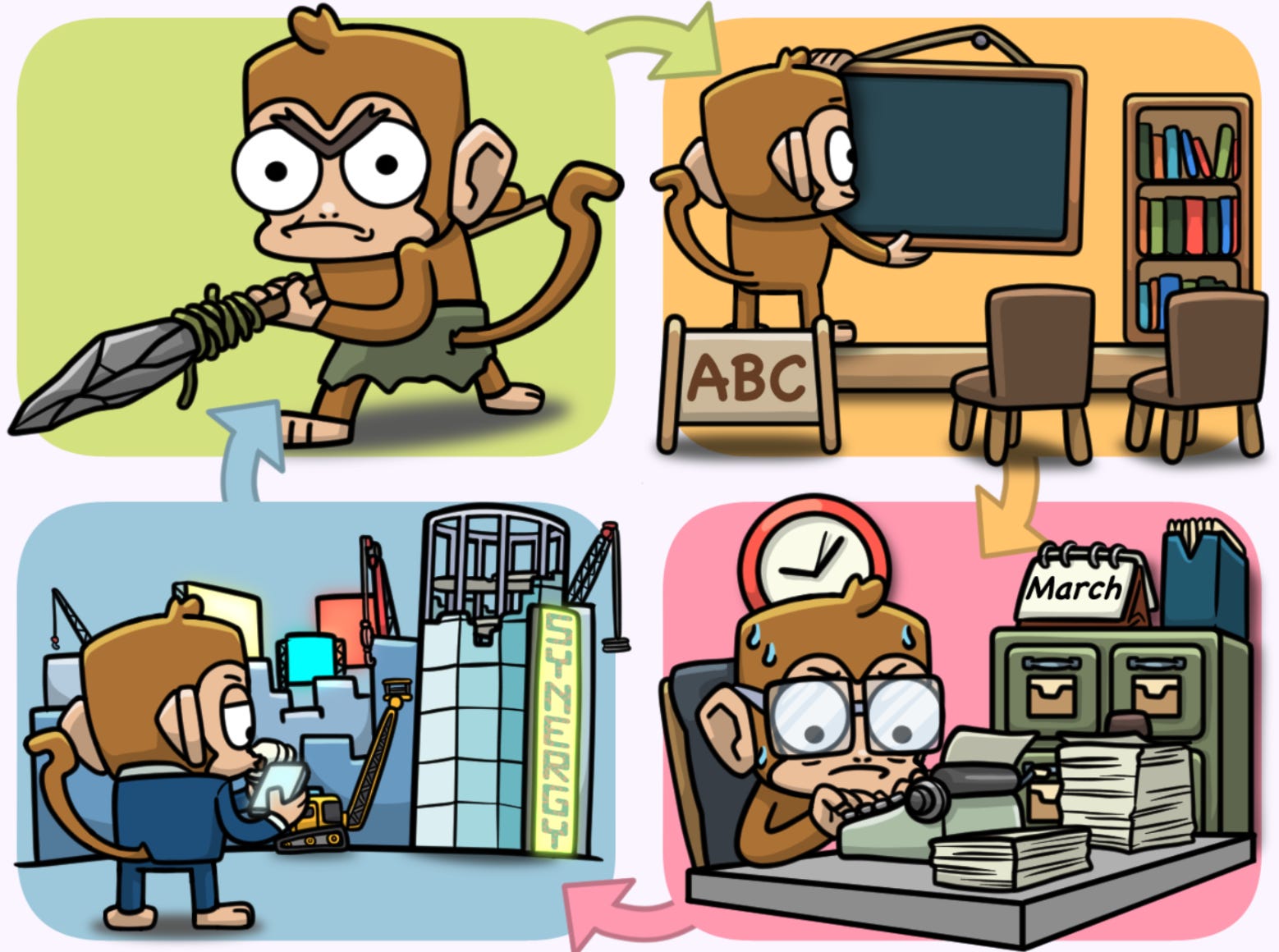
Now, is this provable in any rigorous scientific way?
Not really.
This is Prof McG’s interpretation of history through a neuroscience lens. It’s cultural criticism more than hard science.
But do me a favor and just look around.
We live in a world built by and for The Grabber, right?
The quiet kid gets a note sent home. ‘Sarah needs to contribute more in class discussions.’ Nobody writes, ‘Jake needs to shut the f*ck up and listen for once.’
We fill every pause with podcasts, music, scrolling—anything but silence. Even “meditation apps” won’t shut up.
Work promotes people who talk confidently in meetings. “Executive presence” basically means “sounds smart while saying nothing.”
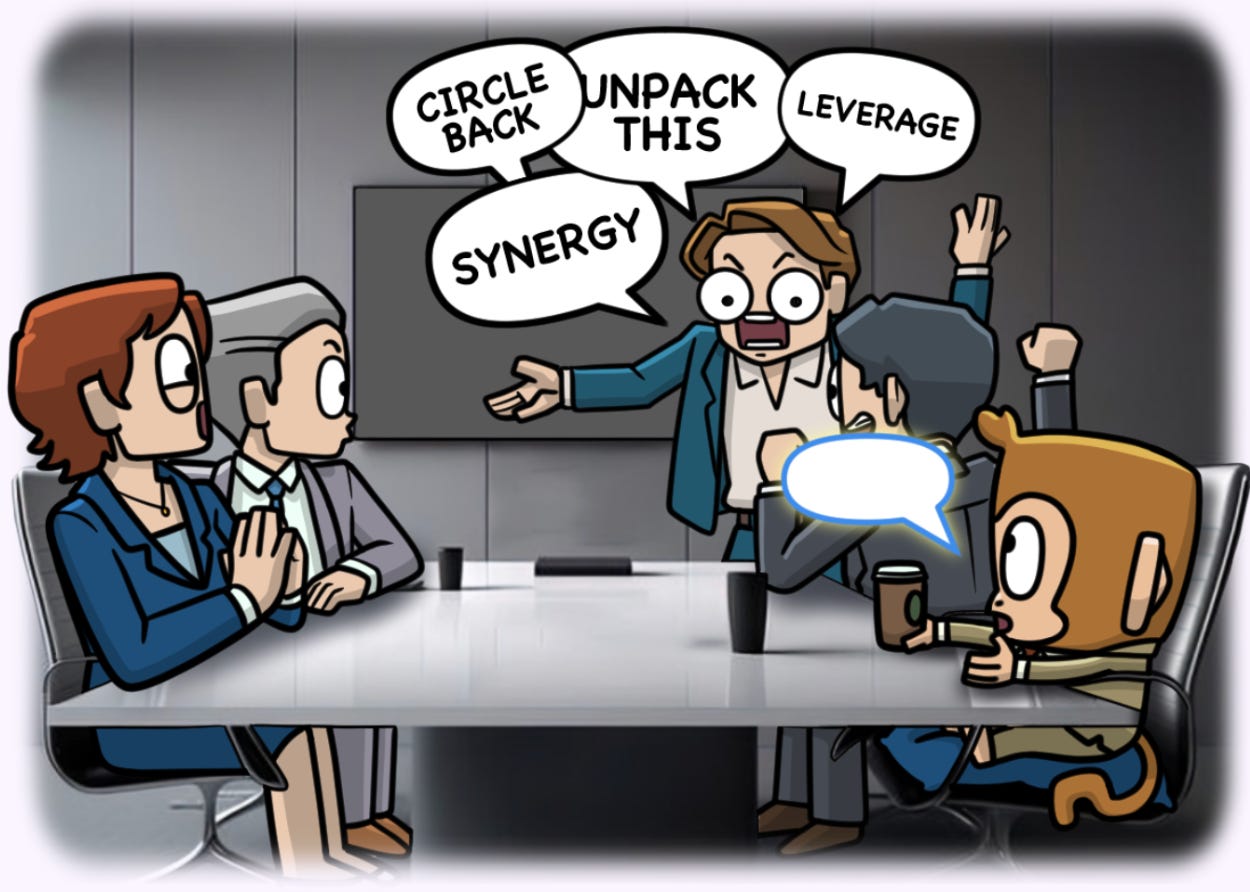
The Grabber dominates. The Receiver has been sidelined.
So you might be thinking: The Grabber dominates.
Cool.
But is that actually... bad?
I mean, the Grabber built civilization. Language, science, medicine. The phone you’re reading this on. The very words I’m using to communicate this idea to you right now.
Maybe Grabber dominance is just... fine?
Ideal, even.
OK… let me clarify something real quick.
This isn’t a rant about talking or a manifesto for introverts. There’s absolutely nothing bad about talking confidently in meetings or telling great dinner party stories. I try to do both, with mixed results!
The problem isn’t that we talk. It’s that we’ve forgotten how to not talk. The muscle for being has disappeared.
And that’s an important distinction.
Imagine there’s a beautiful sunset in front of you. It’s orange, yellow, and pink colors melting into a lovely blob of sky.
The Grabber part of you sees the sunset, and then this happens:
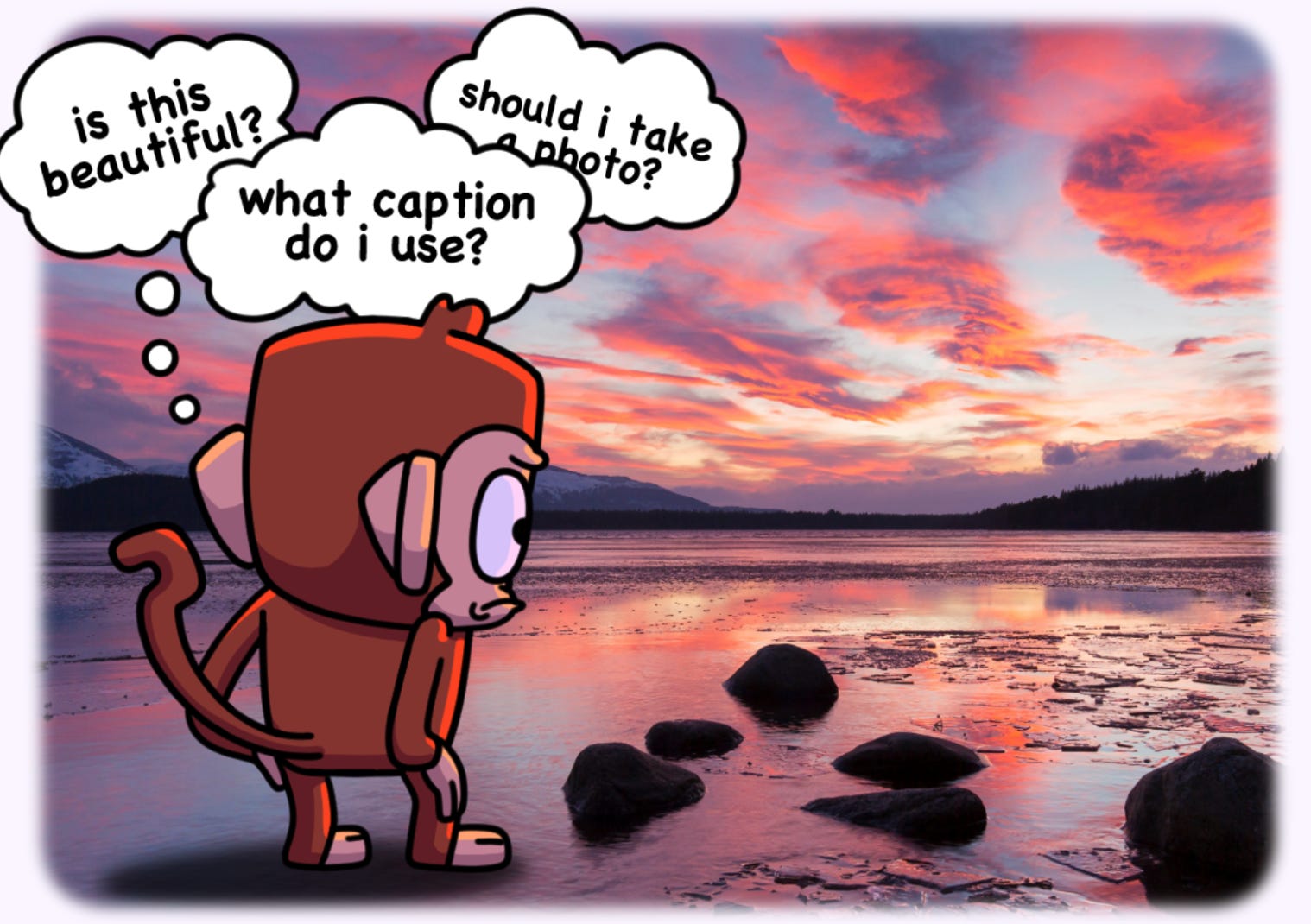
You’re looking at the sunset but not experiencing it.
Now compare that to the Receiver:

It’s that feeling of presence, of being. When the narrator in your head goes quiet, and you’re just... here. Not thinking about the moment. Just in it.
The same thing happens with people. So often in conversation are we just mentally composing a response and thinking about ourselves instead of listening to someone else.
Remember that meditation retreat? The one where I stared into a stranger’s eyes for two minutes and felt like I was in some sort of energy field?
In that moment, there was no labeling. No “what does this mean?” No narration. No planning what to say next.
That energy field I felt is not just spiritual woo-woo or some made-up feeling.
It’s actually something scientists have measured.
So there was this other Princeton neuroscientist named Uri Hasson. Also a genius. Also wore glasses. Coincidence? I think not.
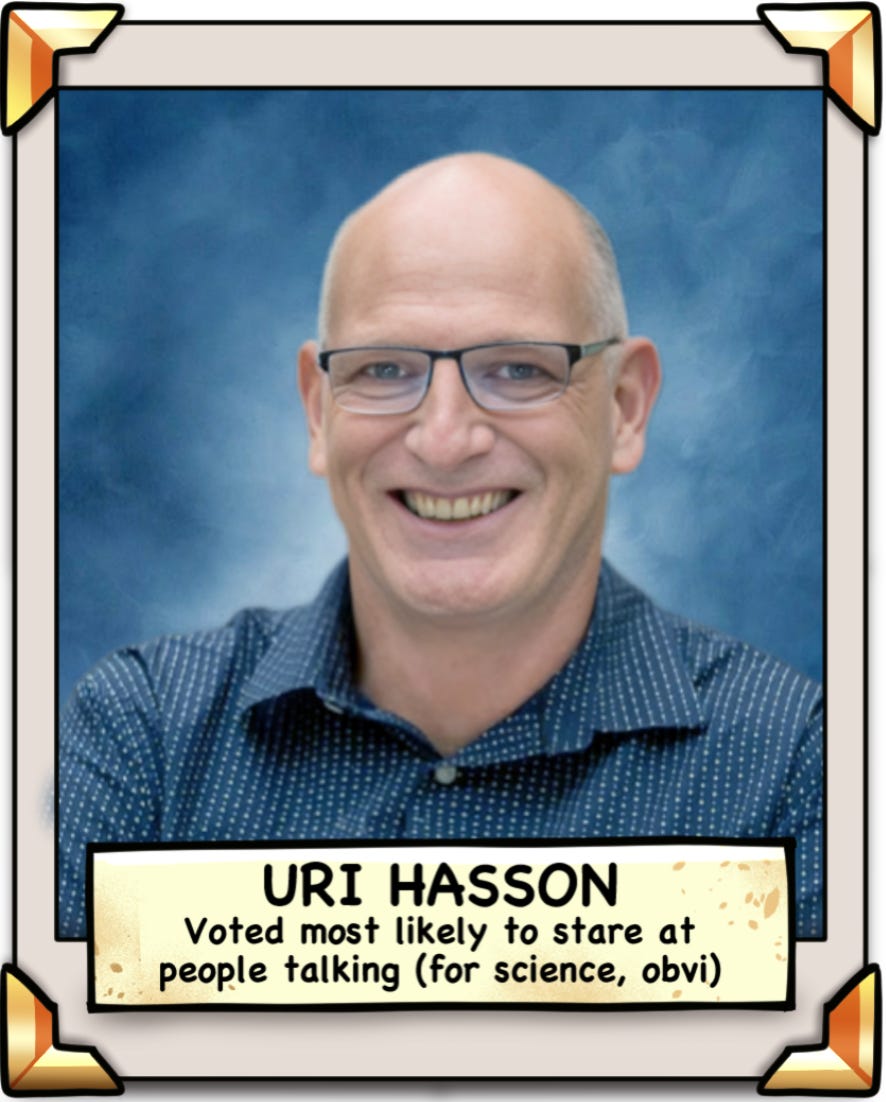
Hasson and his team hooked people up to fMRI scanners to observe their brain activity during real-world interactions. And what they found was that when two people are genuinely present together, their brain activity syncs up.
I don’t just mean “vibes”, but actual brain activity: same patterns, same rhythms, same wavelength.
They called it “neural synchrony”.
And the more neurally sync (neural synchronously?) two people are, the more they understand and connect. But here’s the key point: it wasn’t just good verbal communication that made people “sync” up. That’s obvious.
It was also shared eye contact, physical presence, and even paying attention to the same things, like a movie or story (read more).
So the common thread isn’t words vs. no words.
It’s attention.
Presence.
Whether you’re fully with the other person or somewhere else in your head.
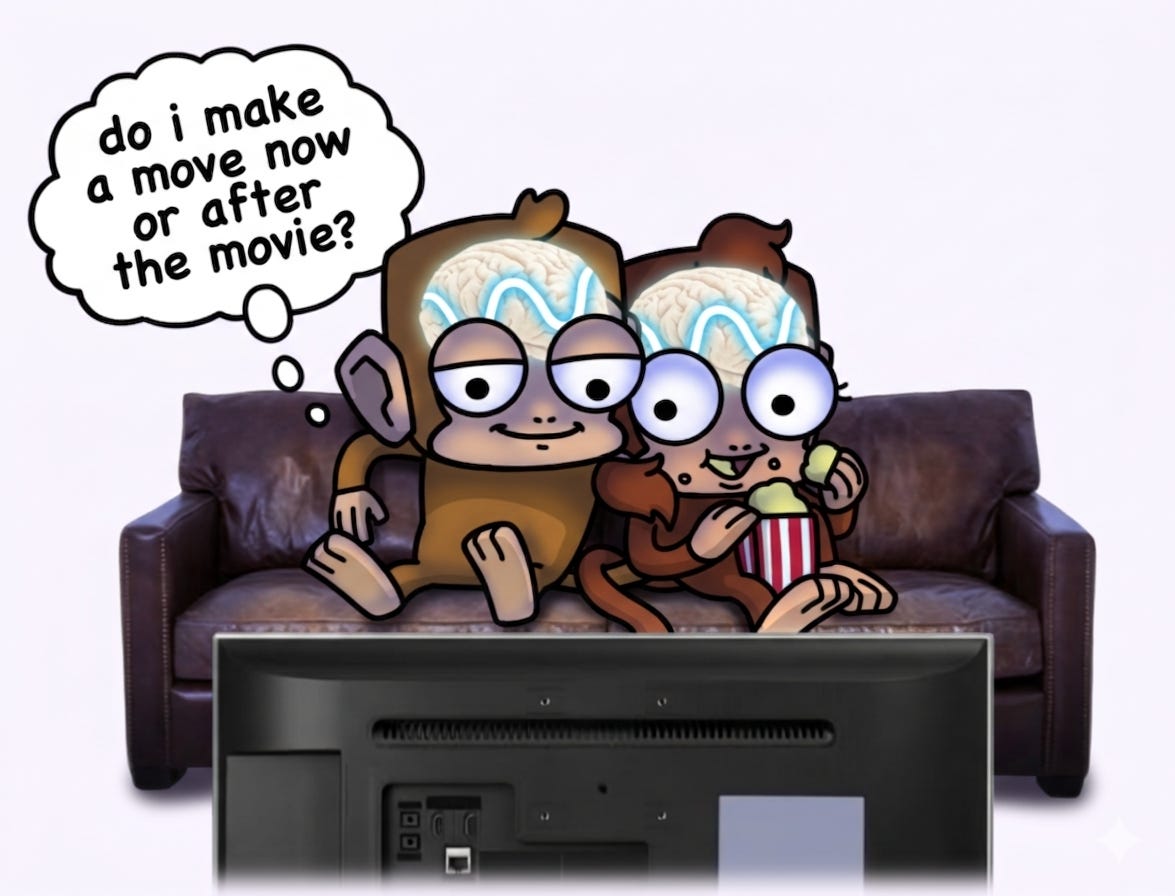
So that “energy field” I felt at the retreat while staring into the eyes of a stranger who could’ve been my grandpa was probably just our brains finding the same frequency.
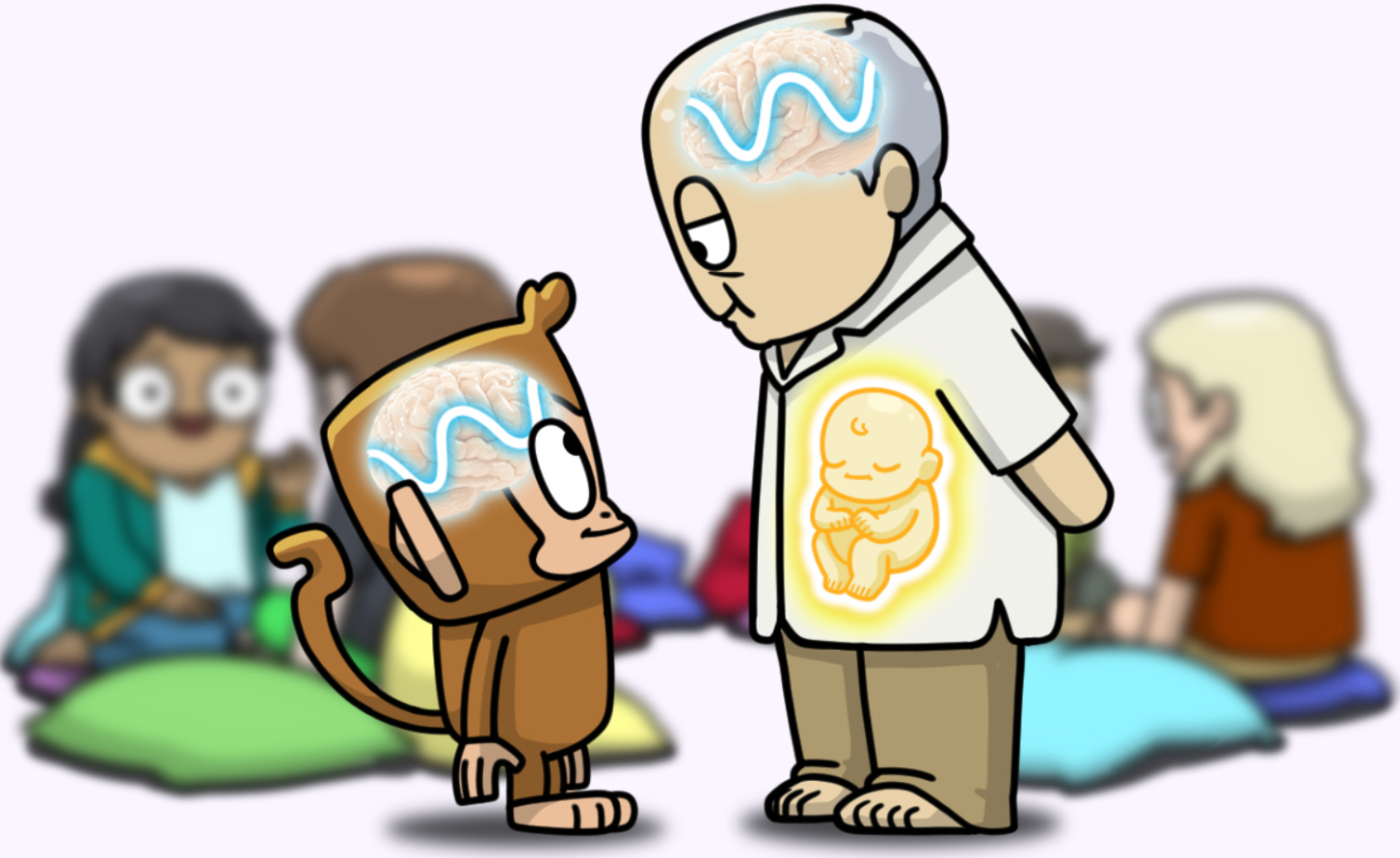
As for what kills neural synchrony?
Planning your response while they’re talking
Being in your head instead of with them
Compulsive chatter
Filling space with noise
Remind you of something?
OK, so let me zoom out for a second.
Because this isn’t just about one meditation retreat or one chatty friend. It’s that we’ve lost our ability to just... be. To be in the presence of others without filling every gap.
Think about it.
When’s the last time you sat with someone—a friend, a partner, a family member—in complete silence? Not awkward or post-argument silence.
Just... being together.
For most people, that probably sounds unbearable. Or weird. Or both.
But it’s just our social conditioning that makes us think silence is the enemy. And we can break free from that conditioning if we really want to.
Meditation can help.
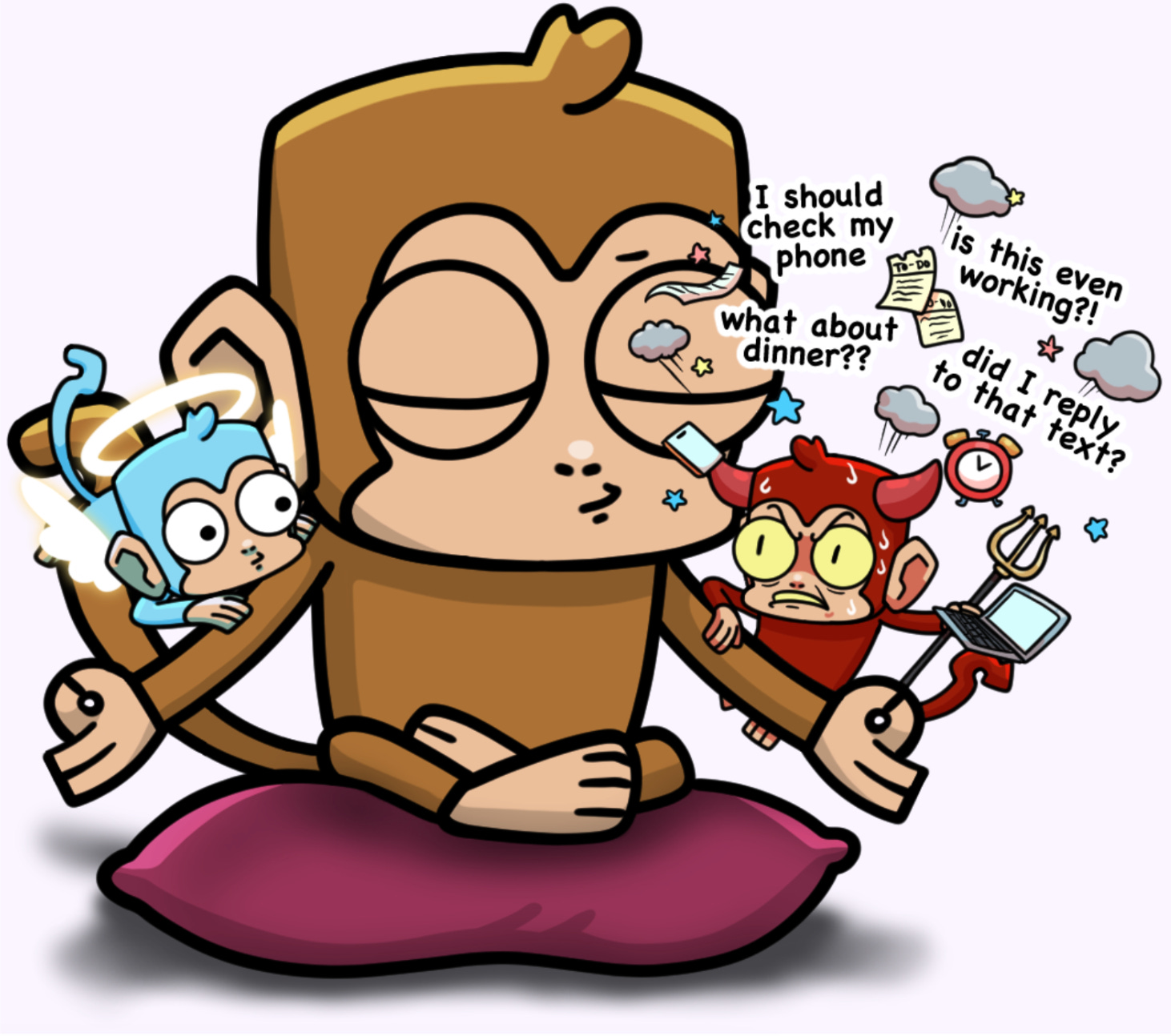
Cause meditation is not just about stress management. It can train the Receiver to balance out the Grabber.
You sit.
Thoughts arise.
The Grabber wants to chase them—label them, analyze them, turn them into a story.
You notice this.
You let go.
You return to just sitting.
Over and over.
Thousands of times until you can sit still and tap into presence, until you tap into The Receiver.
What you’re training is the capacity to not narrate. To let experience be, without compressing it into words.
And when you can do that alone, you can do it with another person. That’s when the sync happens.
Okay, enough preaching meditation!
So what do we do with all this? What’s the conclusion, 4,000 words later?
I’m not saying “stop talking.” That would be insane. And hypocritical—I literally just wrote 4,000 words about this! The irony is not lost on me.
Sometimes, the right words at the right moment create more connection than silence ever could. Communication is essential, and we should all strive to improve at it.
Here’s the actual thesis: the problem isn’t language itself—it’s compulsive language. Language as filler, as something that replaces presence instead of emerging from it.
Someone call up the philosophy department… I want an interview!
So maybe a few suggestions for me and everyone else:
Notice when you’re filling space vs. actually communicating. There’s a difference between speaking because you have something to say and speaking cause silence is uncomfortable.
Let pauses breathe. Next time there’s a gap in conversation, resist the urge to fill it. Sometimes the most interesting things emerge from silence.
Try the eye contact thing. I know it sounds weird. But find someone you trust and just look at each other’s eyes for a minute or two. See what happens. (Maybe don’t lead with “I read this article about neural synchrony, and I want to try something...”)
When someone else is talking, actually listen. Not ‘quiet your mouth while your brain prepares a response’ listening. Actually receive what they’re saying.
Look, I don’t have this figured out. That’s already obvious to you?
F*ck.
I still talk too much. I still fill silences. I still catch myself narrating moments instead of living them. My mind sometimes feels like an old warehouse radio station someone forgot to turn off.
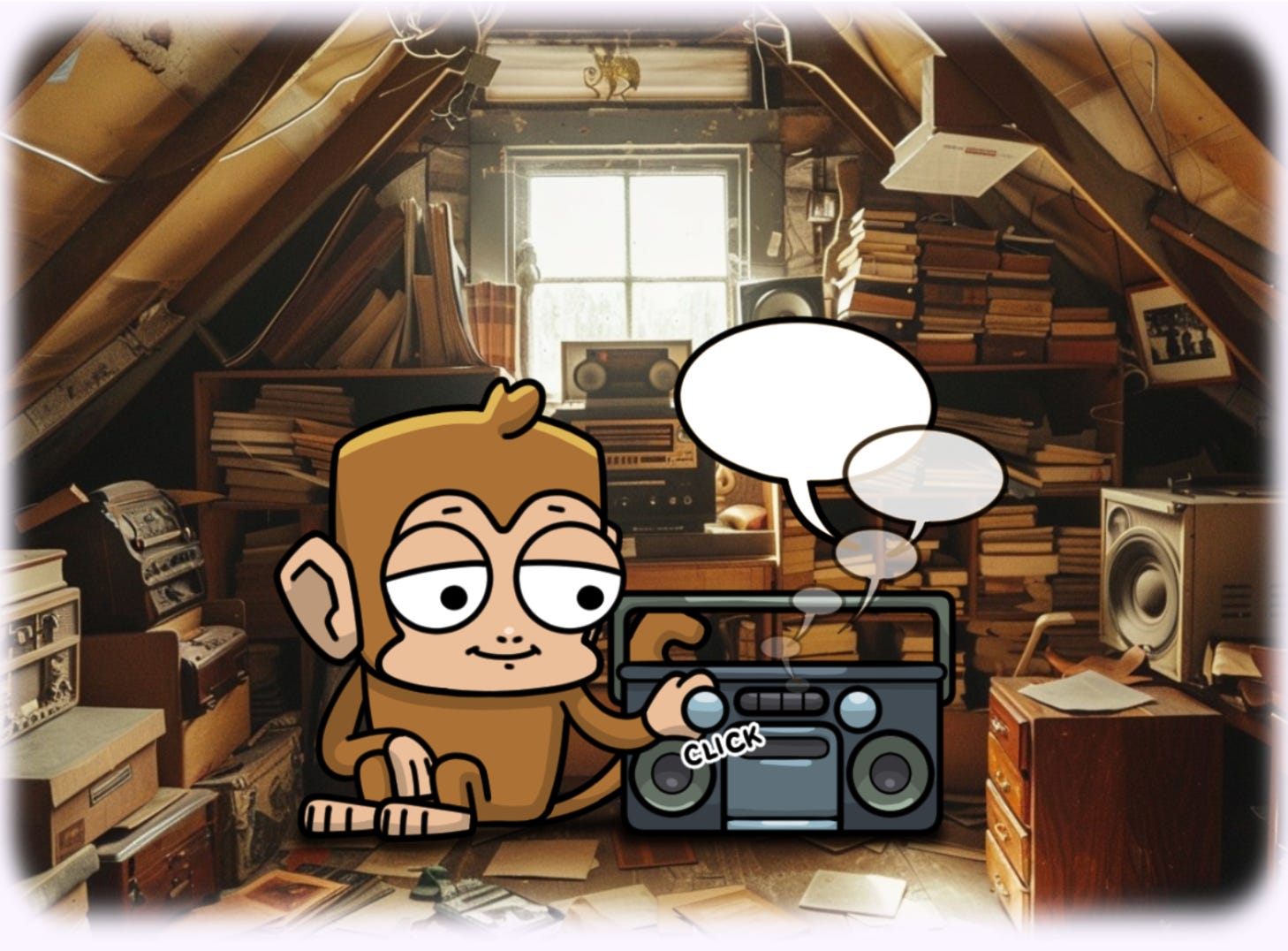
But I know there’s another way.
I’ve felt this territory too much to forget it exists.
And sometimes—in a pause, in a glance, in a silence that neither person fills—I find myself back there for a second. Two brains, same frequency.
Maybe that’s enough. Maybe the practice is just noticing, catching yourself, and returning. The Grabber will always be there. It’s useful, and we need it. But The Receiver is there too, waiting for us to tap into it.
We just have to shut up long enough to notice.
*Thank you for reading! I hope you learned something, or at least smirked once or twice. If you laughed at least once or liked the cartoons, please subscribe.
I’d love to hear your feedback. No… your criticism. (Actually). This is what helps me become a better writer. Feel free to email me at noahdovedelman@gmail.com with your thoughts! Okay byeeeee.*