

“We have two lives, and the second begins when we realize we only have one”
— Confucius
I think about my own death more than someone in their 20s probably should.
When I will die. How I will die. What death even is.
I sometimes visualize the process of dying… that brief moment where I go from being alive to not existing. Last month I was on a flight back to New York. Somewhere over Ohio (it’s always Ohio!), we hit a rough patch. The plane shook, the seatbelt sign dinged on, and I did my usual thing: I started visualizing my own death.
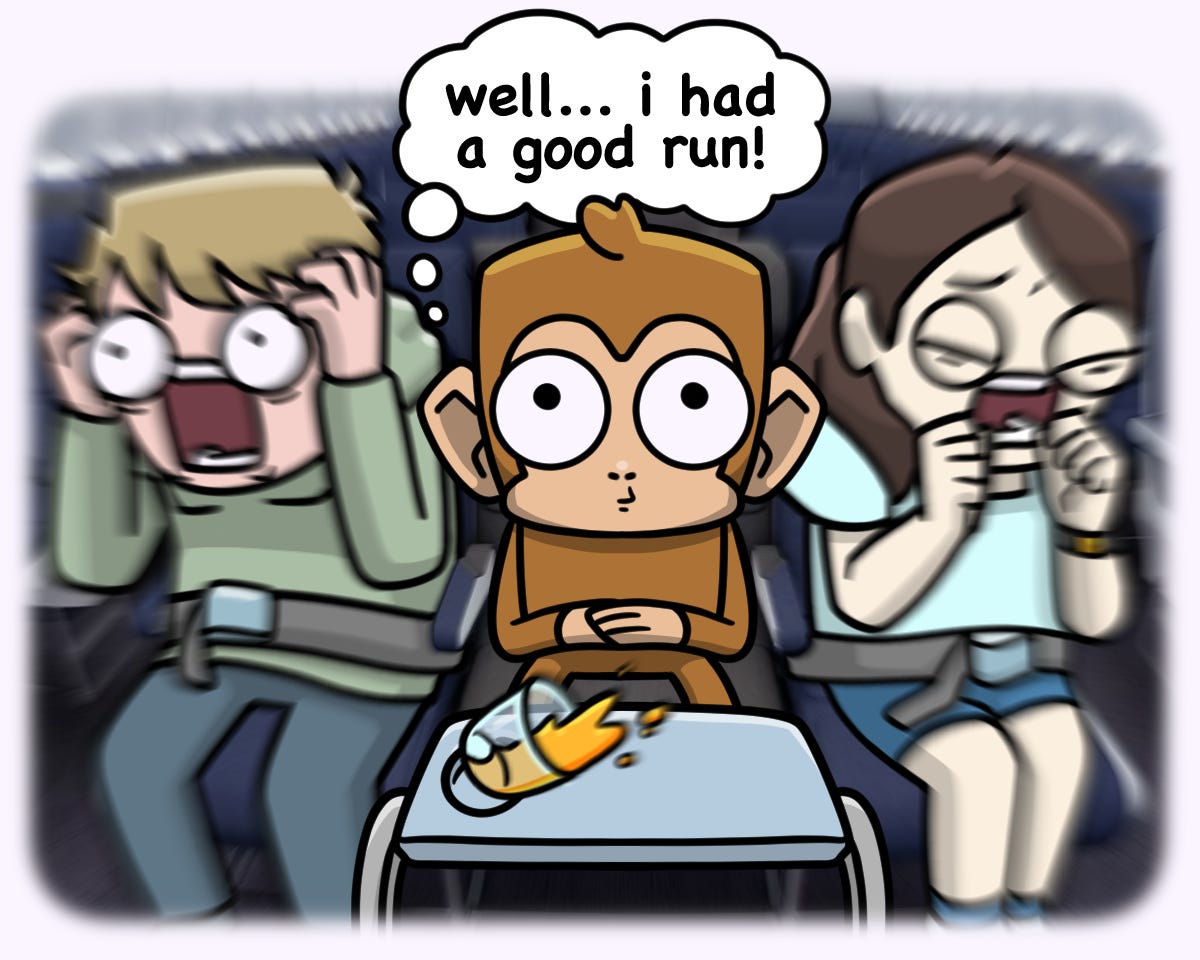
*The plane is shaking.
That means I’m dying! Yes, I’m dying. These are the last few minutes of my life. I will never see my family again… I will never see my friends again. Or The Office.
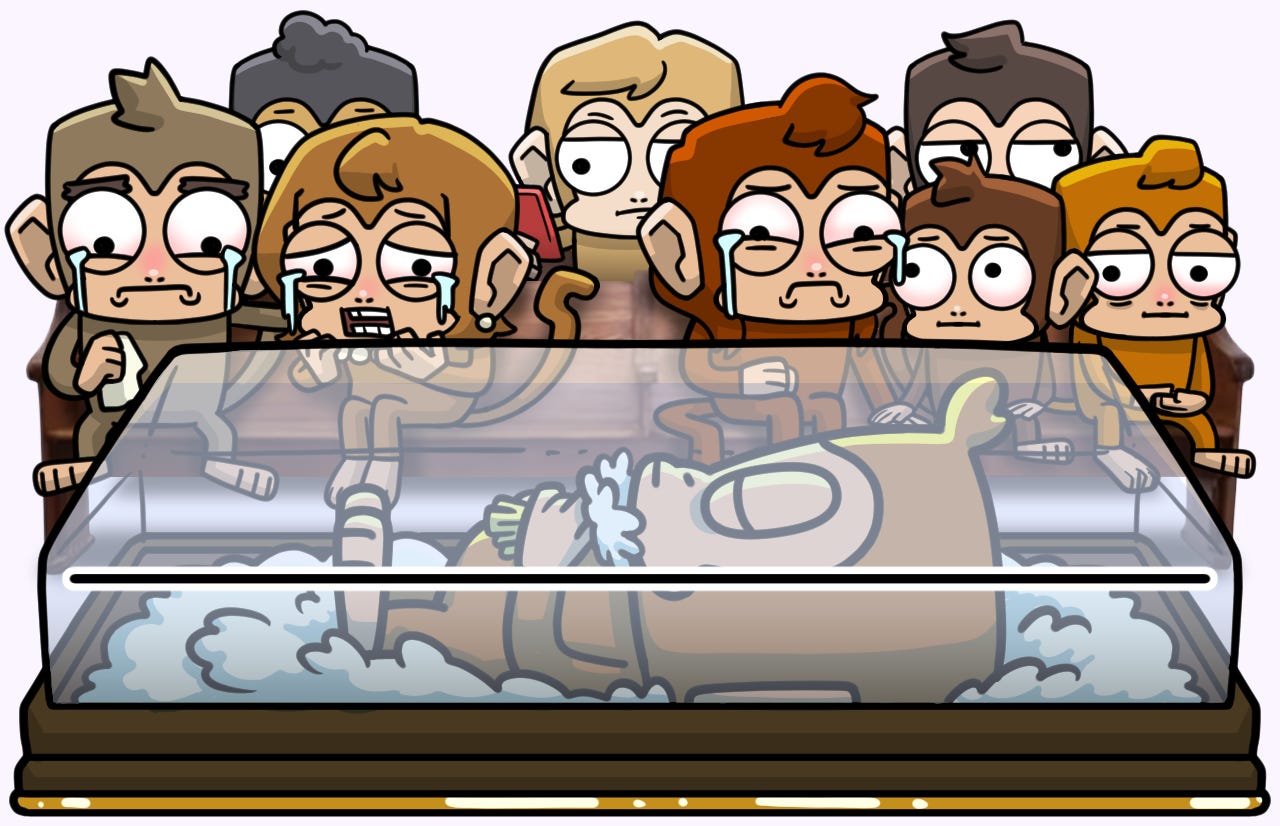
What will my funeral look like? Who will be there? Family, of course. Friends. People who weren’t really “friends” but wanted to show face.
F*ck.
I’m tearing up in the middle seat on a domestic United flight. It doesn’t matter—I’m dying.
I continue to visualize. How does my death impact my parents? How do they react? They’re heartbroken. I’m crying now. No… I’m bawling. I hope the guy in the window seat isn’t watching this!*
And then… the turbulence stopped. I am no longer dying.
HELL YEAHHHH!
I am alive.
And I feel different. Not physically, other than the snot melting out of my left nostril from crying. But mentally, emotionally. I felt lighter. My perspective on things felt different.
The guy next to me was absolutely hogging the armrest, but it didn’t bother me one bit. A baby one row back started screaming at the top of her lungs, and my first thought was: babies are f*cking amazing. I love babies!
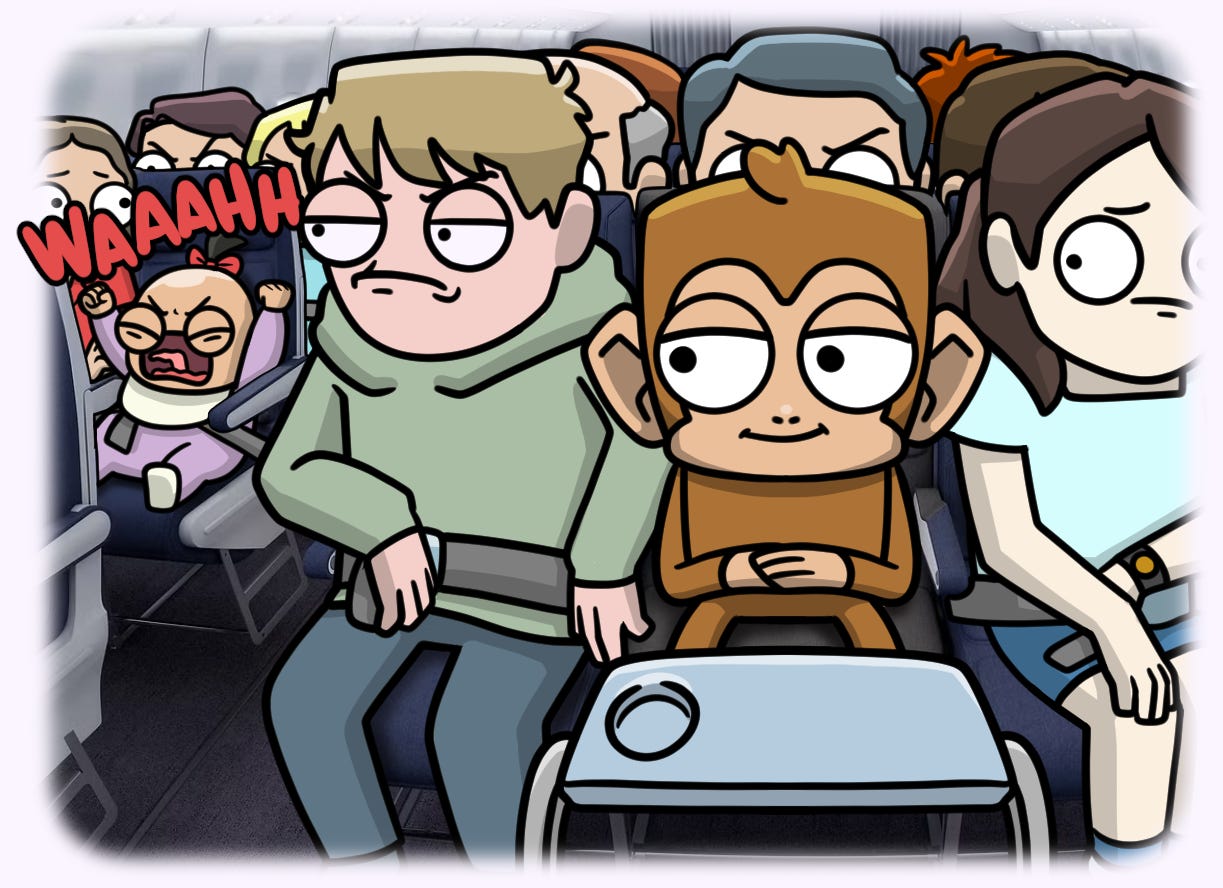
My parents picked me up from the airport. Normally I’d be half-present, maybe a little irritated from travel, already thinking about what I had to do the next day. But this time I was just... there. Grateful to see them, to be alive, and to be going home at least one more time.
And then just as quickly as I felt different, I went right back to feeling the same before my death visualization.
I woke up the next morning, and someone had left their dishes in the sink, and I felt mildly annoyed about it. Back to normal, just like that! The whole perspective shift… gone.
I was back to caring about armrests, parking spaces, and whatever small thing was in front of me, without feeling the same sort of appreciation for simply being alive. And this wasn’t the first time. Somewhat frequently since my teenage years, I’ve visualized my own death, funeral, or the idea of “being nothing”. Sometimes on airplanes, sometimes not.
And I’ve also visualized the death of my loved ones.
What would it be like for one of my best friends to die? To no longer exist. What would I say at his funeral? What does it mean to come to terms with the fact that he could die at any moment? That I could die at any moment?
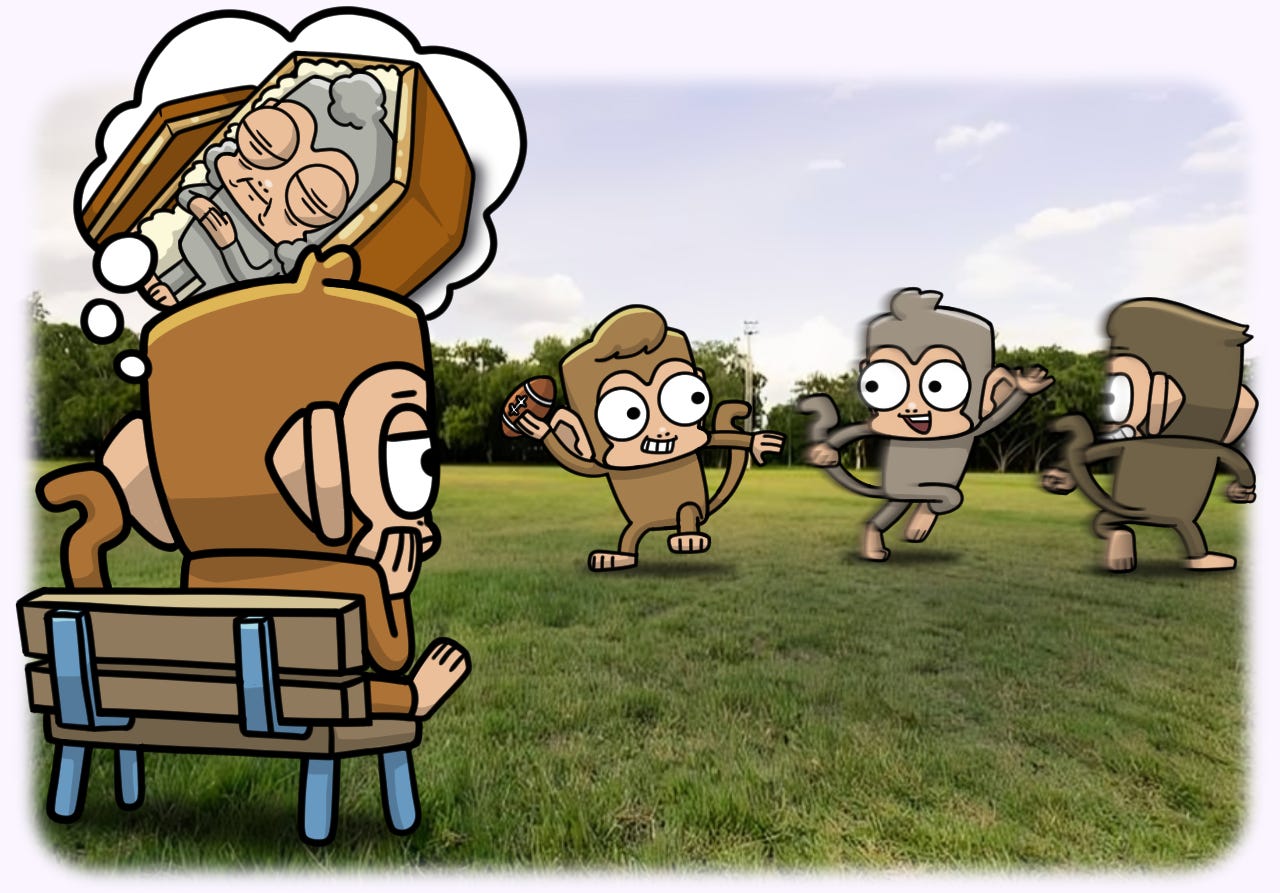
Suppose you’re thinking: jeeeeez! Someone find this kid a therapist! He’s thinking about death too much…Thank you for your concern… but you need not be.
Because these visualizations and exercises have made something quite clear to me: when I am reminded of death, the way I view life shifts in an overwhelmingly positive direction.
Priorities clarify.
The petty stuff falls away.
Gratitude becomes automatic.
But I only feel this way sometimes!
Sometimes…
Which got me thinking: What is it about death (thinking it, visualizing it, living it) that can completely shift our perception of reality, even for a brief moment? Why is that shift positive? And if we can access that shift sometimes, can we access that shift all the time?
It was time to get curious.
Stupidly curious… about DEATH.
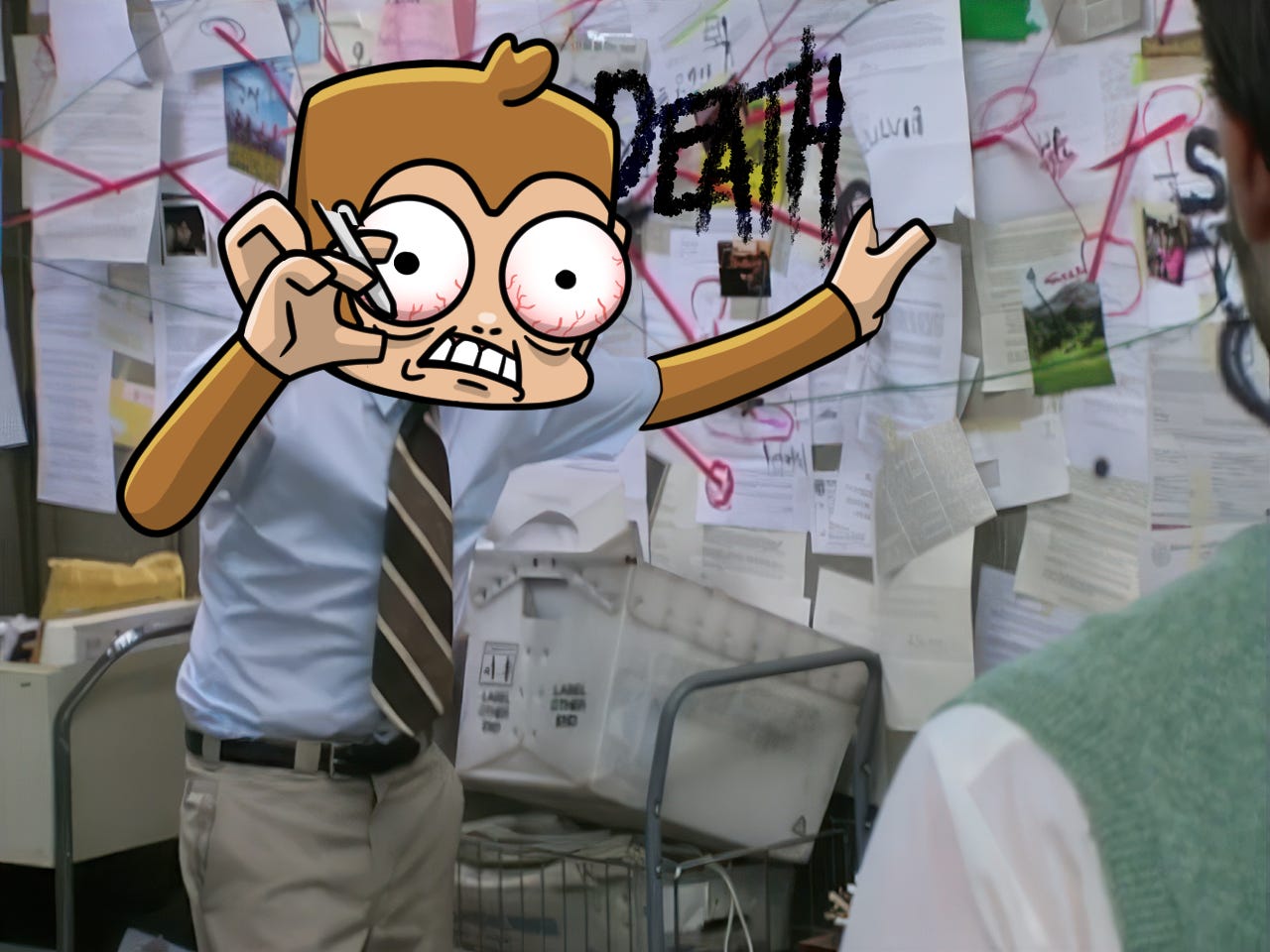
Quick disclaimer before we dive in.
When I talk about “death” in this article, I’m talking about the end of subjective conscious experience. The end of whatever “this” is. Lights off. Done.
This is a dualistic perspective, and I’m almost positive my understanding of death at 24 years old is, uh, pretty limited. I don’t really know what death is. I think we’re probably thinking about it the wrong way because of our incomplete understanding of consciousness. I’m not even sure “death” is the right word for whatever it is we’re actually describing.
How we relate to death as a whole is probably a way more interesting article than this one. This one’s just about how to remind ourselves of it. I’ll get to the bigger stuff eventually. But for now, I’m using “death” as most people do, because otherwise this article would be 40 pages long and nobody would read it.
I used to think my 13-year-old death visualizations were just me being dramatic on airplanes. But turns out this shift I’m describing is well-documented, and psychologists have been studying it for decades.
I want to introduce you to a field of study called Post-Traumatic Growth (PTG).
It’s basically about how people transform after a major life crisis or trauma, like *ahem* nearly dying.
There are these researchers, Richard Tedeschi and Lawrence Calhoun, who have spent years studying people who’ve faced serious brushes with mortality—terminal diagnoses, car accidents, heart attacks, the works.
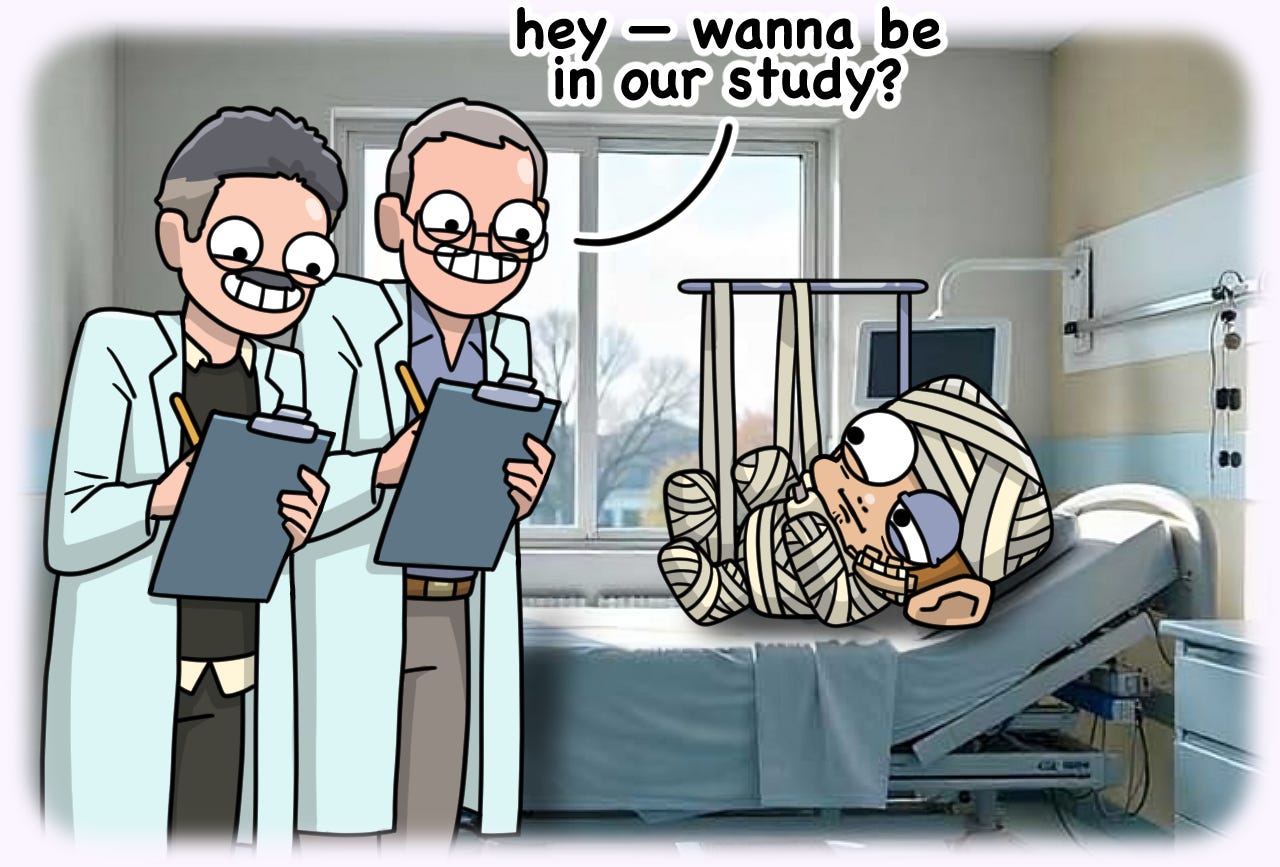
And what they found is counterintuitive: a significant number of these people don’t just recover… they transform.
Like, in a good way.
After not dying, these people report greater appreciation for life. Deeper relationships. A clearer sense of what matters. 60% of women who survived cancer reported positive changes in priorities, for instance.
This isn’t toxic positivity or “everything happens for a reason” nonsense. It’s a documented psychological phenomenon. Proximity to death does something to people.
There’s another tranche of research that puts the nail in the coffin.
Bad analogy? Sorry.
Bronnie Ware is an Australian nurse who spent eight years in palliative care (think: hanging out with people right before they die), and wrote about the top regrets of dying people.
This brings it full circle—how does a person’s perspective on life shift when they’re ACTUALLY about to die?
“I wish I hadn’t worked so much.”
“I wish I’d stayed in touch with friends.”
“I wish I’d let myself be happier.”
At the end, people see clearly what matters… what many of us can barely glimpse when death is an afterthought.
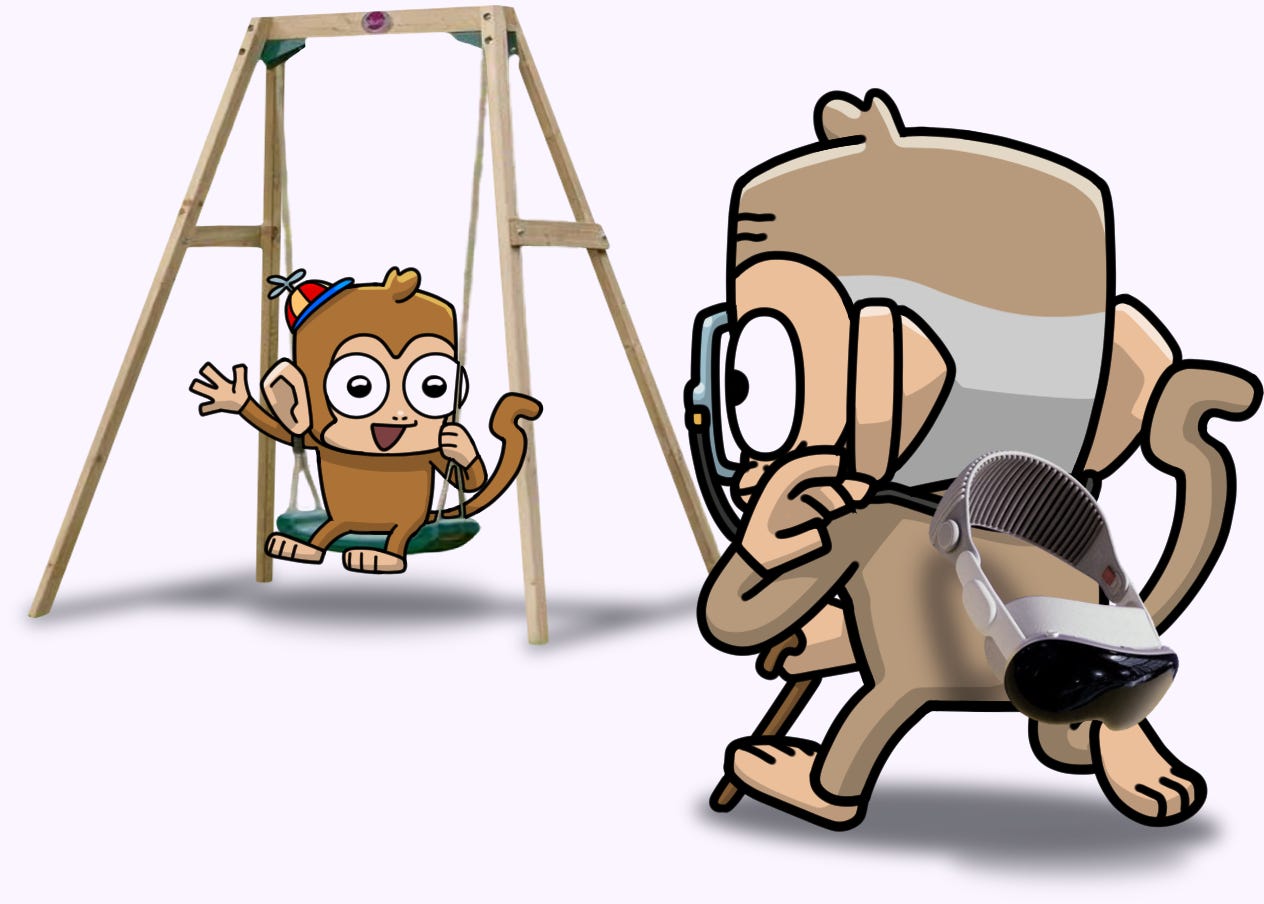
Okay, so here’s where I want to pause and say something that took me a minute to figure out while piecing this article together.
I’ve been writing about death this whole time. The airplane, the PTG research, Bronnie Ware, and her dying patients. All of it framed around this one word.
Death, death, death.
But I don’t actually think it’s just death doing the work.
Meet Laura Carstensen, a Professor of Psychology at Stanford. Her research found that when people perceive their time as limited, their priorities shift. The mechanism she identified wasn’t death. It was time perception. The felt sense that this—whatever “this” is—isn’t going to last forever.
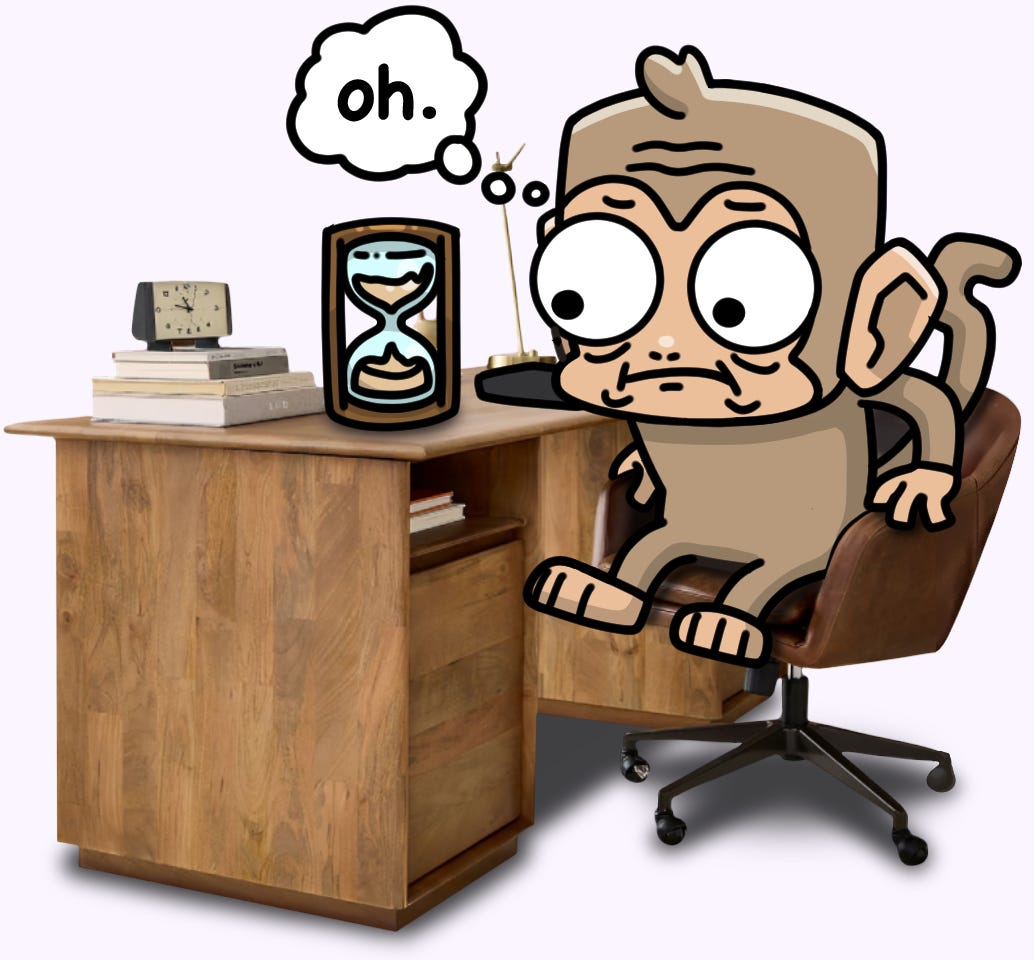
That felt sense has a name: impermanence.
Death is the loudest possible reminder that everything is impermanent. It’s the anchor. Without death in the picture, impermanence is just a philosophical concept you nod at and then forget.
With death in the picture, it becomes visceral.
So the airplane shift wasn’t random. The turbulence forced me to reckon with death, which made impermanence go from abstract idea to felt truth. For forty seconds, I actually knew—not intellectually, but literally in my body—that I would never get this moment back again.
My parents waiting at the airport. The armrest dude. The crying baby. All of it, one-time-only.
That’s what dropped me into gratitude. Not the fear of dying, but the sudden, undeniable sense that this won’t last, so I’d better actually be here for it and appreciate it. So death is the anchor and impermanence is the shift. Let me repeat: death is the anchor and impermanence is the shift.
Now, the thing is, most of the people I’ve been talking about got this shift of impermanence through crisis. A near-fatal accident. A cancer diagnosis. A nurse sitting at their bedside as they counted the regrets.
Which raises the question I keep coming back to: do we have to wait for death to wake us up to the impermanence of this moment? Is there a way to access this transformation (the clarity, the gratitude, the aliveness) without the cardiac arrest? Without waiting until we’re eighty and full of regret?
Can we get the wisdom of the deathbed while we’re not, y’know, on the deathbed?
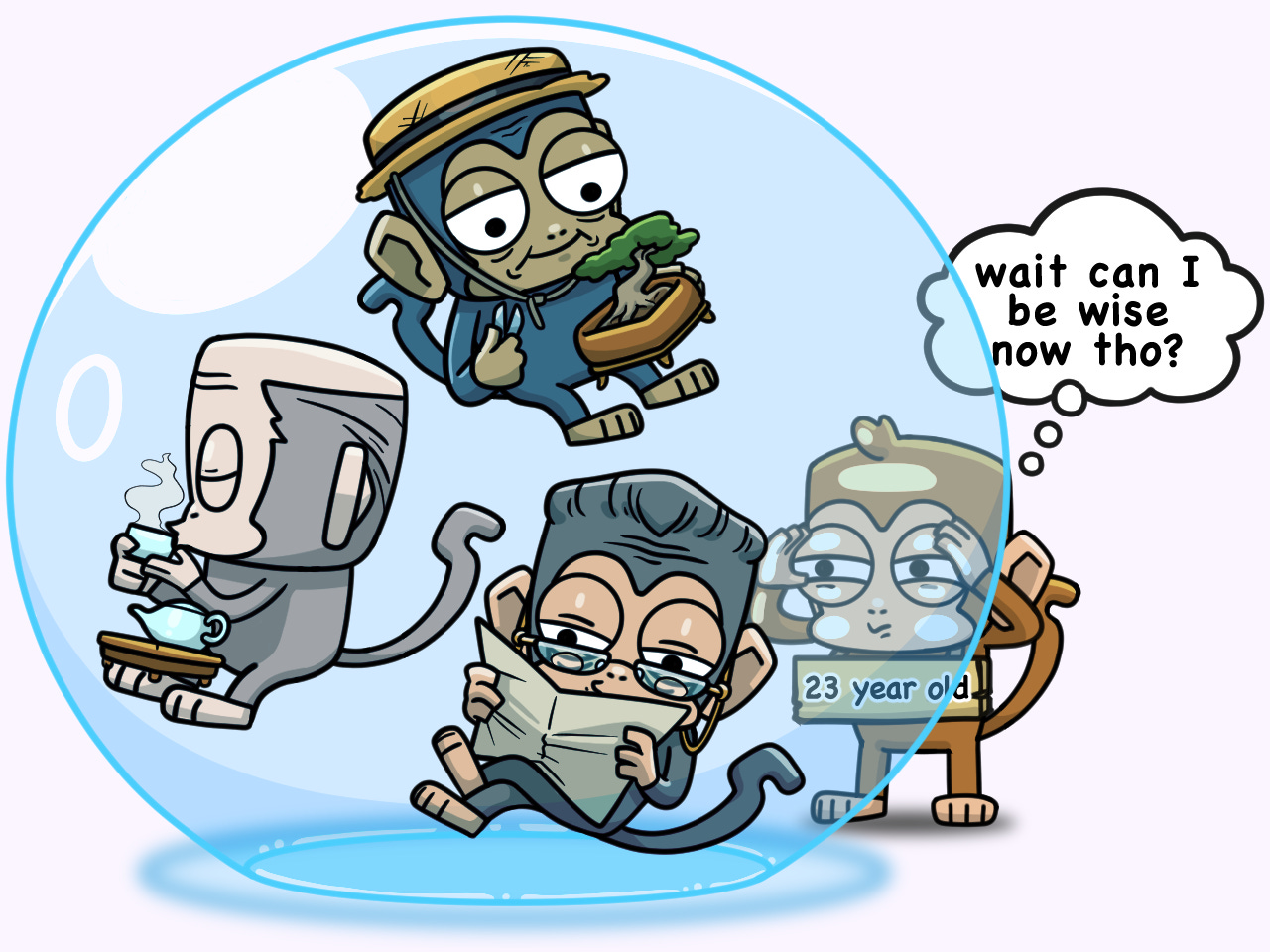
I think we can.
But not by skipping past death and going straight to impermanence. That doesn’t work. Impermanence without death is too abstract, too easy to nod at and forget. You need the anchor.
The trick is learning to use death as the anchor on purpose, rather than waiting for a plane to shake or a diagnosis to come. To bring death close enough that impermanence becomes felt, not just understood. Then let the impermanence do its work. The gratitude, the clarity, the urgency to actually be here for this moment because you’ve really grasped that it isn’t coming back.
There’s a version of “thinking about death” that’s overwhelming, anxiety-inducing, and frankly unhelpful. I used to get actual panic about this as a kid and teenager. Like if I thought about death hard enough, my heart would start racing, my palms would become sweaty, and I’d do anything to distract myself.
There’s this somewhat ridiculous, somewhat profound clip of Gary Vee (y’know… the “work 18 hours a day for 7 years” guy) saying that he frequently visualizes his family members getting shot in the face.
Like… multiple times a week. He argues that it keeps him grateful. That he never takes anyone or anything for granted. And look, I respect the commitment. But I’m not asking you to imagine your loved ones getting murdered during your morning commute.
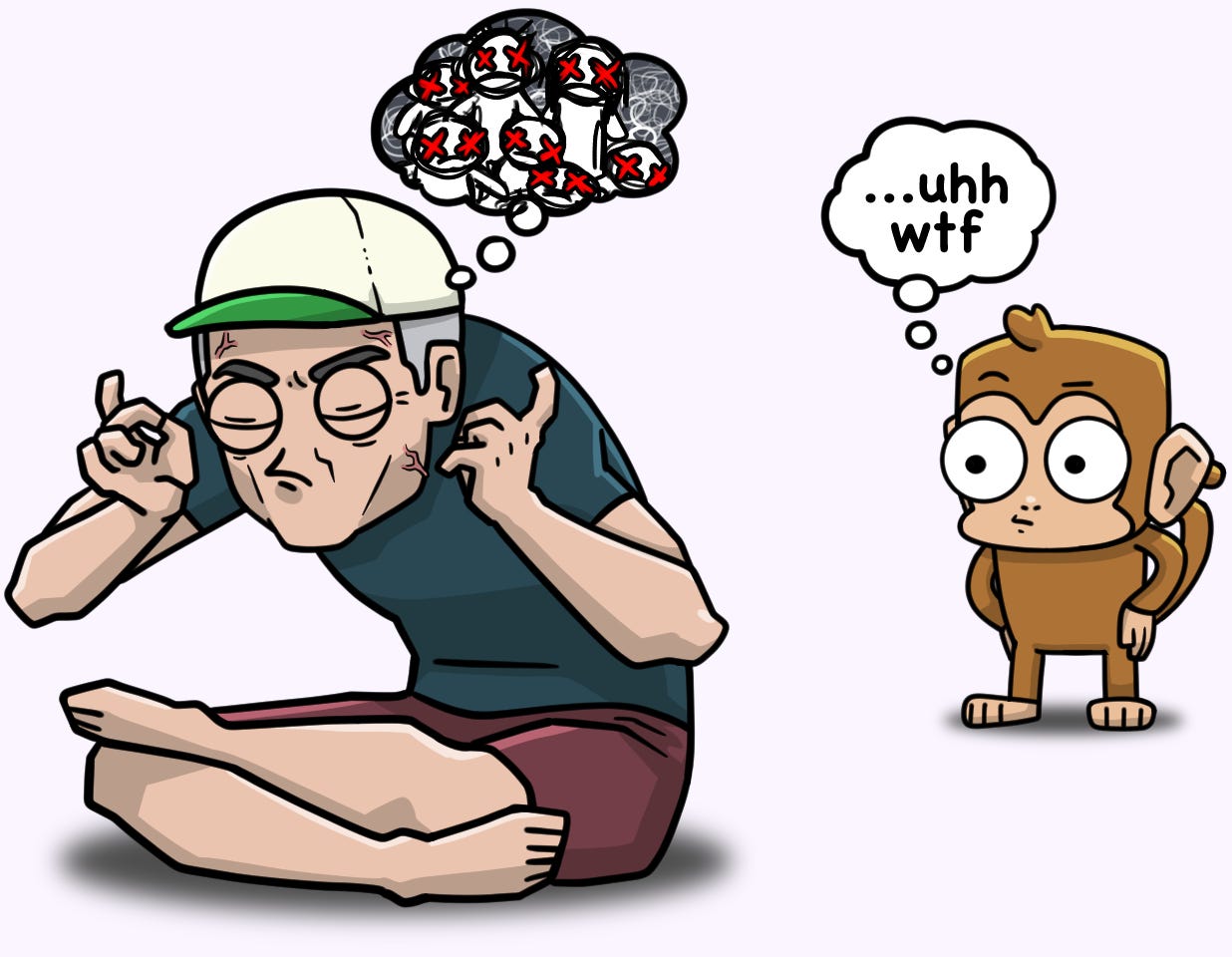
That’s... a lot. Nor do I suggest that you make death the focal point of your life, obsessing over it, visualizing it, all to get yourself into that “wisdom state”. This isn’t the sustainable way.
What I am suggesting is something steadier.
A way to hold the reality of death without white-knuckling through it. A way to let the wisdom of the deathbed show up in your actual life, not just in moments of turbulence at 30,000 feet.
My framework is simple: let death sit in the backdrop of your day-to-day: a guide, a reminder, not a helicopter parent that won’t leave you alone.
An analogy helps here.
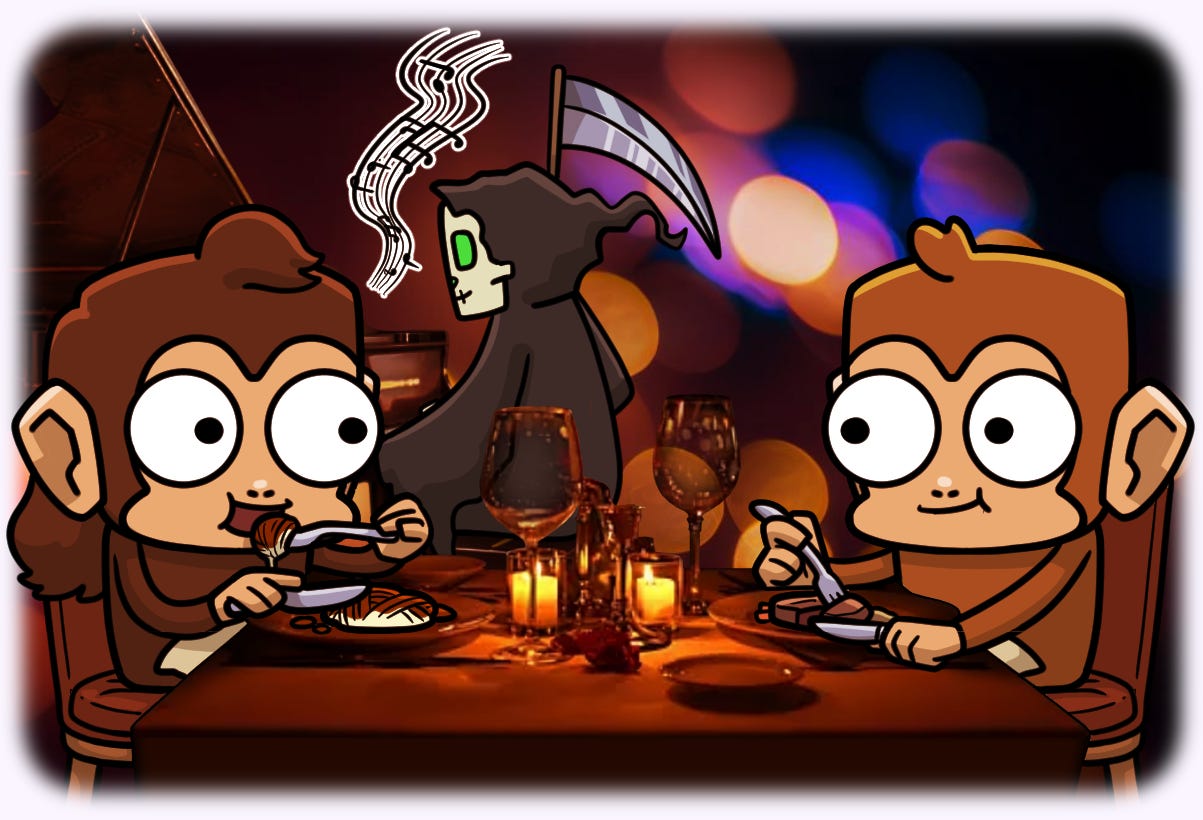
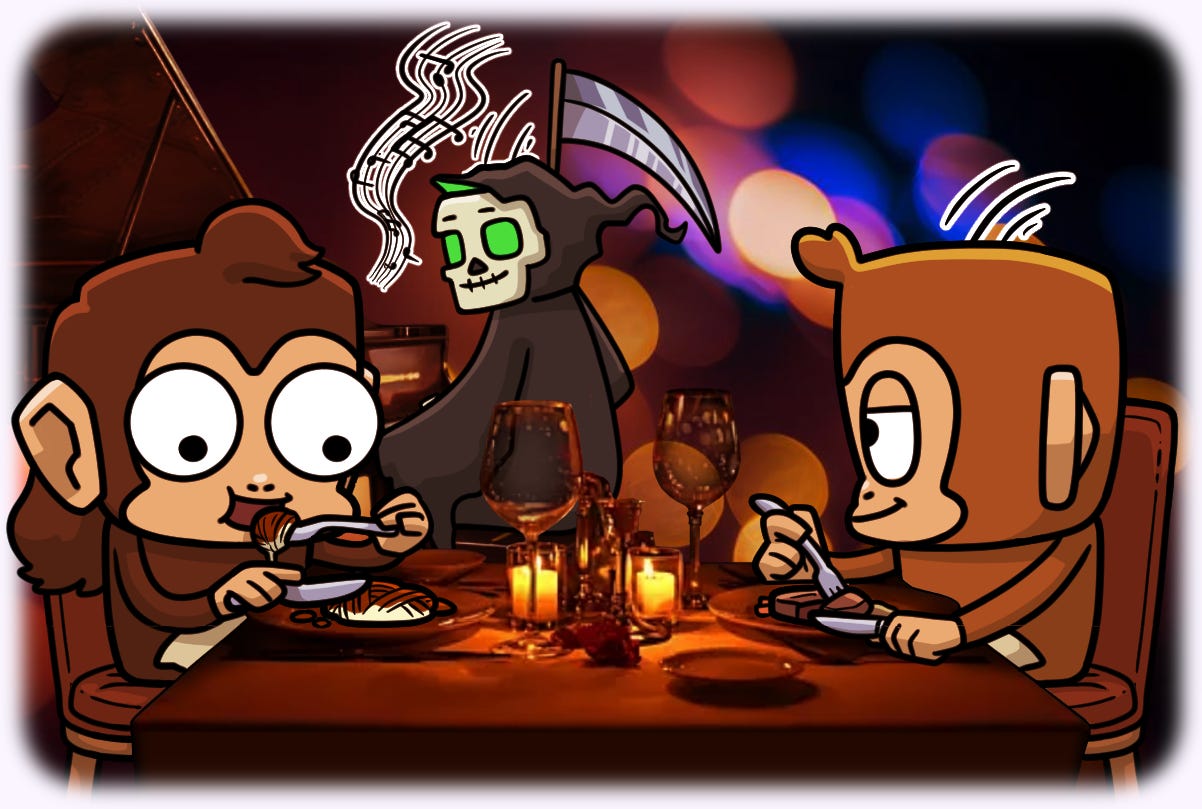
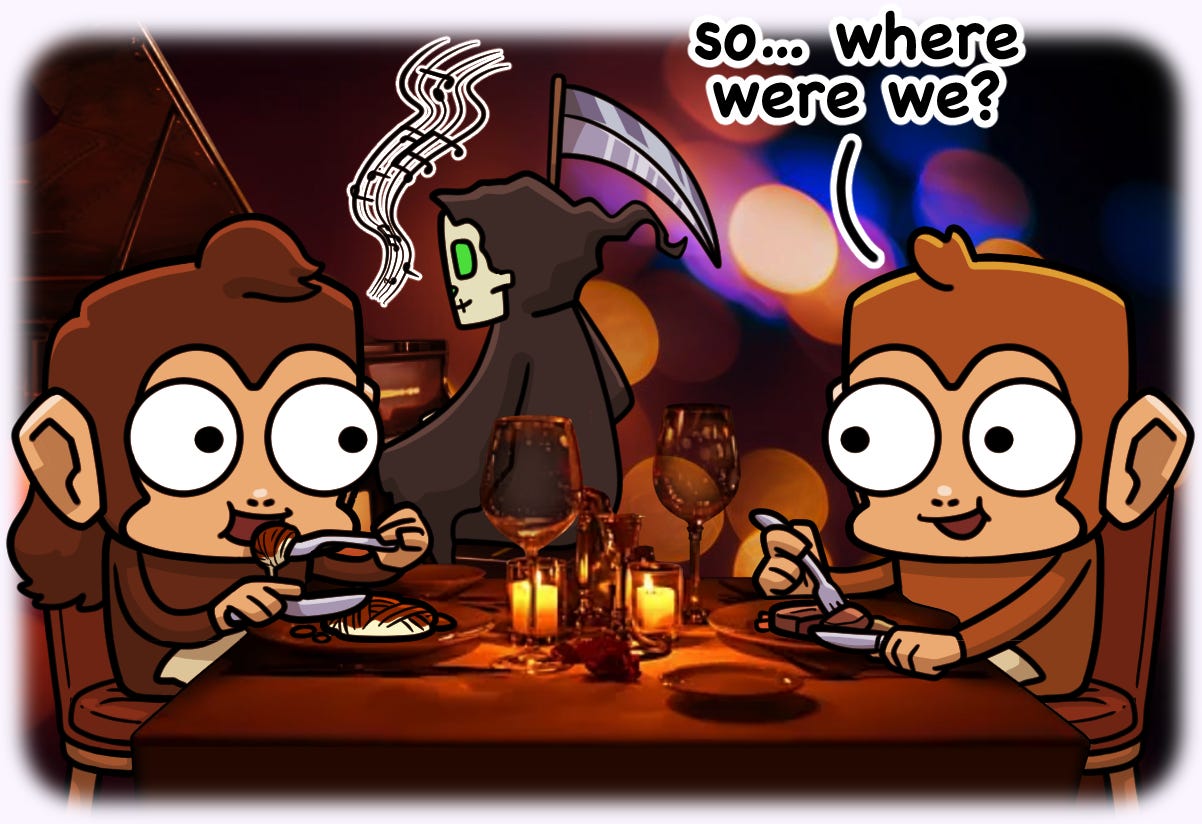
You know when you’re at a restaurant and someone’s playing piano in the corner? Maybe it’s some Vivaldi, maybe it’s jazz, whatever. The music fills the room. You can feel it. But you’re not focused on it. You’re eating dinner, talking to wifey, sipping wine. The music is just... there.
And then she goes quiet for a second. You turn toward the piano. And suddenly you hear it… Really hear it… and it’s beautiful… a little reminder of something bigger. Then you go back to the conversation. The food… the wine… then the piano again.
That’s what I’m proposing with death. Not to stare at it constantly. Not to make it the main course. Just let it play in the background, quietly reminding you that this is temporary, quietly shaping your decisions, your priorities, how you treat people. Death is the piano. Impermanence is the song it plays.
So what does this look like in practice?
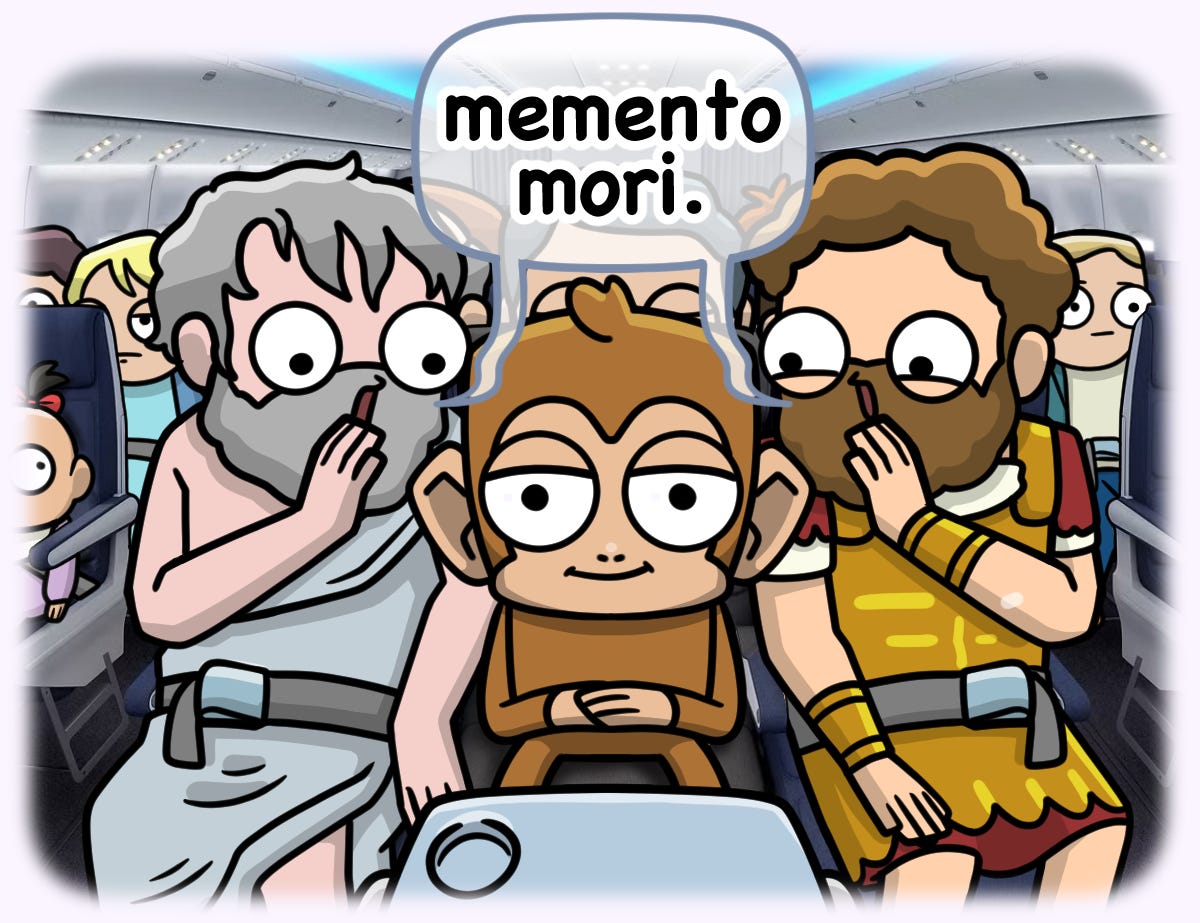
The Stoics had this phrase: memento mori. Latin for “remember you will die.” It’s like the piano reminder.
What Is Memento Mori? (Explained In 5 Minutes)
Romans would literally have slaves whisper this to generals during victory parades. Some kept skulls on their desks. Casual décor to remind them that all of this—the glory, the power, the whatever—was temporary.
I just bought a “Life Calendar” from WaitButWhy (the G(b)OAT — Greatest Blog Of All Time). It’s a poster of 89 years, week by week, visualized as tiny boxes. You fill in one box every week. Way better than scrolling TikTok during... y’know.
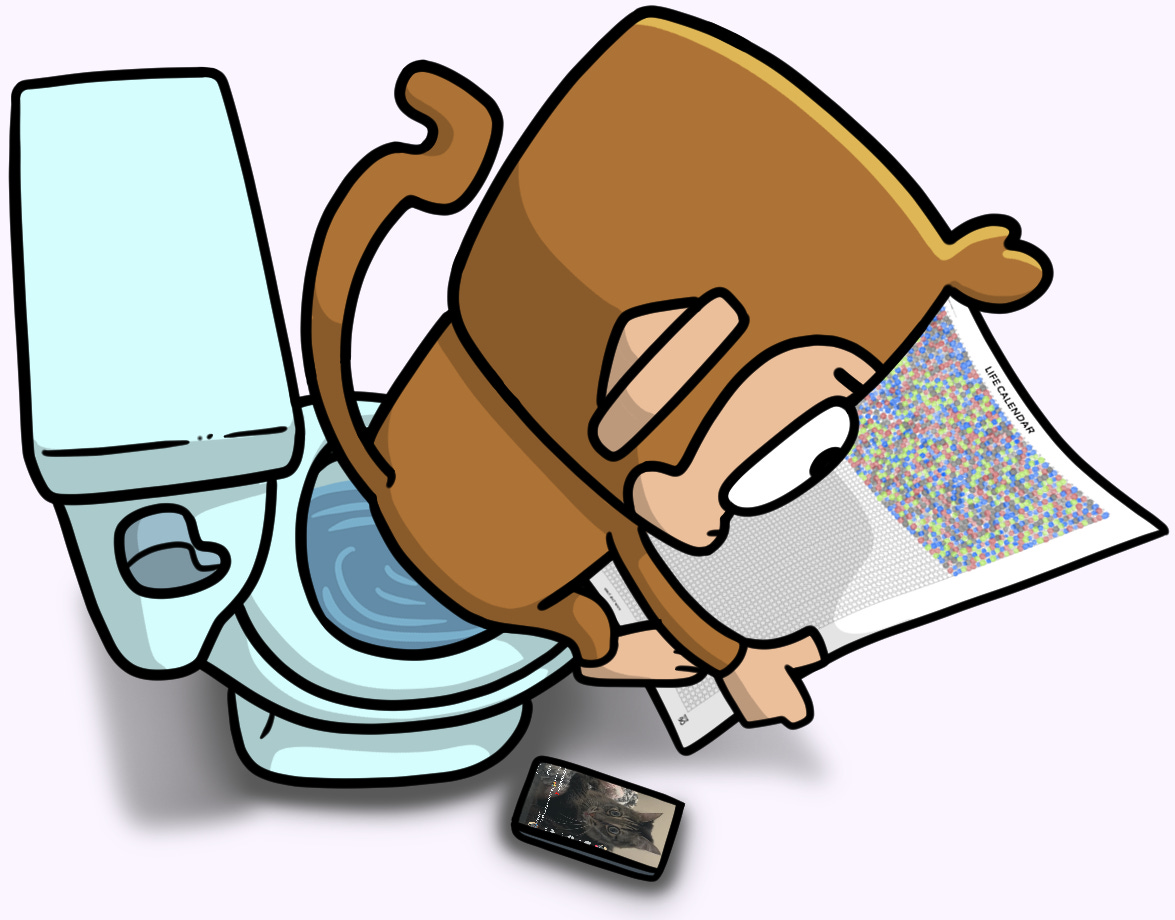
It’s background music that says life is short. A quiet nudge that life is short, that I’m going to die, and given that, what actually matters?
A few other ideas for pulling death into the background of your day-to-day:
A memento mori coin in your pocket or on your desk (The Daily Stoic… no affiliation!)
A single photo of someone who’s died somewhere you’ll see it daily
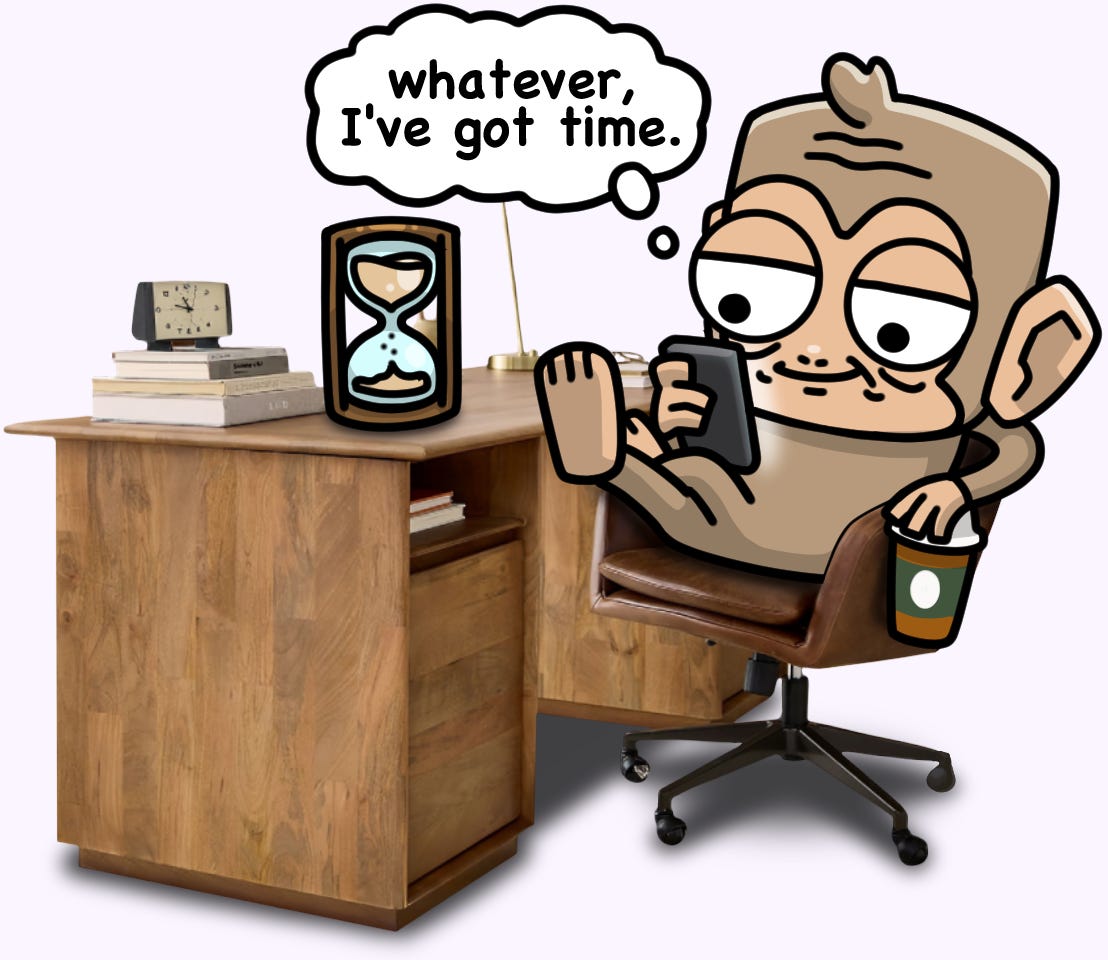
Keep a small hourglass on your desk—not as décor, as a nudge
But let’s go back to the Vivaldi thing for a second.
Remember, it’s not just background music. Sometimes you turn your full attention to the piano. It’s no longer ambient. It’s the whole experience. You’re in the music.
The same goes for death. Most of the time, let it sit in the background. But sometimes you need to face it directly. That’s what the airplane exercise was. Because sometimes we forget the background music entirely. We start living like we have infinite time, and therefore zero urgency.

I want to share a few practical exercises I’ve found helpful. All of them use death as the anchor. All of them are really trying to drop you into the same shift: a felt sense that this is temporary, and therefore worth actually showing up for.
Here’s one question to start with: If I had 5 years left, how would that change how I act today?
Not one day. “Live like it’s your last day” sounds inspiring, but it’s useless. If today were my last day, I’d throw a $5,000 party with everyone I love, take an irresponsible amount of psychedelics, and have zero concern for tomorrow.
Five years is different. Long enough that you’d still want to build things, maintain relationships, and take care of your health. But short enough that you wouldn’t waste time. You wouldn’t stay in a job you hate. You wouldn’t put off the trip. You wouldn’t leave the important things unsaid.
That’s the sweet spot. Not “I’m dying tomorrow” panic. Not “I’ll live forever” denial. Just a realistic sense of limited time.
Spend three minutes in the morning, and actually write down an answer to that question. If I had 5 years left, how would that change how I act today?
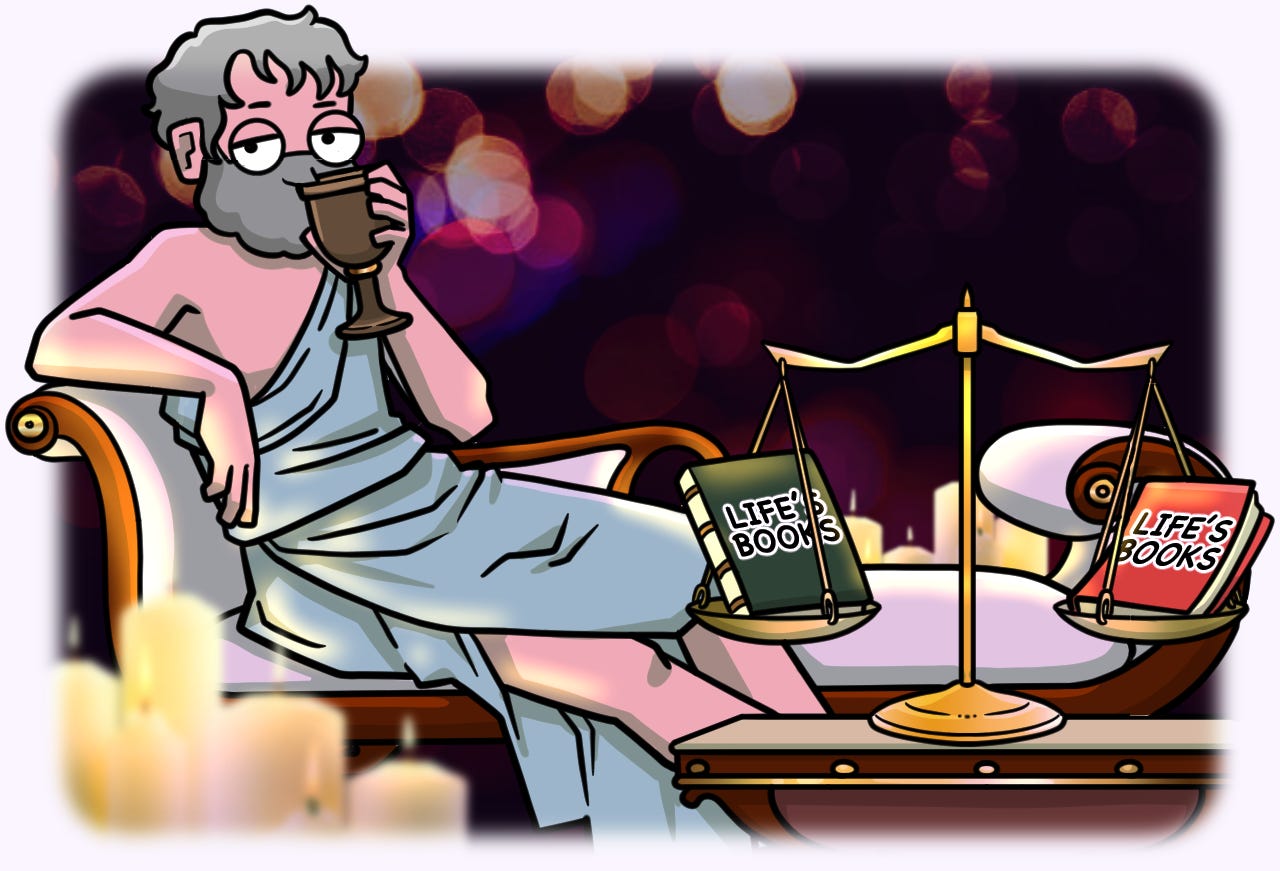
Seneca said, “Let us prepare our minds as if we’d come to the very end of life. Let us postpone nothing. Let us balance life’s books each day.”
A few other exercises I’ve played with:
The Conversation Reframe. Before a conversation—especially with someone you love or someone you’re in conflict with—ask: If this person wasn’t here tomorrow, how would I want this to go? It’s a useful filter for cutting through ego and regret minimization.
The Math. Tim Urban, the WaitButWhy guy, wrote this article called “The Tail End“ that broke my brain. He does the math to figure out how much time we actually have left with the people we love. And it’s like... not a lot. If you see your parents twice a year and they’re in their 60s, you might have 50 visits left. So the exercise is to calculate how many times you’ll realistically see your loved ones again. Let the number sit with you, and give yourself weekly or monthly reminders of it.
The Funeral Visualization. This is basically my airplane thing, but on purpose. Picture your own funeral. Who’s there? What do they say? What do you wish they could say that isn’t true yet? Picture your loved one’s funerals. It sounds dark, but it’s clarifying.
The “Last Time” Frame. At some point, you’ll do everything for the last time. Last time you pick up your kid. Last dinner at your favorite restaurant with your dad. Last time you see your college roommate.
And if you want to go deeper, Buddhists and many ancient spiritual traditions have been practicing formal contemplations of death and impermanence for thousands of years—sitting with the reality of your own mortality as a practice.
Here’s one I turn to sometimes:
Guided Meditation - Death & Impermanence
OK, so if meditating works and all the ancient wisdom traditions have been doing it for thousands of years, why does nobody do it?
The simplest answer, I believe, is that our society is allergic to death.
Ask someone about death, and you’ll probably be met with confusion, a touch of anxiety, and a rare “go f*ck off!”
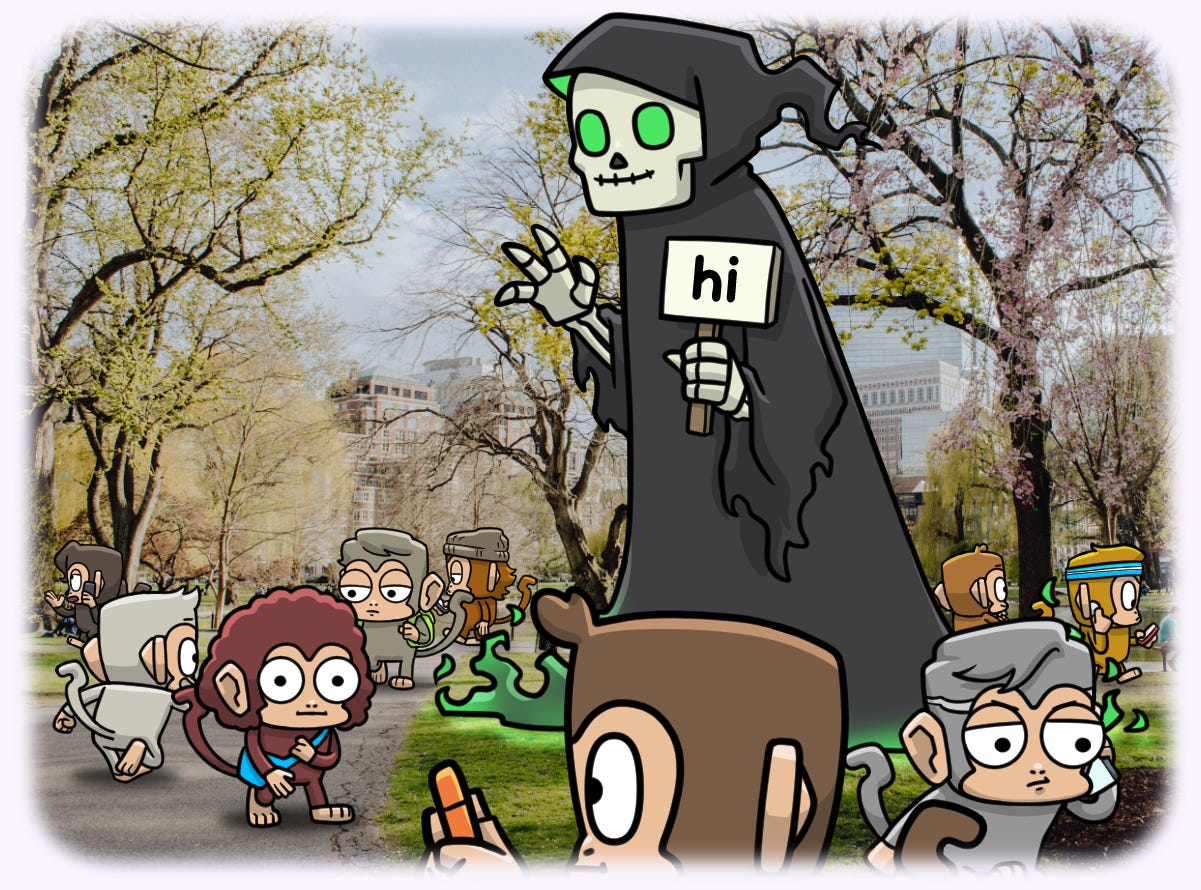
There’s a reason we don’t take death seriously as a culture.
Well, MANY reasons.
To name a few:
It’s uncomfortable. Duh.
It surfaces grief and trauma from people who’ve actually died in your life.
It’s associated with violence, killing, and generally scary stuff we see in horror movies.
And most importantly, IMO: it brings up anxiety about your own death. About not existing.
The idea of not existing… forever… for the rest of history… can create a wee bit of anxiety!
So we do anything to not think about death.
There’s one author, Ernest Becker, who goes even farther in his Pulitzer-winning book The Denial of Death.
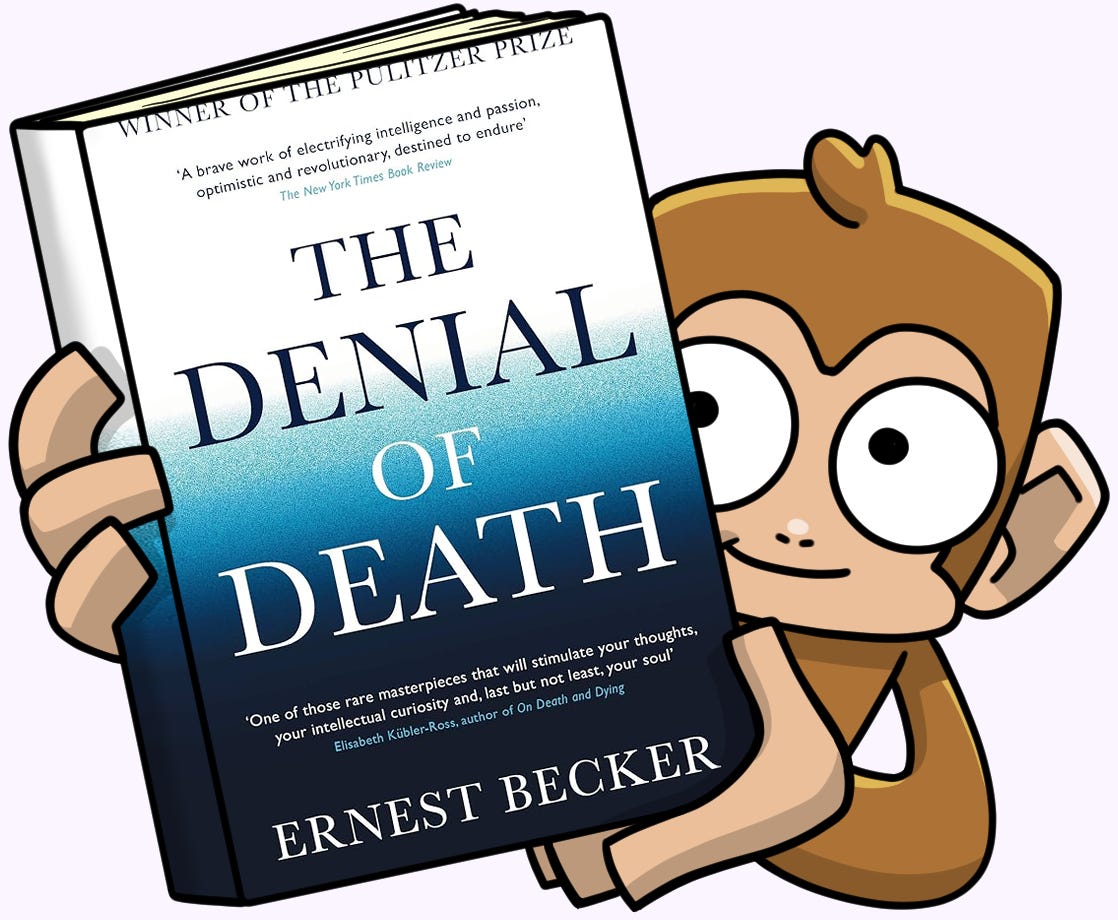
He says we’ve built an entire culture around not dying. That humans are uniquely cursed (we’re animals who know we’re going to die), so we’ve created these “immortality projects”—religion, legacy, fame, children, creative work—all ways of pretending some part of us will live forever.
Which is why, left to our own devices, we don’t get the shift. The shift requires letting death in. Not forever… nobody’s asking you to get a skull tattoo… but enough to crack the denial.
I should be clear: I am not good at this.
I forget constantly. All the time. I write about death, and then three hours later, I’m annoyed that someone took too long to order at the coffee shop. (I watch too much Curb Your Enthusiasm).
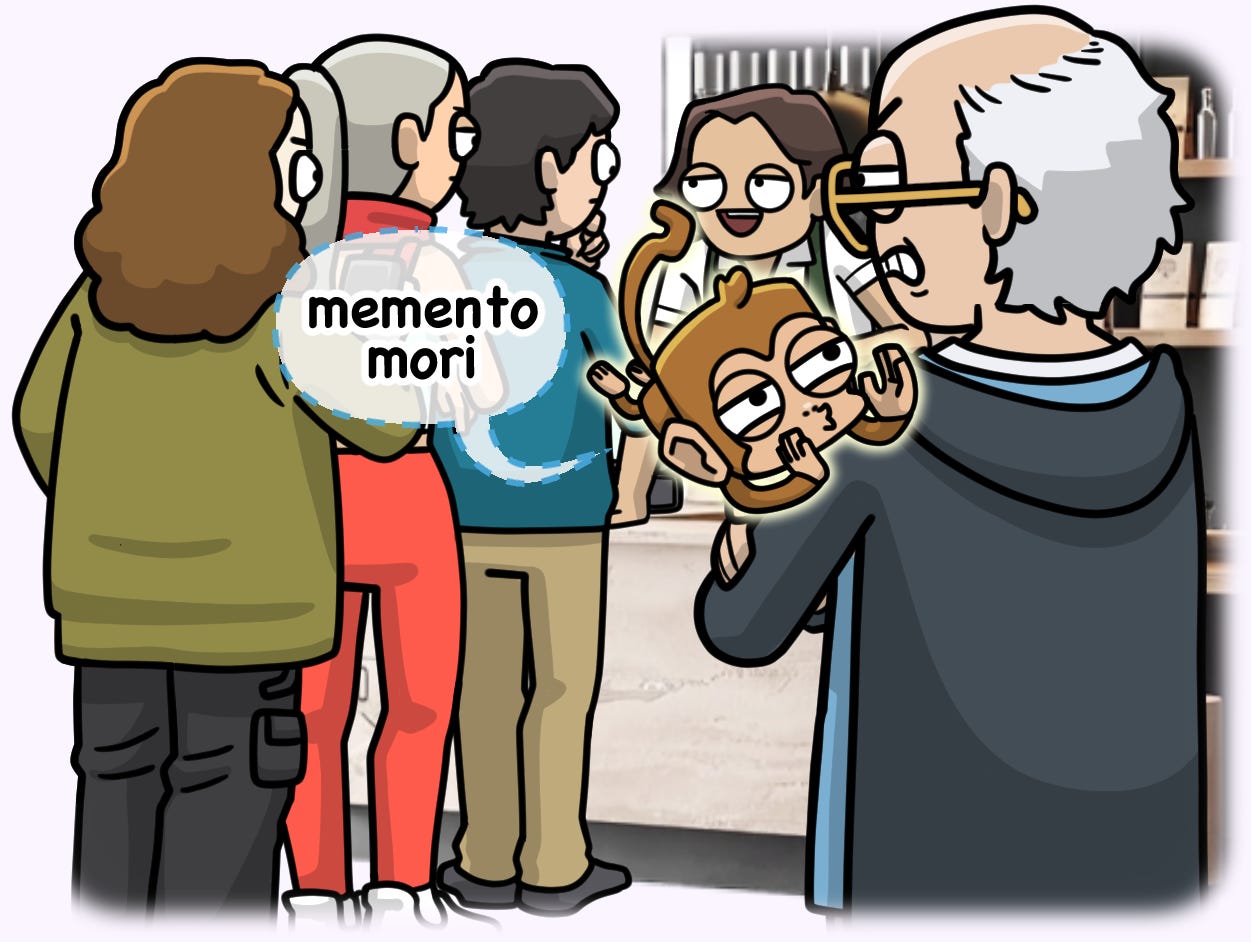
I’m not writing this from some enlightened mountaintop where I’ve transcended pettiness and live each day with perfect presence. I’m writing from the same messy middle as everyone else.
TBH, part of why I’m writing this is to remind myself. To force these ideas back to the surface. Because left to my own devices, I’ll drift right back to forgetting that life is short and armrests matter.
So if you try this stuff and forget immediately, welcome to the club!
One last thing worth saying: the test for whether any of this is working is simple.
Does thinking about death make you more present or less? Does it make you a better person or a worse one?
If contemplating mortality makes you anxious, panicky, or paralyzed, you’re not doing it wrong, exactly. But it might not be the right tool for you right now. The point is to feel more alive, not more afraid.
And if you’re in the middle of grief, or you’ve had a lot of loss recently, or death is already too present in your life, you don’t need some 23-year-old telling you to think about it more. Maybe the opposite advice applies: let yourself forget for a while.
This is really for people who have the luxury of not thinking about death. People like me, who can go weeks without it crossing their mind, drifting on autopilot until turbulence shakes them awake.
The goal isn’t to think about death all the time. That would be exhausting and weird and probably bad for your relationships.
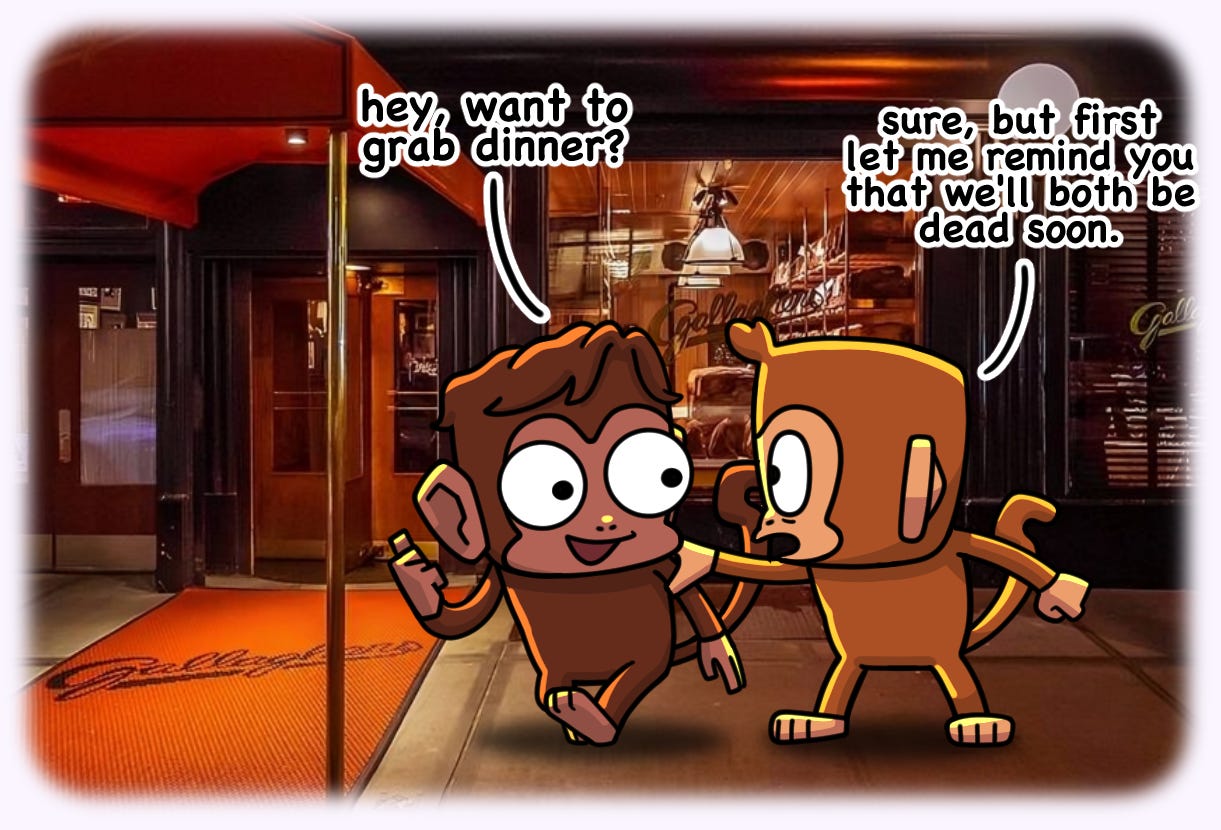
The goal is to let death inform how you live, without letting it dominate. To keep it close enough that impermanence stays felt, and every ordinary Tuesday gets the attention it deserves. That’s what the Stoics offered. A way to use death as a tool.
Remember that you’ll die and let that sharpen how you live.
NOW GO LIVE!
“It’s not that we have a short time to live, but that we waste much of it. Life is long enough, and it’s been given to us in generous measure for accomplishing the greatest things, if the whole of it is well invested. But when life is squandered through soft and careless living, and when it’s spent on no worthwhile pursuit, death finally presses and we realize that the life which we didn’t notice passing has passed away.” — Seneca’s On the Shortness of Life