

“Yesterday I was clever, so I wanted to change the world. Today I am wise, so I am changing myself.” — Rumi.
“As little as possible. Great men of history didn’t sit around doing this stuff.”
That’s what Marc Andreessen said when David Senra asked, on his podcast, how much introspection he practiced in his life.
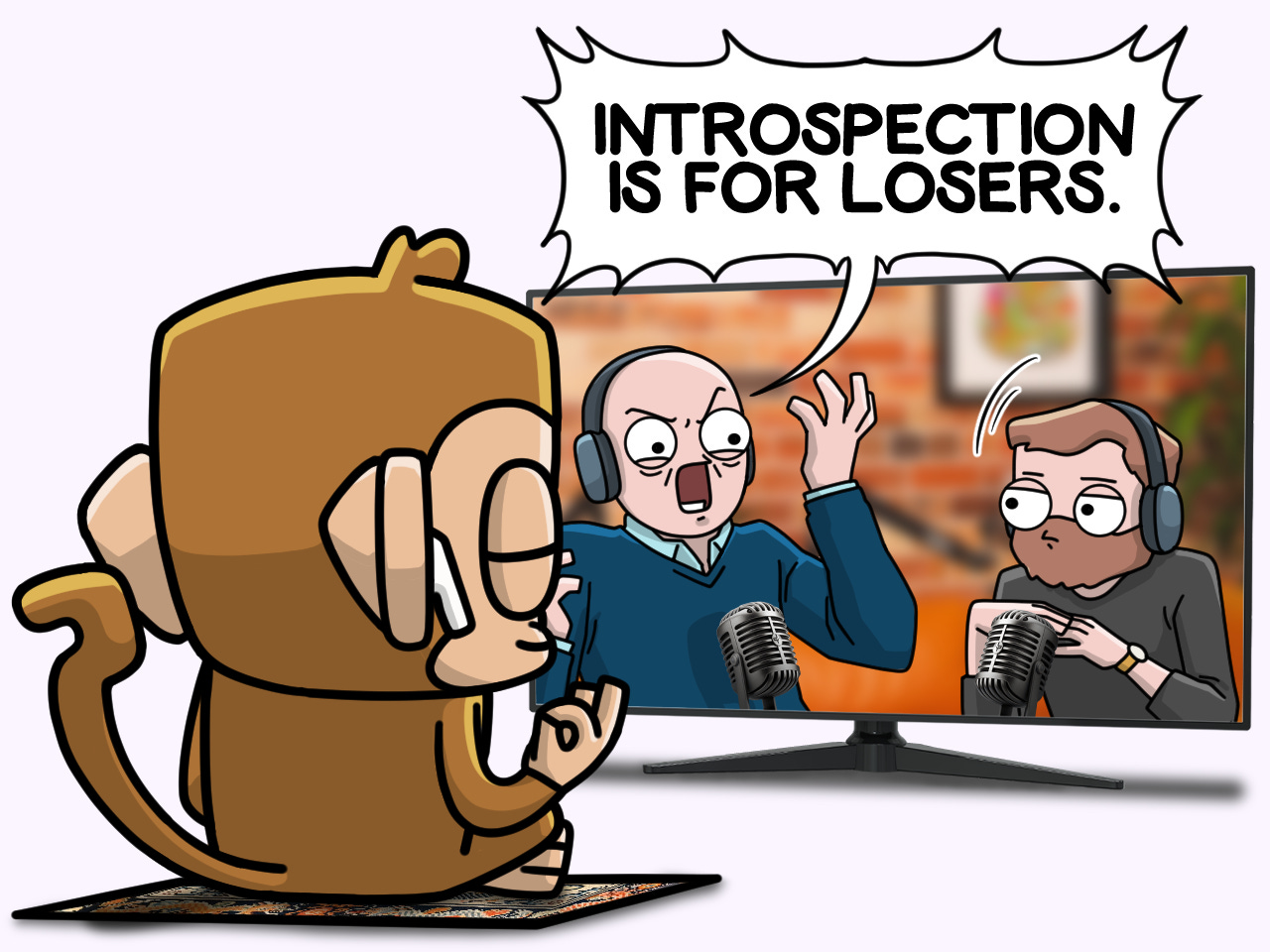
The internet exploded, because a billionaire funding the most important technologies of our time announcing that he doesn’t look inward is not, itself, a very introspective thing to do.
Now, the whole fight started with a word nobody bothered to define.
Marc says, “I found people who dwell in the past get stuck in the past.”
Dwelling in the past isn’t introspection. It’s rumination. And on that, Marc is right. Rumination can eat months of a person’s life
So strip the clip down, and he’s basically giving ambitious people two notes. Don’t get stuck in your own head. Go build things.
Fine.
Nobody ever changed the world by twiddling their thumbs (which, full disclosure, is roughly what I’m doing right now).
It’s the part he leaves out that’s the major problem, namely, that what you create in this world comes out of you.
Everything humans make is a thought, a feeling, an emotion first, and then it gets externalized into the world. The things you think are important, the problems that nag at you, the itch to build one thing instead of another all come from our psychology, which is itself a hand-me-down of your priors, conditioning, and physiological state.
Put simply, the outside world is the inside world, turned inside out (also: the inside world is the outside world turned outside-in… but we’ll leave that for another time).
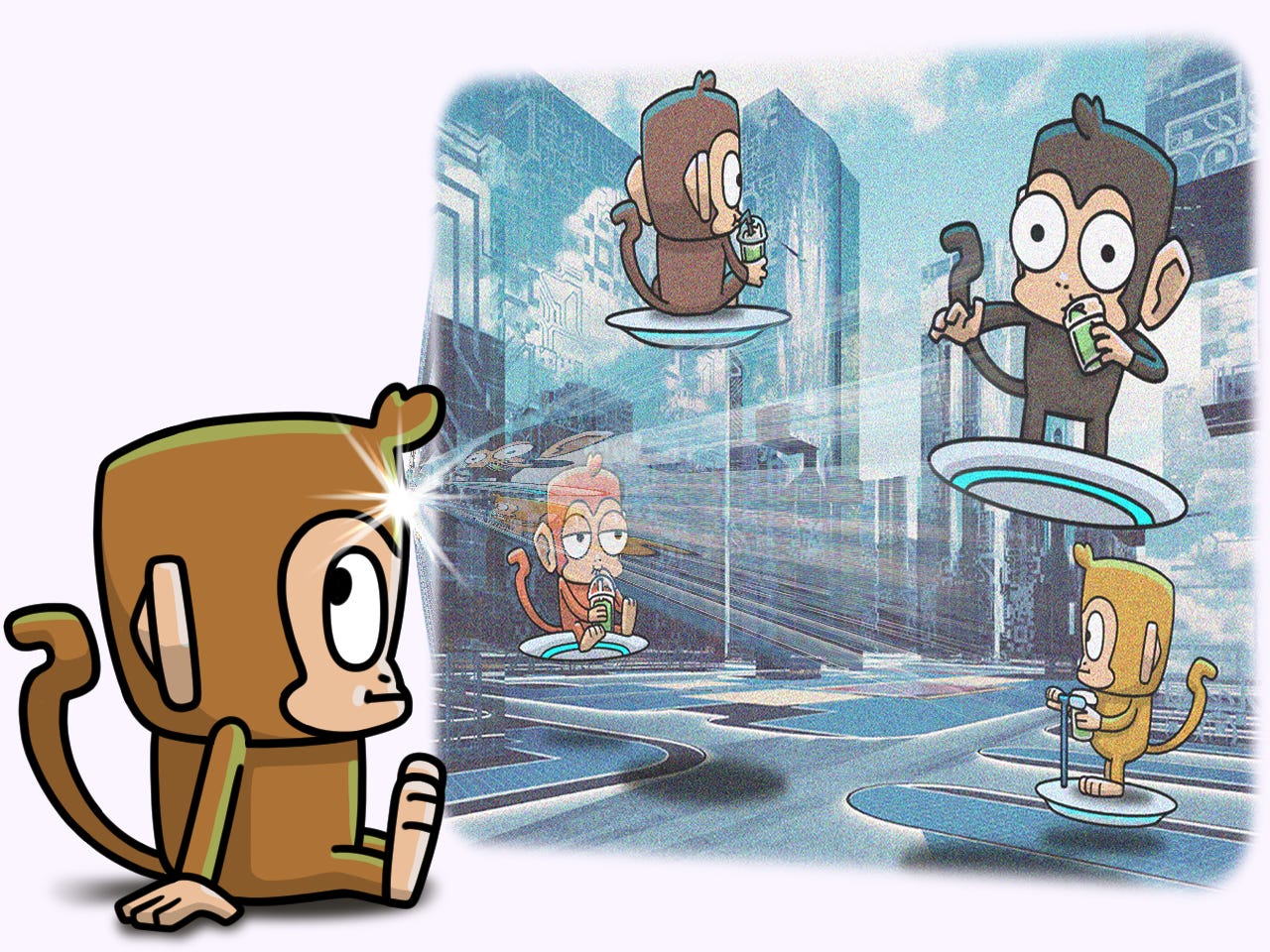
Which means “just build, don’t look inward” was never actually an option. You’re going to build from the inside either way. The only question is whether you looked at what was in there first or shipped it blind.
And we’re not talking about shipping an oat latte, which I do mediocrely. We’re talking about shipping the most powerful technologies in human history (quite literally, in Marc’s case, as one of the biggest investors in SpaceX and OpenAI).
That’s the part I want to get stupidly curious about.
When you ship something into the world, you’re shipping many parts of your internal world at the same time. And most people have probably examined none of the three.
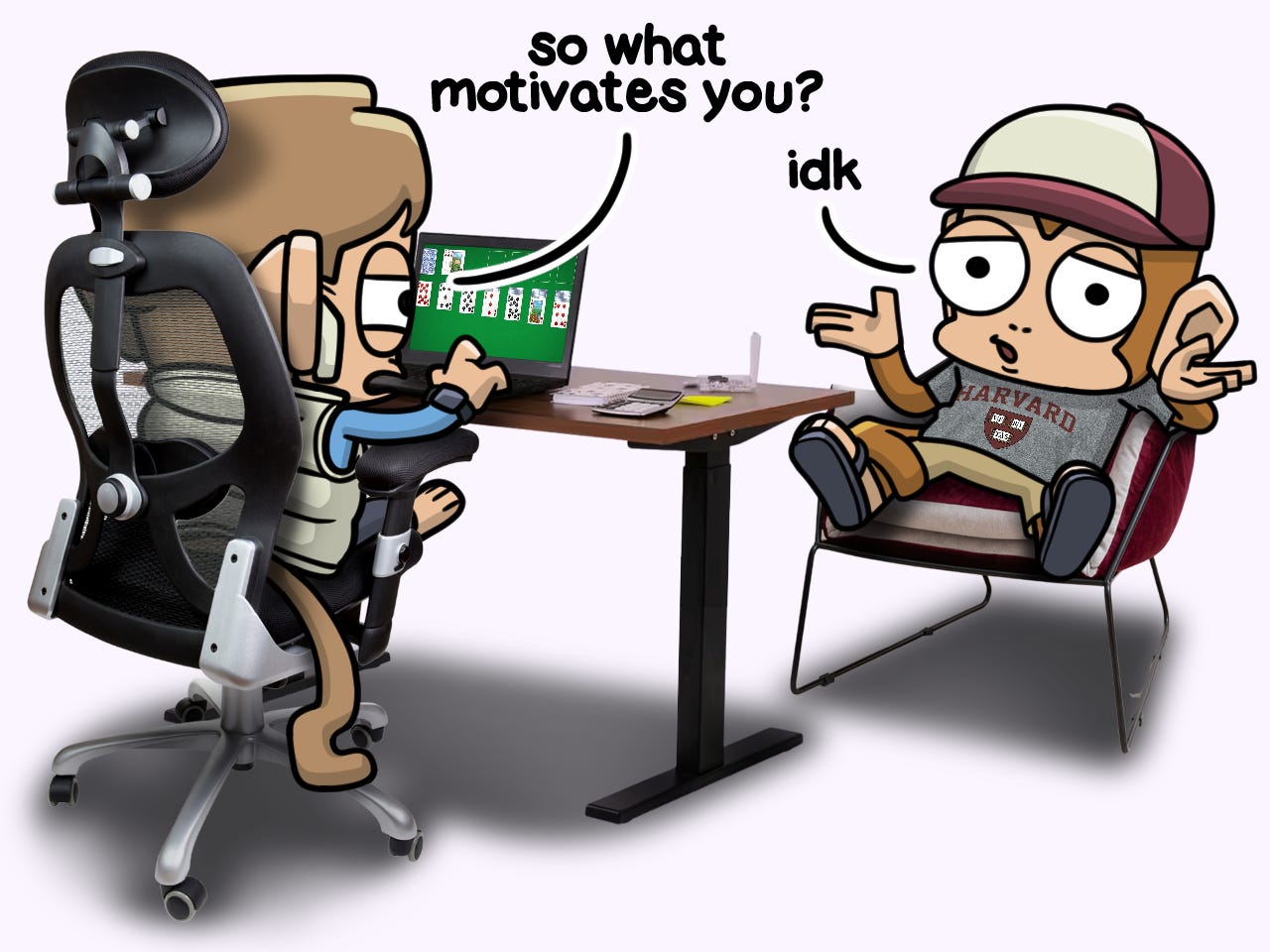
The first thing you ship is your “why”, which you almost certainly don’t understand.
A great philosopher, speaking to a group of powerful technologists, noted,
“But all this gets down to the basic question is, really, ‘What are you going to do if you’re God?’ If, in other words, you find yourself in charge of the world through technological powers… Then, simply: what do you want to do with it? But most people don’t know what they want, and have never even seriously confronted the question of what they want…”
Guess what?
That was Alan Watts presenting to a group of IBM employees in 1969! Almost 60 years ago!
Most people, if you stop them and ask what drives them, come up empty. I know this because I started asking many ambitious people why they do what they do! I once asked a founder worth 9 figures how he knows when enough money is enough.
This dude looked at me for a second and said, “I don’t know. I haven’t really thought about that.”



Now I’d love to tell you I’m the exception. I’m not. About three years ago, when I was 21, I was talking with a mentor, and she asked me what I really wanted.
What was I prioritizing underneath, and where did it come from? And I realized, a little embarrassingly, that I had absolutely no f*cking clue.
So that’s the first thing we ship blind. Our own motor, and we’ve never popped the hood.
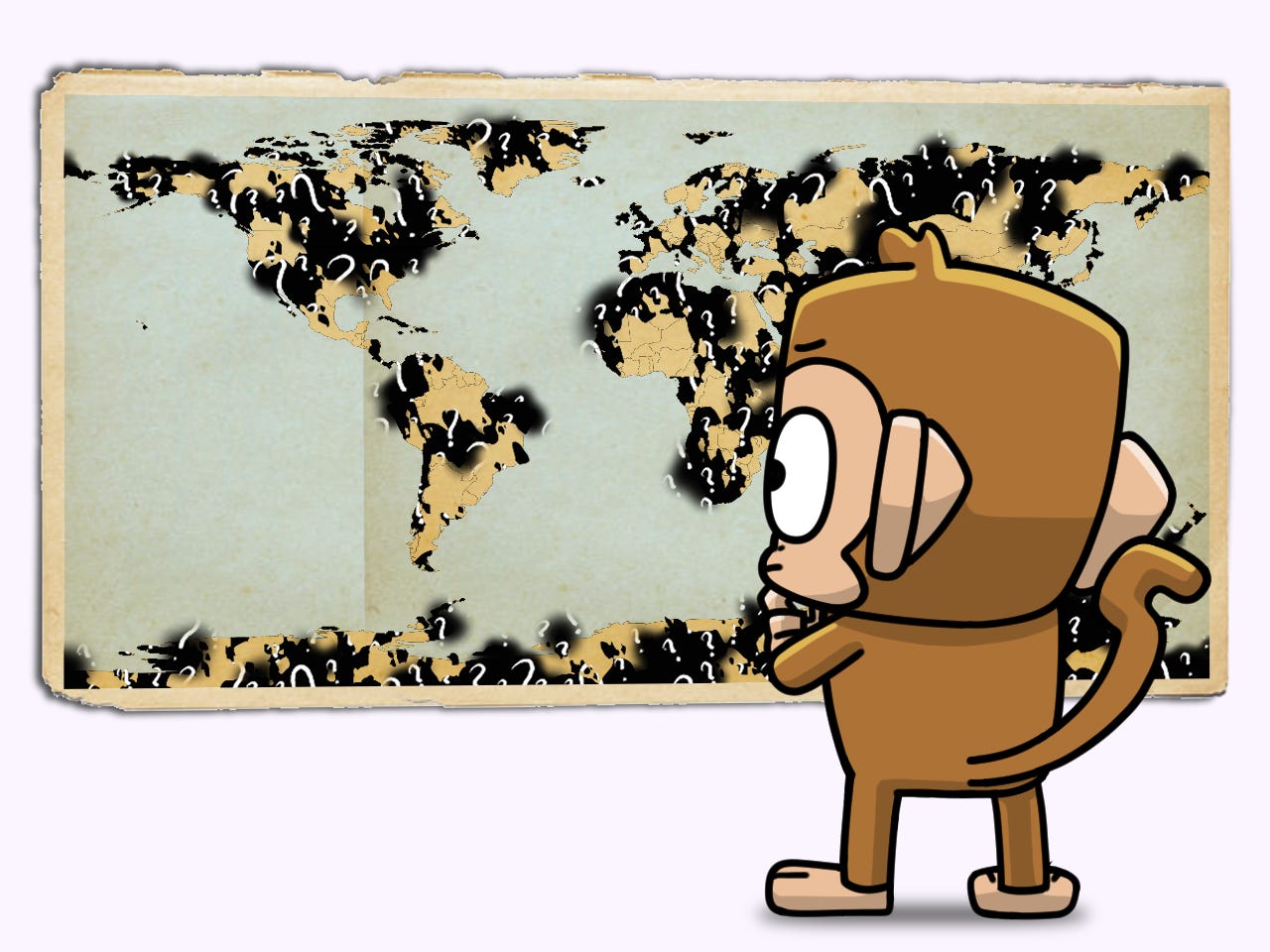
The second thing you ship is your map of the world, which is incomplete.
Every one of us walks around with a map of reality in our head. We use it for everything: what’s worth wanting, what counts as a problem, what’s worth building. Every action we take is rooted in some idea we have about the world. For instance, we may think there is not enough architectural beauty in big cities anymore, so we begin designing novel types of skyscrapers.
So we have these ideas about the world.
And the cruel trick of being a person is that your map always feels like the whole territory (creds Alfred Korzybski for this one).
Our map never feels partial. It feels like plain reality, capital-R, which is exactly why you’ll bet a company, or a life, on it.
But every map is incomplete. EVERYYYY MAP IS INCOMPLETE. Yours, mine, all of them.
I don’t care if you’re Elon, Buddha, or Taylor Swift; you are working from a rough sketch of a world that is unfathomably bigger than anything you’ve seen. Anyone who’s had a certain kind of experience—a deep meditation, a psychedelic, a brush with death—inevitably comes back saying some version of the same thing: “oh, uhhhh, so the thing I was calling ‘reality’ was really a keyhole”.
“We don’t see things as they are, we see them as we are.” — Anaïs Nin.


The third thing you ship is your ego.
Ego = fuel = ambition… usually
Even with a clear motivation and an honest map, there’s still the question of what is fueling the whole thing, and for most of us, most of the time, I think the answer is some mishmash of internal desires (creativity, insecurity, fear, anxiety, unease, etc).
This is our base setting… It’s written into our DNA. But it means the thing you build isn’t just solving the problem in front of you; it’s oftentimes also trying to solve something in you, the need to prove something, to matter, etc.
Three things, shipped at once. A motive you’ve never examined, a map you’ve mistaken for the world, and an ego running the engine. Now hand that person a billion dollars and see what happens.

Actually, I’ll just tell you what happens:
Four years ago, a very powerful man went on a Gary Vee podcast and told the world that the metaverse was the next frontier in social connection. He renamed his company around it, burned 80 BILLION DOLLARS trying to develop it, and promised a digital room where we’d all hang out together, forever, as legless cartoon avatars.
This person’s name rhymes with Snark Luckerberg.
I want you to truly sit with how specific and scary that vision is. Of all the directions “human connection” could go, he reached for the one where our bodies stay home, strapped into VR goggles. I can’t diagnose a man I’ve never met, and I won’t pretend to. But a vision that particular, and that off, doesn’t come from nowhere… it comes from an inner world, the way every vision does.
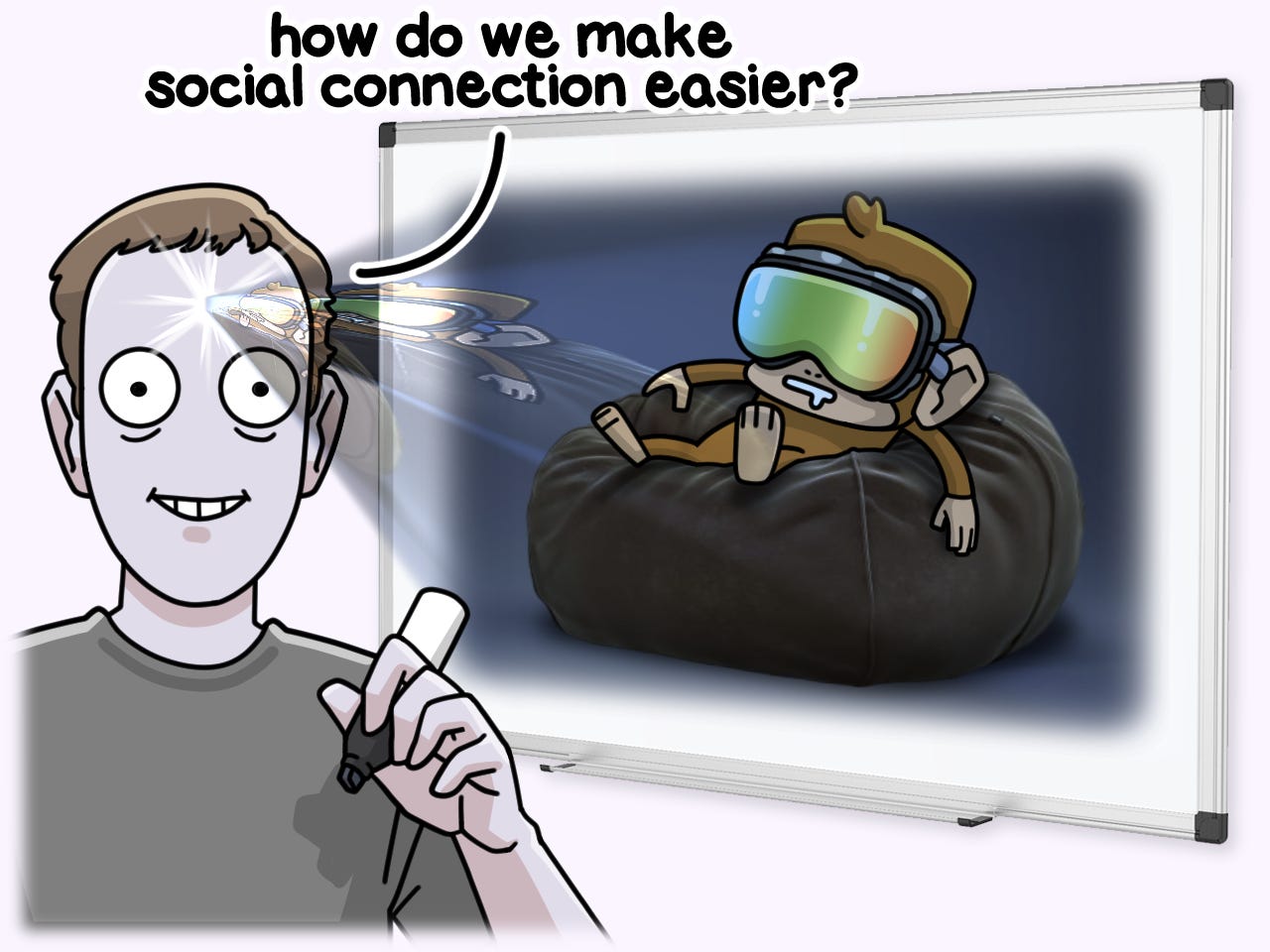
Zuck isn’t a villain. I don’t believe society’s biggest problems are created by cartoonish villains twirling mustaches.

I believe they’re built by regular, unexamined people who are given enormous leverage, and ship the exact contents of their inner worlds straight into the structures the rest of us have to live inside.
We didn’t build hell on earth (yes, that’s what “this” is… and yes, I’m still an optimist) out of malice. We built it out of not looking.
Jung said it more cleanly than anyone: “until you make the unconscious conscious, it will direct your life, and you will call it fate.”
The builder’s version is worse. Until you make the unconscious conscious, it won’t just direct your life; it’ll direct everyone’s, and you’ll call it strategy.
So what the heck do we do about this?
Because there’s nothing more insufferable than an internet writer laying out a problem and then offering no solution (see: internet writers).
First, let me kill the lazy version of my own argument before someone smarter than me does it in the comments. The answer is not “just be more introspective.” You can look inward, learn all your patterns, name every wound, and use the whole haul to get better at being exactly who you already were (see: spiritual narcissism).
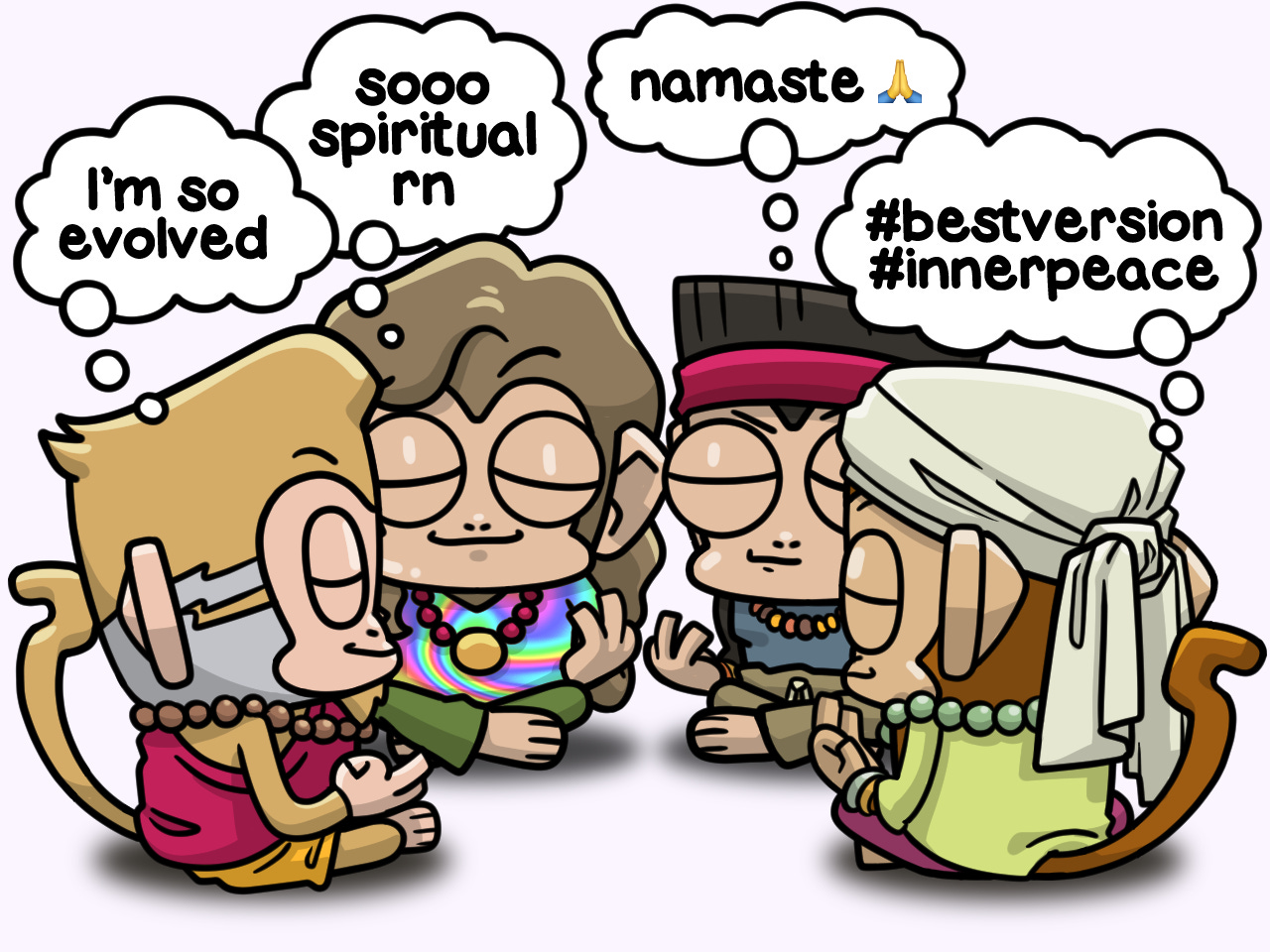
“The first principle is that you must not fool yourself, and you are the easiest person to fool.” — Richard Feynman.
I don’t have the expertise nor time to tell you exactly how to introspect correctly. There are people with far more degrees and years lived for that.
In my experience, though, some general principles and frameworks provide a foundation for what this should look like.
One: know why you’re doing what you’re doing.
Most of us have no idea why we’re doing what we’re doing. Step one is just getting honest about what’s actually going on. Why am I doing what I’m doing? Do I enjoy what I’m doing? What’s my north star?
That usually takes more than journaling in the park (see: me).
We must understand our own machinery before we run it, which, yes, also sounds like a sex-ed tagline.

Two: hold your map of reality loosely.
You can read every book ever written on human connection and still land on goggles. In the 1840s, doctors would go straight from dissecting corpses to delivering babies without washing their hands, and women died at staggering rates.
We have to admit, permanently, that the map of reality in our heads is just a sketch. We have to go looking for the parts of the reality we drew wrong. And the more power you have, the more aggressively you try to understand your own blind spots, because they aren’t just yours anymore; they’re everybody downstream’s.
Marcus Aurelius, running the entire Roman Empire, opened his journal with a list of the people who’d taught him where he was wrong.

And as a reminder, you do this WHILE you are building ambitiously. You don’t need to quit your job and do ayahuasca in the jungle (actually, some of you definitely quit your job and do ayahuasca in the jungle).
Three: clean your fuel.
Ambition = fuel. Ego—status, money, leverage, power—is high-octane fuel. It might get you up the mountain fast, but it doesn’t help others in the long term.
Clean fuel is the opposite. Ambition to serve others.
This might sound obvious (it is), so the real question becomes: how do I make my entire motivation about serving others? I’ll be honest with you: mostly outside the scope of one essay. Genuinely coming at the world from a heart that wants to serve, not the version you say at a dinner party (“I want to change the worlddd *cough cough* pass the $120 sauvy blanc”), is a long process of waking up and cleaning up that I’m nowhere near done with myself.
It’s also where a real spiritual practice stops being optional, because you don’t reason your way into a clean heart; you have to do the slower work of loosening the ego’s grip. Nobody develops that from reading one Gen Z-er’s Substack.
(Ken Wilber’s Integral Spirituality is where much of my thinking has been coming from lately).
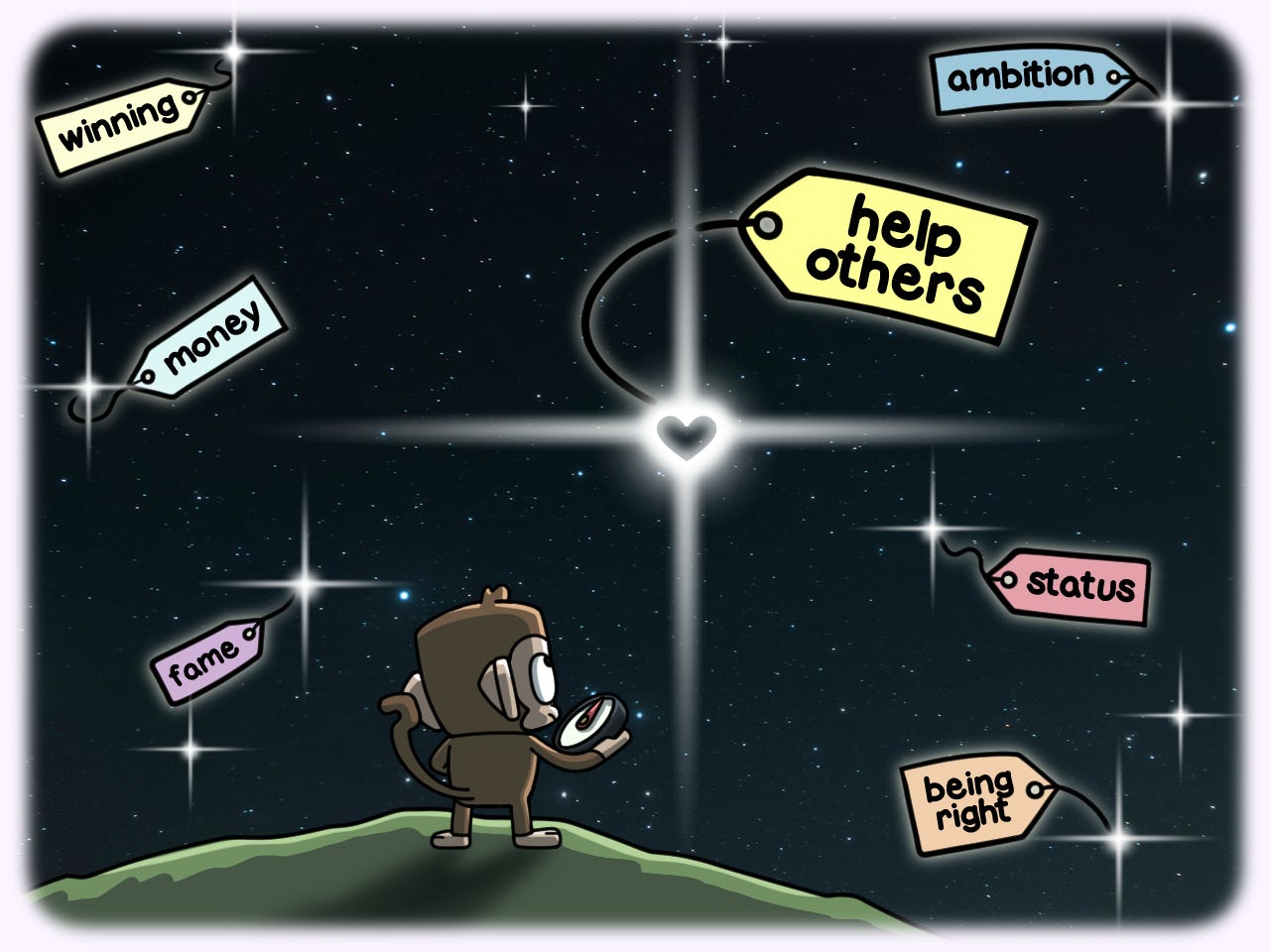
So that’s introspective ambition. Not less drive. Same fire, but you’ve actually checked three things before you pour your life into the flames: your why, your map, your fuel.
This approach is worth doing. But when you look around, most people are not doing “the work” (shoutout to another legend, Byron Katie).
Part of the answer, I believe, is that it can be scary as hell to look inside. Freud talked about this a lot… basically, introspection threatens to surface material we buried for a reason. The fear of looking inward is really the ego correctly sensing that if it looks, the original unbearable feeling of impulses and memories comes back up with it.
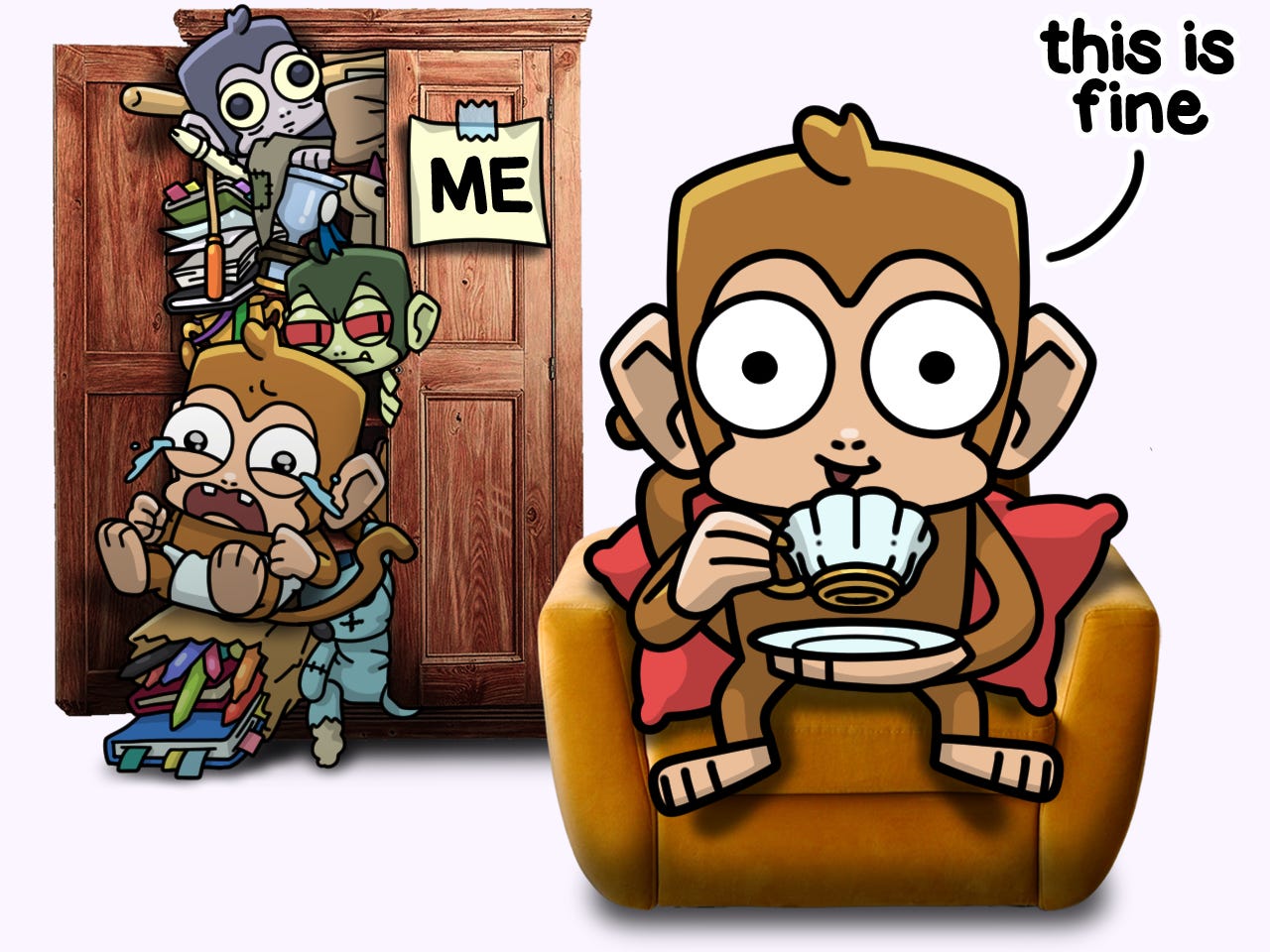
To the ambitious, type-A readers, I know what you might be thinking right now.
“OKAYYY, we get it. Do the inner work. But what about the people who skipped all this and built incredible things anyway? What about Steve Jobs? Elon?”
Sure.
But this is a category error in logic. For example, it’s like saying, “Look at the guy who smoked two packs a day and lived until 100 years old. You don’t need to eat clean to live a long life!”
“This person skipped the inner work and built great things for the world” is not evidence you should skip the work.
Marc Andreessen, to his credit, saw the sort of pushback I’ve outlined here coming and went even further in a tweetstorm. He posted a long teardown of introspection built on Adler, the gist being that your feelings aren’t honest signals → they’re tools you manufacture to serve a goal you set as a kid → digging around in them is just elaborate avoidance.
This argument eats itself, though.
Because if the goal running your whole life was installed in childhood and now operates below your awareness, then that goal is the single most important thing you could examine, and examining it is the exact thing he’s telling you not to do.


All of this has always been true. People have been shipping their unexamined insides into the world since the first king built the first iron throne (any GoT/HoTD fans here??).
But what has changed is the speed and the scale, and this type of work matters now more than ever.
Because of this little thing that rhymes with snarkifficial lintelligence.
AI.
It’s not just that AI is changing the world. It’s that the technology is changing faster and faster, and we are not. A model’s capability roughly doubles on a timeline measured in months. Human psychological development, the slow grind of growing up and cleaning up and actually integrating the stuff underneath, moves on a timeline measured in decades, if it moves at all.
E.O. Wilson, the Harvard biologist who spent his whole life arguing our wiring is ancient, put it best: we have paleolithic emotions, medieval institutions, and godlike technology.
Sounds like Hogwarts!
And the scary part is that he said that before ChatGPT existed!

Think about what AI actually is. A system like Claude or GPT is trained on the externalized interior of billions of human beings, i.e., every thought, bias, and blind spot we’ve ever written down. Then it gets shaped by a much smaller group of people deciding what it should value and how it should behave.
To be clear, I’m not saying the models are doomed because people are flawed. Honestly, they’re kind of remarkable, often kinder and more patient than most of us :)
The worry is that this is the most powerful thing we’ve ever built, a small number of human interiors are shaping it, and billions of people are going to talk to it at 1 AM, in the exact moments they’d never open up to another person. When the thing you’re shipping is that powerful and that intimate, “did the people building it do their own inner work?” stops being a soft question and becomes absolutely required.
Godlike technology, shaped by people who’d BETTER have looked at their own insides.

One honest note before we wrap things up. I’ve spent this whole essay telling ambitious people to look inward before they build. And I’m a guy who sold his company at 22 and has spent the last year looking inward instead of building the next thing. So there’s a version of this where I’m a prophet, and another where I’ve written 3,000 very sophisticated words to justify not shipping anything.
Which is maybe the most introspective thing I could admit. Or the most elaborate stall ever…
But I still think the broader point remains.
It was never introspection vs. ambition. It was introspective ambition. It’s introspection so that the ambition means something.
Keeping one eye turned inward while you build. No ruminating, not doomscrolling your own childhood, not booking a therapy session somewhere in the metaverse. Just looking, honestly, at what you’re about to ship, and doing the slow work of making it something you’d actually want to hand to the world.
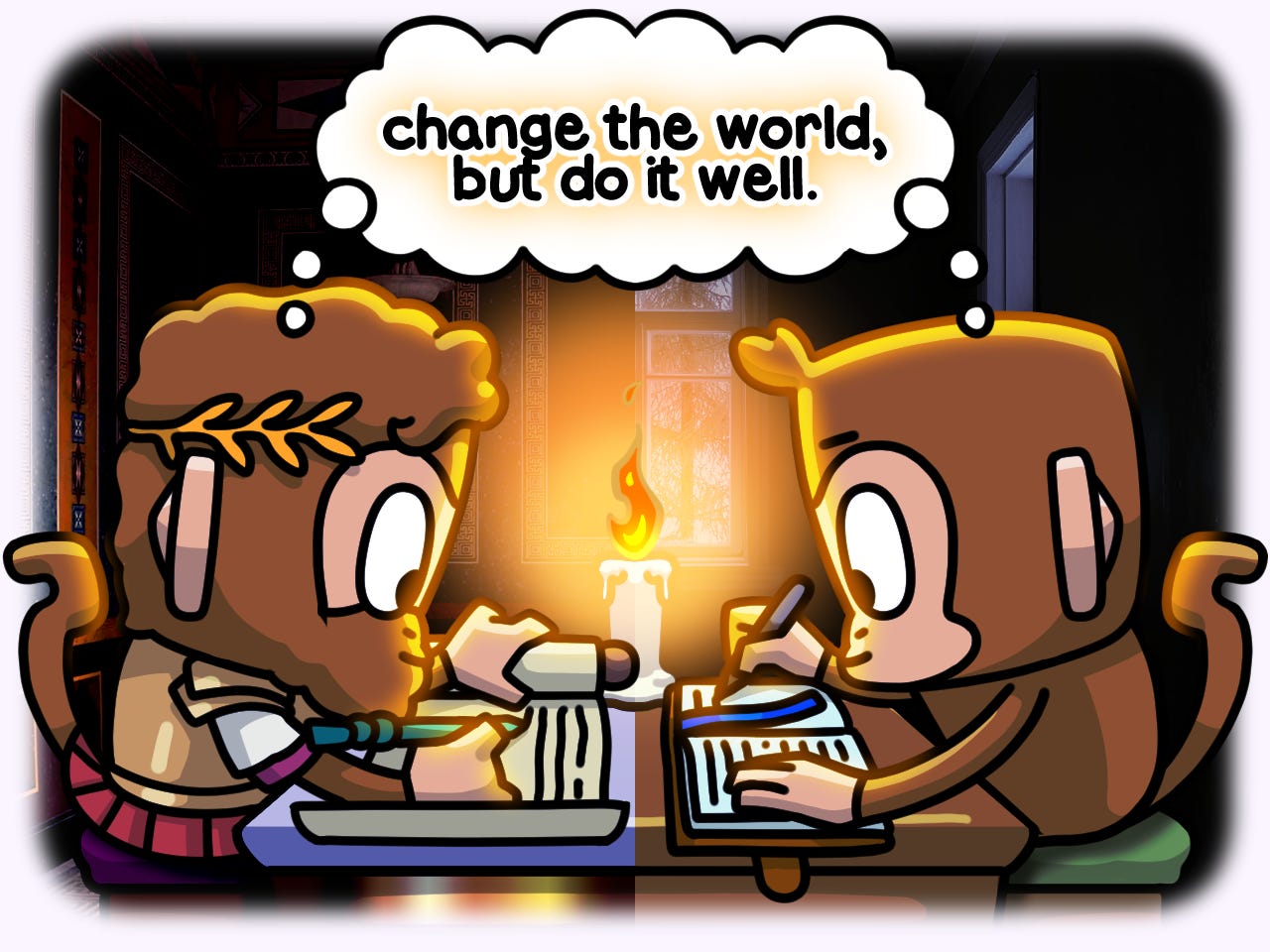
This is exactly what Marcus Aurelius was doing. The single most powerful man in the ancient world, running an empire by day and writing to himself at night like a yogi on ketamine about his own flaws, his own death, all the things he was still getting wrong.
Now that’s a GREAT MAN OF HISTORY!
“Are you polluting the world or cleaning up the mess? You are responsible for your inner space; nobody else is, just as you are responsible for the planet. As within, so without: If humans clear inner pollution, then they will also cease to create outer pollution.” — Eckhart Tolle
Never thought I'd get an Aegon the Conqueror x Marc Andreesen comp in a Substack essay, but here we are...
Anyway as someone who does celebrate introspection alongside a healthy bias for action, I relate to this big time. We see power corrupt time and time again, and control over the most potent AI models are their own Iron Throne. Just gotta wonder if there's any intention whatsoever when Zuck flips on a dime in building the Metaverse -> dropping $80m on AI researchers.
You should read the Vulture piece "The Feed is Fake" if you haven't already. Great connective tissue between intro/outro that speaks so much to our modern culture.